





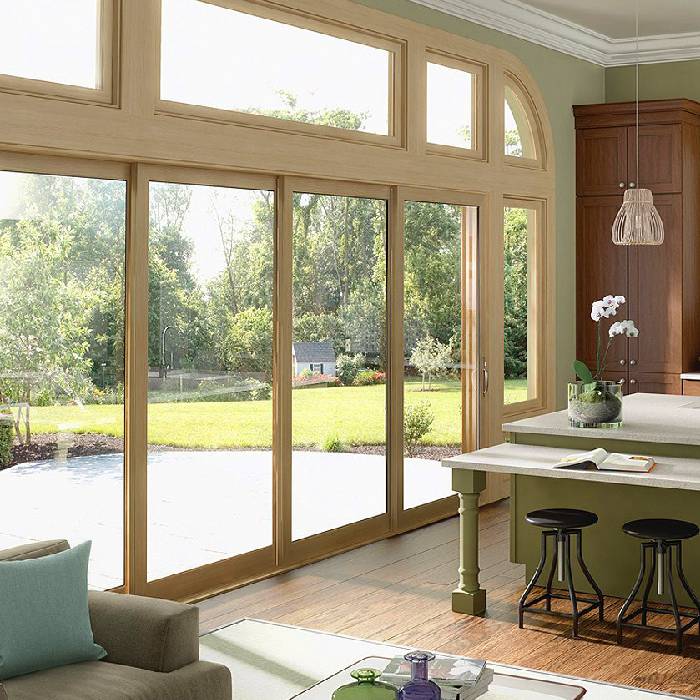


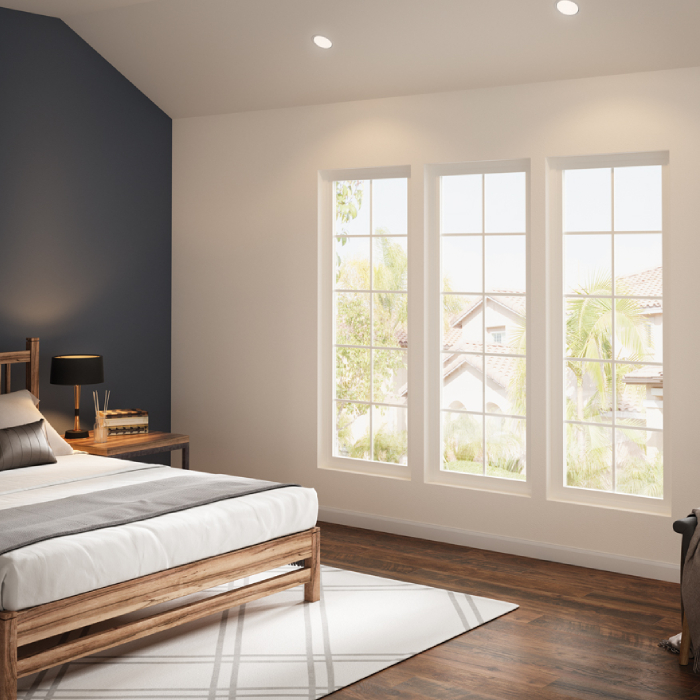

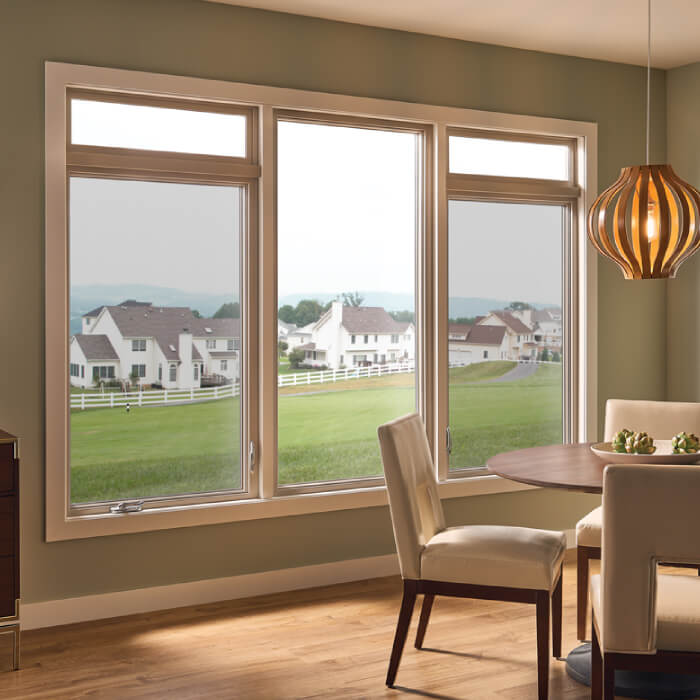
Title 24 is California's Building Energy Efficiency Standards, a state-mandated code that sets minimum energy performance requirements for residential and commercial buildings, including replacement windows. Administered by the California Energy Commission (CEC), Title 24 Part 6 specifically governs energy-related construction, requiring replacement windows to meet defined U-factor and Solar Heat Gain Coefficient (SHGC) thresholds before installation is approved.
Why Title 24 Window Requirements Matter

California adopted Title 24 in 1978 to reduce statewide energy consumption in buildings. As of 2025, the standards are updated on a triennial cycle, with the current 2022 Title 24 Energy Code (effective January 1, 2023) governing most window replacement code decisions. According to the California Energy Commission (2023), buildings account for roughly 25% of the state's total energy use, making window fenestration—the arrangement of windows in a structure—a critical compliance category. Homeowners undertaking a window retrofit compliance project must document performance metrics before a local building department will approve the work.
Key Characteristics of Title 24 Window Compliance
1. U-Factor Requirements
The U-factor measures how well a window prevents heat transfer; lower U-values indicate better insulation. California Title 24 window U-factor requirements generally cap U-factor at 0.30 for most climate zones, though some coastal zones allow up to 0.32.
2. Solar Heat Gain Coefficient (SHGC) Limits
SHGC measures the fraction of solar radiation admitted through a window. Most California residential energy standards set the SHGC requirement for California windows at 0.23 to 0.25, depending on climate zone and orientation.
3. NFRC Window Rating
The National Fenestration Rating Council (NFRC) independently certifies U-factor and SHGC values, and every compliant replacement window must display an NFRC label as proof of window energy rating.
4. Dual-Pane and Low-E Glass Standards
Dual-pane windows with low-E (low-emissivity) glass coatings are the practical baseline for meeting dual pane window code provisions under Title 24, since single-pane windows rarely meet current U-factor thresholds.
5. HERS Rater Verification
For certain projects—particularly those replacing more than one window or exceeding a specific glazing area—a HERS (Home Energy Rating System) Rater must conduct field verification, confirming whether window replacements need HERS rater inspection.
How Title 24 Compliance Works: Step-by-Step
- Determine climate zone: California has 16 climate zones, each with distinct U-factor and SHGC limits.
- Select NFRC-rated windows: Choose products with labeled U-factor and SHGC values meeting the applicable zone's thresholds.
- Complete Title 24 compliance forms: Contractors or homeowners submit CF1R (Certificate of Compliance) documentation to the local building department.
- Obtain a building permit for windows: Most jurisdictions require a permit before replacement work begins.
- Schedule HERS inspection if required: A HERS Rater verifies installation matches submitted energy compliance documents.
- Receive energy performance certificate: Once verified, the local building department issues final sign-off.
Understanding local Title 24 window requirements before purchasing can prevent costly reselection of non-compliant products.
Common Misconceptions About Title 24 and Window Replacement
Myth: All Replacement Windows Are Automatically Title 24 Compliant
Reality: Not all replacement windows are required to meet Title 24 pre-certification; compliance depends on the specific U-factor and SHGC ratings selected, not just the fact that a window is “new.”
Myth: You Never Need a Permit for a Simple Window Swap
Reality: Do I need a permit to replace windows in California? In most cases, yes—especially when altering the window's size, structural opening, or egress function.
Myth: Title 24 Only Affects New Construction
Reality: Title 24 window replacement requirements 2024 apply equally to retrofit and remodel projects, not solely to new builds.
Myth: Title 24 Compliance Guarantees Lower Costs
Reality: How does Title 24 affect window replacement cost? Compliant windows often cost more upfront due to advanced glazing, though they reduce long-term energy bills.
Title 24 vs. CalGreen: What's the Difference?
Title 24 and the California Green Building Standards Code (CalGreen) are related but distinct. Title 24 Part 6 governs energy efficiency—including window U-factor and SHGC—while CalGreen (Title 24 Part 11) addresses broader sustainability measures like water conservation and material sourcing. Unlike CalGreen, which is often optional at baseline tiers for residential remodels, Title 24 Part 6 energy standards are mandatory statewide for window fenestration replacement.
| Standard | Focus | Governing Body | Mandatory? |
|---|---|---|---|
| Title 24 Part 6 | Energy efficiency (U-factor, SHGC) | California Energy Commission | Yes |
| CalGreen (Part 11) | Sustainability, water, materials | California Building Standards Commission | Varies by jurisdiction |
Practical Applications: Meeting Title 24 Standards When Replacing Windows
- Check ENERGY STAR-certified window models, which typically exceed baseline Title 24 window compliance thresholds.
- Request NFRC labels showing U-value and SHGC before purchase.
- Consult your local building department for climate-zone-specific requirements.
- Ask contractors for a Title 24 compliance certificate for windows upon project completion.
- Consider a home energy audit for windows to identify existing inefficiencies before a full home energy efficiency upgrade.
Quick Reference: Typical Title 24 Window Thresholds (2023–2025)
| Metric | Typical Requirement | Purpose |
|---|---|---|
| U-factor | ≤ 0.30 | Limits heat transfer |
| SHGC | 0.23–0.25 | Limits solar heat gain |
| Glazing type | Dual-pane, low-E | Improves insulation |
According to the California Building Standards Commission (2023), these window insulation requirements are reviewed every three years to reflect evolving energy performance technology, meaning homeowners should verify current standards before starting any replacement window standards project.