





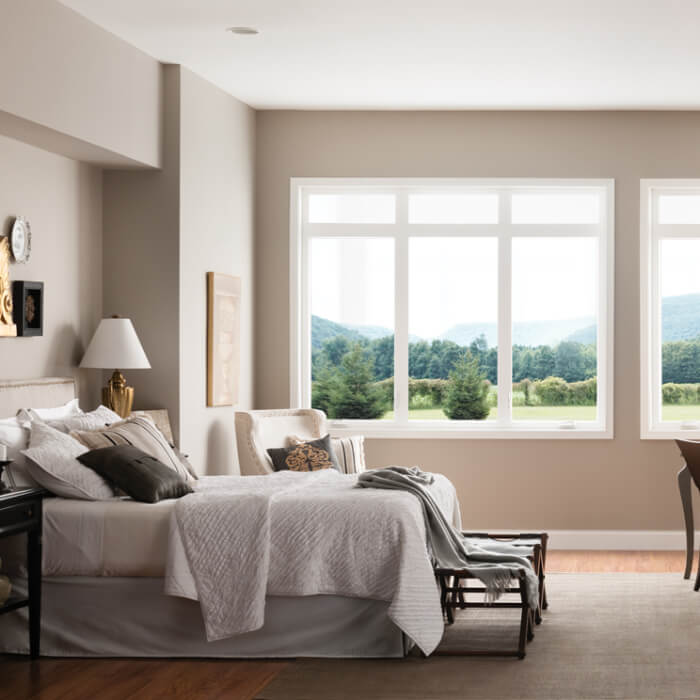
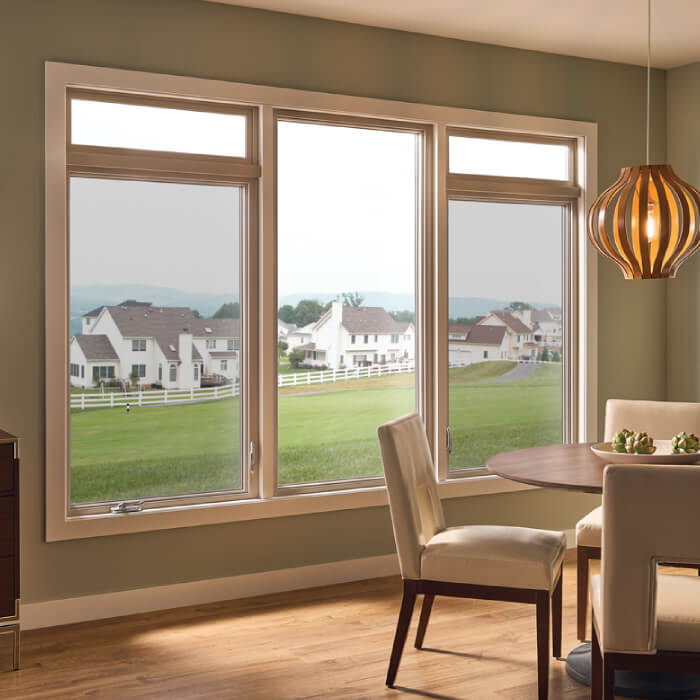
When it comes to windows, it turns out the view isn’t the only thing that matters.
According to Duncan Newman, “there is most certainly not a one-size-fits-all solution.”
And after watching him march through every window style in the latest episode of Stay Glassy, with the kind of enthusiasm usually reserved for puppies or pizza, we believe him.
If you’re designing, remodeling, or just trying to figure out what that mystery crank in your bathroom does, here’s your no-fluff guide to the most common window styles, and which one’s right for your home.
Window Styles 101
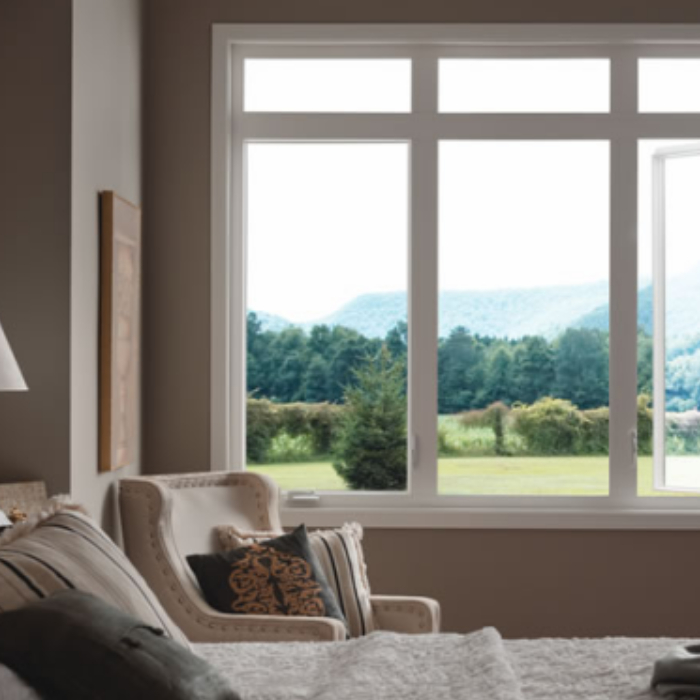
Sliding Windows: The Southern California Staple
“They’re great for horizontal spaces,” Duncan says, pointing out that sliding windows are often the go-to in SoCal. Their low profile and clean lines make them perfect for both modern and traditional homes, provided the right trim and casing are used.
What makes them practical:
- Easy to open with a single glide
- Positive action lock (which means you won’t panic halfway to work, wondering if your house is secure)
- Built-in anti-lift clips, so the panes stay put even when slightly vented
- Dual-pane design for insulation and noise control
- Can be customized with or without grids, depending on your style
In short: they’re smart, secure, and surprisingly versatile. A solid starter window that punches above its weight.
Casement Windows: Architect-Approved Airflow
“Most architects spec out casement windows as their most popular window,” Duncan tells us, and it’s easy to see why. These hinged windows swing open like a door, using a crank mechanism, to give you a wide-open invitation to airflow.
Why they’re a designer’s dream:
- Maximum ventilation—“They open 90 degrees!”
- Compliant with egress codes (read: fire escape-friendly), especially for bedrooms
- Elegant, classic appearance—perfect for traditional or transitional homes
- Ideal for hard-to-reach places, like over the kitchen sink
Just keep in mind that since they open outward, you don’t want them jutting into walkways or narrow patios. As Duncan warns, “You’ve got to be careful where you put them… someone might bang their head.”
Awning Windows: Breezy, Compact, and Weather-Smart
If casement windows are the wide-open highway, awning windows are the scenic side road. They crank out at an angle—typically 30 to 40 degrees—making them perfect for ventilation in tricky spots.
Where they shine:
- Over bathtubs, toilets, or kitchen counters
- High on the wall (like a clerestory or above an entry door)
- In combo with picture windows to let in air without compromising the view
- Optional inside screen keeps bugs out while air flows in
Awning windows are the introverts of the window world: quietly functional, low-maintenance, and always there when you need a little fresh air.
Single-Hung vs. Double-Hung: Same Look, Different Workload
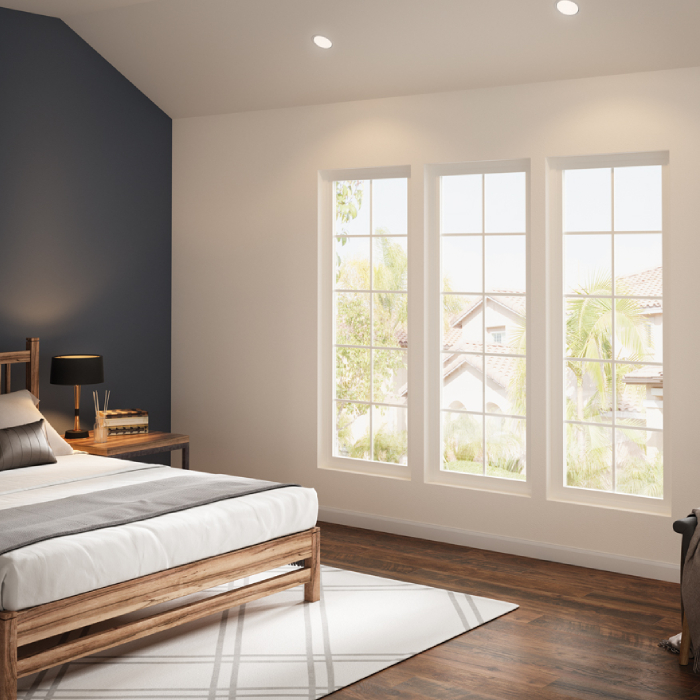
At first glance, single- and double-hung windows look the same—until you start moving them. “Single-hung windows open from the bottom,” Duncan explains, “and the top part is stationary.” Double-hung windows, on the other hand, allow both the top and bottom sashes to slide.
So why pick one over the other?
- Single-hung: More affordable and more common
- Double-hung: Easier to clean (since both sashes tilt in), better airflow control, and a must-have for traditional or farmhouse looks
- Double-hung windows also offer full-length screens—great if you actually like opening both sashes.
Budget vs. convenience. Either way, these classic vertical sliders are a win.
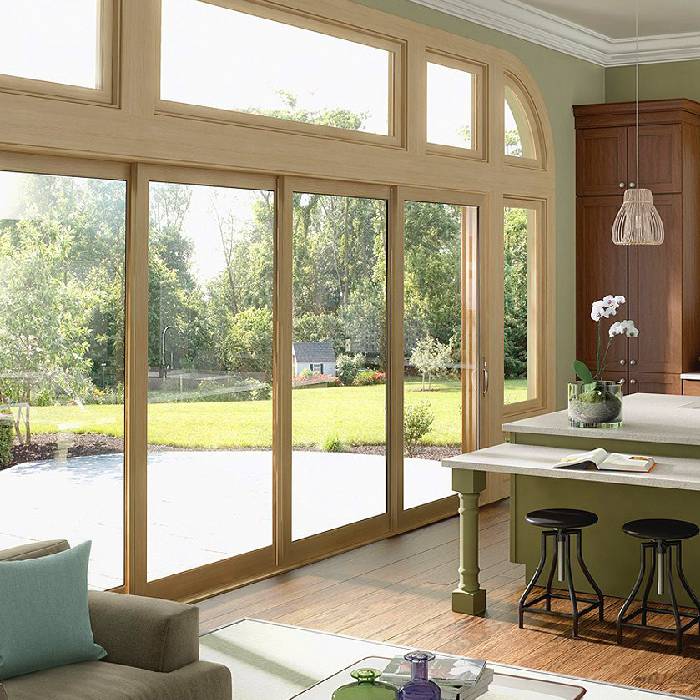
Picture Windows: Nothing to See Here—Except Everything
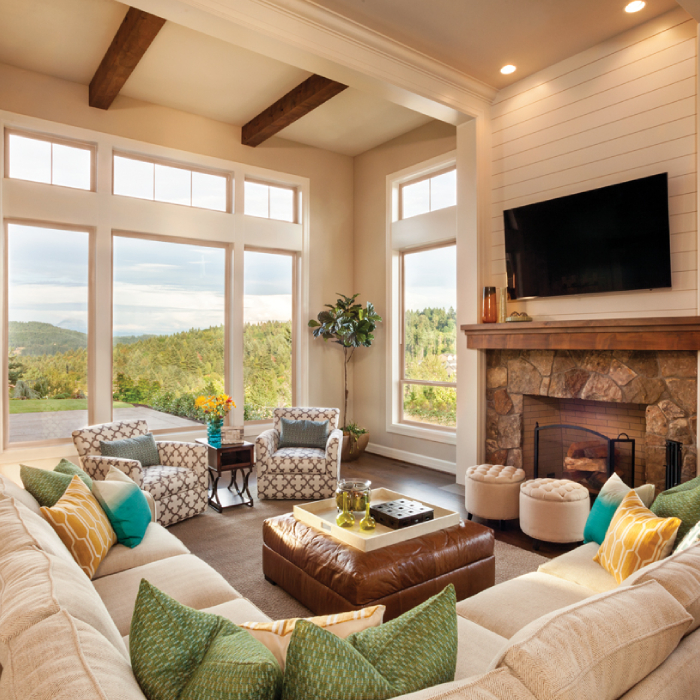
“They don’t open. They don’t move. It’s a picture window,” Duncan says. And that’s exactly the point. Picture windows are about soaking up the view, not letting in air.
Why homeowners love them:
- No screens or moving parts to interrupt your sightlines
- Ideal for framing vistas, like a backyard, the mountains, the ocean, or just your favorite tree
- Can be combined with other window types for function + beauty
- Energy efficient, especially when using modern glass technology
They’re the strong, silent type of the window world: all beauty, no drama.
Bay and Bow Windows: More Window, More Wow
Looking for a statement window? Bay and bow styles take things to another level—literally. These windows project outward from your home’s exterior, creating extra space, light, and architectural interest.
What’s the difference?
- Bay windows: 3 panels, angled, traditional
- Bow windows: 4 or more panels, gently curved, more panoramic
“They’re architecturally beautiful,” Duncan notes, “but a lot more expensive than a regular window.” Why? Because they require additional structure—think custom roofing, flooring, and framing.
But that price tag comes with perks: cozy window seats, expanded views, and extra charm. One client even commissioned a bay window just for their cat. That’s right—feline feng shui.
No One-Size-Fits-All Window (And That’s a Good Thing)
After touring every window style under the sun, it’s clear: your windows need to match more than your trim. They need to match your life. Whether you want airflow, security, ease of use, or a million-dollar view, there’s a window built just for that.
So the next time you’re window shopping (literally), ask yourself:
- What do I need this window to do?
- How important is ventilation vs. aesthetics?
- Am I willing to pay for premium features, or will I keep it simple?
Choose the right style, and your windows won’t just open. They’ll open up your whole home.
Looking for more? Request a consult >>