





Common Window & Door Problems and Fixes | Stay Glassy Ep. 13
Your windows and doors are showing their age — but does that mean full replacement is the only answer? In Episode 13 of Stay Glassy, Newman Windows and Doors pros Maria and Duncan tackle the five most common window and door problems homeowners face, walking through practical fixes for each one. From fogged glass and drafty frames to sliding doors that require a full-body workout to open, replacement is sometimes the right call — but not always. This episode gives you the knowledge to know the difference.
Common Window and Door Problems — and the Fixes That Actually Work.
Key Takeaways from This Episode:
- Condensation on the inside of a single-pane window means the glass is essentially useless as a thermal barrier — the fix is new dual-pane windows
- Condensation between the panes of a dual-pane window means the hermetic seal has failed — older windows usually need full replacement; newer ones may only need the glass unit replaced
- New windows leaking after rain is most commonly caused by incorrect original installation flashing — a retrofit window will not fix a flashing problem
- Older sliding glass doors — especially those with the panel on the outside track — can be lifted off with a crowbar in seconds; tens of thousands are still in Southern California homes
- Windows that won't open can be painted shut, nailed shut, or have broken balancers or worn wheels — most have fixes, but new vinyl or fiberglass windows are often the smarter long-term investment
- Dual-pane windows with low-E coating block up to 86% of UV — stopping damage to flooring, furniture, upholstery, and artwork
- Fogged dual-pane windows from the 2000s onward may only need the glass unit (IG unit) replaced — not the full window — saving significant cost
- Old sliding glass door thresholds corrode from underneath due to aluminum reacting with concrete — new sliding doors are a game-changer in ease of use, safety, and security
- Never nail a window shut — in a fire, it becomes a sealed trap with no egress
- Full replacement is not always the answer — talk to a window and door specialist who can identify the right fix for your specific situation
Problem 1: My Window Won't Open
There are several common reasons a window stops opening. In older homes, repeated painting over the years can seal a window completely — the paint bond eventually becomes stronger than the window's ability to open. Some windows have been nailed shut by previous owners as a quick fix for a broken sash. Single-hung and double-hung windows can develop failed balancers — the mechanism that holds the sash open — causing it to fall shut immediately after being raised. Sliding windows can have worn, broken, or missing wheels, or deteriorated tracks. All of these have solutions. That said, for older single-pane or aluminum windows, the repair cost often approaches the cost of new vinyl or fiberglass windows that come with better energy efficiency, a lifetime warranty, and none of the underlying problems.
Problem 2: Drafty Windows and Faded Furniture
Single-pane aluminum windows are among the most thermally inefficient products in any home. Glass and aluminum are both excellent conductors of heat and cold, and as these windows age they loosen in their frames, allowing air to pass around the edges freely. The UV transmission through single-pane glass is essentially unfiltered — causing flooring, upholstery, curtains, and artwork to fade unevenly over time. Replacing with dual-pane vinyl or fiberglass windows with low-E coating blocks up to 86% of incoming UV, eliminates drafts, and delivers immediate, noticeable noise reduction. The improvement in comfort is something homeowners notice the day after installation.
Problem 3: Fogged Windows
Fogged dual-pane windows — condensation trapped between the two panes — mean the hermetic seal has failed. For windows that are 20, 30, or 40 years old with original early-technology dual-pane units, full window replacement is the right call. Spending money to re-glass an old aluminum-framed window is rarely worth it. For windows installed in the 2000s or later where the frame is still in good condition, the glass unit itself — called an IG unit — can be replaced without disturbing the frame. This is less expensive than full replacement and comes with a warranty. If you're replacing the IG unit anyway, it's also an opportunity to upgrade to low-E or low-E Max glass for added UV protection and energy efficiency.
Problem 4: Sliding Glass Door Is Difficult to Open
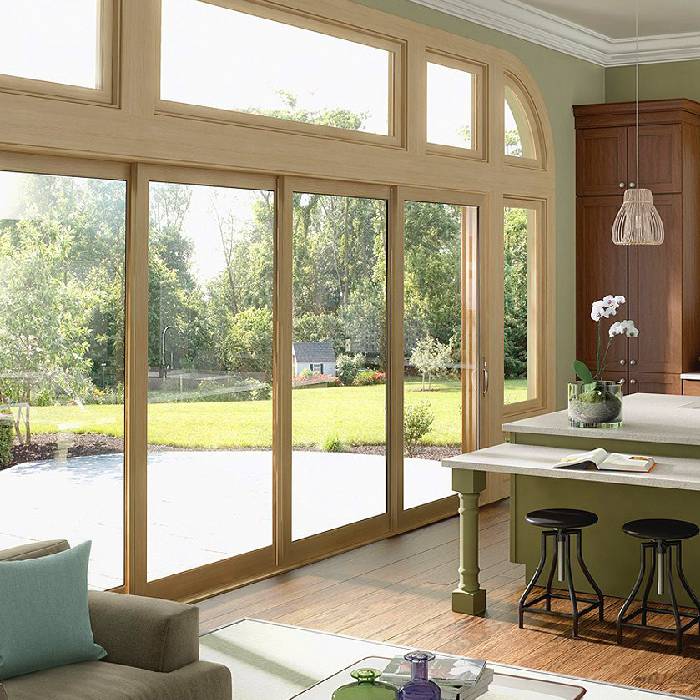
Old sliding glass doors deteriorate in multiple ways simultaneously. Aluminum thresholds react chemically with concrete over time, corroding from underneath until holes appear. Wheels wear down from decades of use, turning what should be a smooth glide into a full-body effort. Tracks accumulate damage that makes cleaning difficult and operation worse. The result is a door that requires significant physical effort to operate — a real problem for older homeowners or anyone with limited mobility. New sliding glass doors with modern wheels, clean tracks, and robust multi-directional locking systems are a dramatic improvement in daily usability, security, and appearance. They're also more reasonably priced than most homeowners expect.
Problem 5: Ugly or Outdated Entry Door
The front door is the entrance to your home — the first thing every visitor, buyer, and appraiser sees. An outdated door undermines the entire first impression of the property. Modern fiberglass and steel entry doors offer exceptional ROI, dramatically improved security through multi-point locking systems and long screws anchored into studs, and a range of design options from classic to contemporary. Wood doors are still available but require a minimum 6-foot overhang to protect them from sun damage — without that protection, deterioration is a matter of when, not if. Options like speakeasy panels, decorative glass, and custom caming mean your replacement door can be genuinely unique to your home.
Can fogged dual-pane windows be repaired without replacing the whole window? Sometimes. For windows installed from roughly 2000 onward with frames still in good condition, the glass unit — called an IG unit — can be replaced independently of the frame. This is less expensive than full replacement and comes with a warranty. For older windows with aluminum frames, full replacement is usually the better investment. A window specialist can assess which situation applies to your specific windows.
Why do new windows leak when it rains? The most common cause isn't the window itself — it's incorrect flashing from the original installation. Stucco is porous, and if the flashing under the tar paper wasn't layered correctly, rainwater that penetrates the stucco runs behind the paper and into the wall rather than down and out. A retrofit replacement window won't solve a flashing problem. If you're experiencing leaks, have the flashing assessed before any window work is done.
Are old sliding glass doors a security risk? Yes — particularly those installed in the 1960s and 1970s where the sliding panel sits on the outside track. A crowbar or screwdriver can lift that panel off its track entirely, bypassing the lock completely. Even if the panel isn't removable, older locking mechanisms are easy to defeat. Modern sliding glass doors have multi-directional locking systems secured with 3-inch screws anchored into the wall, and glass that is significantly thicker than older units.
Is it ever okay to nail a window shut? No. A nailed window is a sealed egress point. In a fire where a door is blocked, a window may be your only escape route — or the only route for a first responder to reach you. Nailing a window shut is a safety violation and a potential life-safety hazard. If a window doesn't function correctly, the right fix is repair or replacement — not permanent closure.
📄 Full Episode Transcript — Click to Expand
Are you worried about your window and door project turning into a long, drawn-out, costly mess? Today we're talking about the five most common problems you may be facing and the fixes you can do. Replacement is not always the answer — but it may be easier than you think.
Welcome to Stay Glassy, Episode 13. I'm Maria and I'm Duncan. We're your go-to pros from Newman Windows and Doors and Newman Garage Doors, helping you make smart, stylish, and safe choices for your home.
Glazed and Confused: Homeowner Q&A
Q: Why is there condensation in my window?
The answer depends on whether you have single-pane or dual-pane windows. With single-pane windows, condensation on the inside of the glass means the aluminum frame and single pane are providing almost no thermal barrier — warm, moist interior air meets the cold glass surface and condenses. The fix is new energy-efficient dual-pane windows. With older dual-pane windows, condensation between the two panes means the hermetic seal has failed. In windows 20–30 years old with aluminum frames and rubber Christmas-tree gaskets, the glass corners have likely cut through the gasket over time, breaking the seal. These should be fully replaced — repairing them is not cost-effective. In newer dual-pane vinyl windows, the glass unit (IG unit) can often be replaced without replacing the full window, at lower cost and with a warranty.
Q: Why do my new windows leak when it rains?
The most common cause is incorrect original installation flashing — not the window itself. Stucco is porous. When rain penetrates it, it needs to run down behind the stucco, over the tar paper, and out at the bottom of the wall. If the flashing wasn't layered correctly during original construction, water runs behind the paper and into the wall framing instead. A retrofit replacement window will not fix a flashing problem — the underlying installation issue must be corrected. Other causes include caulking that has separated from a replacement window frame to the surrounding wall surface, which is a more straightforward fix.
Q: Are sliding glass doors easy to break into?
Old ones can be dangerously easy. Many sliding glass doors installed in the 1960s and 70s were built with the sliding panel on the outside track — meaning the sliding panel sits on the exterior side of the fixed panel. Anyone with a crowbar or screwdriver can insert it underneath the sliding panel, lift it up, and remove it from the track entirely — bypassing the lock completely. Tens of thousands of these doors are still in Southern California homes. Older locking mechanisms were also minimal — a small metal catch that could be pried off easily. Modern sliding glass doors have multi-directional locking systems, thicker glass, robust strike plates, and 3-inch screws anchored into the wall studs. If you have old sliding glass doors, check which track your sliding panel sits in.
Problem 1: My Window Won't Open
Common causes include: paint buildup that has sealed the window shut over multiple paint cycles; nails driven through the frame as a makeshift fix for a broken sash; failed balancers in single or double-hung windows that cause the sash to fall back down immediately after being raised; and worn, broken, or missing wheels or damaged tracks in sliding windows. All of these have repairs available. For older single-pane or aluminum windows, the repair cost often approaches the cost of new vinyl or fiberglass windows — making replacement the smarter long-term investment, with the added benefits of lifetime warranty coverage and energy efficiency.
Problem 2: Drafty Windows and Faded Furniture
Single-pane aluminum windows conduct both heat and cold efficiently — and as they age, they loosen in their frames and allow air to pass around the edges. The UV transmission through uncoated single-pane glass is essentially unfiltered, causing flooring, carpet, upholstery, curtains, and artwork to fade unevenly over time. Replacing with dual-pane vinyl or fiberglass windows with low-E coating blocks up to 86% of UV, eliminates drafts, and delivers immediate noise reduction. Homeowners consistently report that the improvement in comfort is noticeable from the first day.
Problem 3: Fogged Windows
Condensation between the panes of a dual-pane window means the hermetic seal has failed. For windows 20–40 years old with aluminum frames, full replacement is recommended — the cost to re-glass old aluminum windows is rarely justified by the result. For windows from approximately 2000 onward with frames still in good condition, the IG unit (insulated glass unit) can be replaced independently, without disturbing the frame. This is less expensive than full replacement. If replacing the IG unit, it's also an opportunity to upgrade to low-E or low-E Max glass for UV protection and energy efficiency at the same time.
Problem 4: Sliding Glass Door Is Difficult to Open
Aluminum thresholds on old sliding doors corrode chemically when in contact with concrete, eventually developing holes that are visible from above. Wheels wear down over decades of use. Tracks accumulate damage. The result is a door that requires significant physical force to operate — a real challenge for anyone with limited mobility or strength. Modern sliding glass doors glide effortlessly, lock securely in multiple directions with screws anchored into studs, and are more affordably priced than most homeowners expect. For any household where door operation has become a daily struggle, this is one of the most impactful upgrades available.
Problem 5: Ugly or Outdated Entry Door
The front door is the entrance to your home and the first impression for every visitor, buyer, and appraiser. Modern fiberglass and steel entry doors offer strong ROI, superior security through multi-point locking systems, and a wide range of design options. Wood doors require a minimum 6-foot overhang to protect against sun damage — without adequate protection, deterioration is inevitable. Design options including decorative glass, speakeasy panels, custom caming, and hundreds of finish choices mean a replacement door can be both secure and genuinely distinctive.
Safety with Savvy
This episode's safety segment featured a window nailed shut — a common DIY “fix” when a window stops operating correctly. The problem: a nailed window is a sealed egress point. In a fire where a door is blocked, a window may be the only escape route available — or the only way for a first responder to reach you. Nailing a window shut is a safety hazard regardless of intent. If a window doesn't function correctly, the right answer is repair or replacement — never permanent closure.
Key Takeaway
Full replacement is not always the answer to window and door problems — but knowing which problems need full replacement and which can be fixed more cost-effectively requires talking to someone who knows the difference. Work with a window and door specialist who can assess your specific situation and recommend the right solution, not just the most expensive one.
Next episode (Episode 14): Is triple-pane glass worth it — or is it overkill? Visit newmanwindows.com/stay-glassy to submit your questions.