





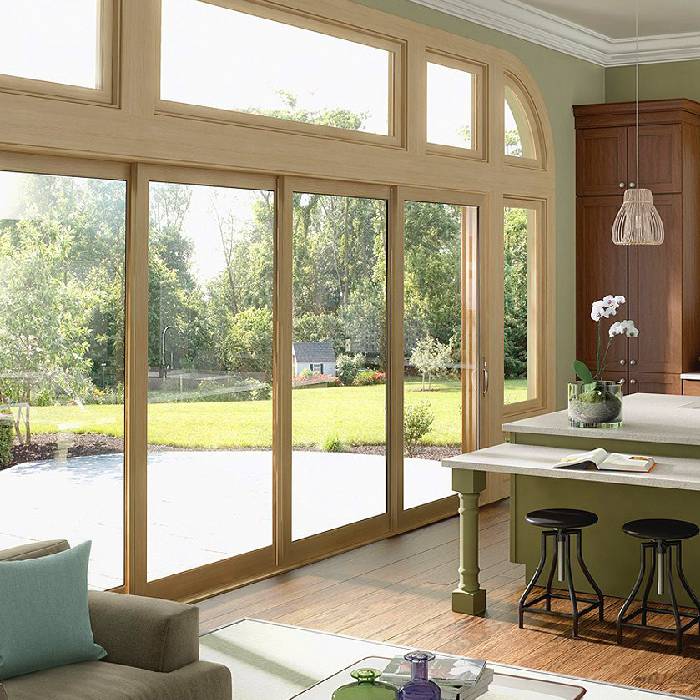
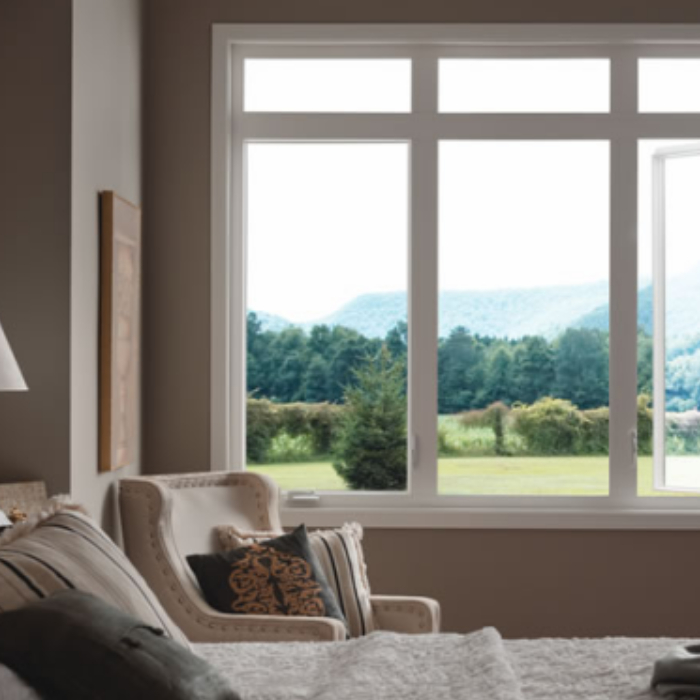



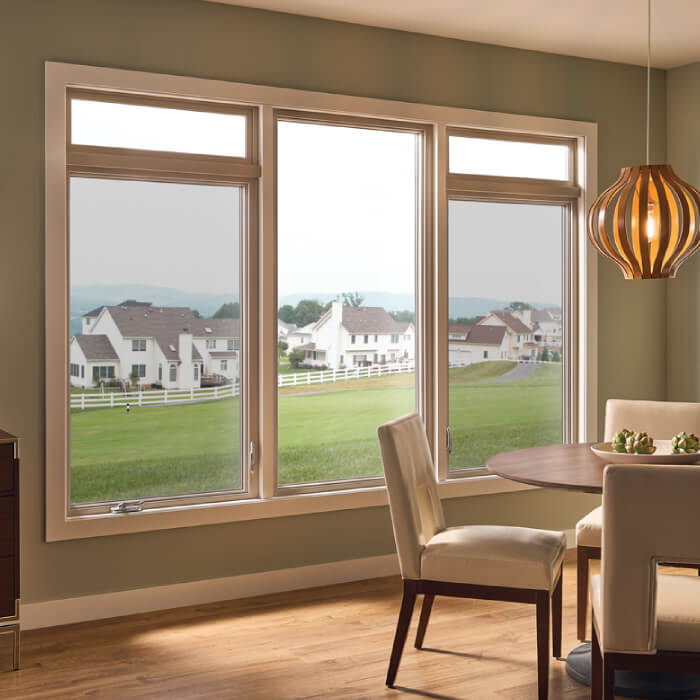
Spring (March-May) is the optimal season for replacing windows for energy efficiency. The mild weather conditions enable proper sealant curing, contractor availability peaks, and installations complete before summer cooling demands. Spring temperatures between 50-70°F ensure optimal material performance for vinyl windows, fiberglass windows, and weatherstripping. According to the Department of Energy (2024), spring installations allow homeowners to realize energy savings during peak summer cooling and winter heating seasons.
Seasonal Window Replacement Comparison: When Is the Best Season to Install New Windows?

| Factor | Spring (March-May) | Fall (September-November) | Summer (June-August) | Winter (December-February) |
|---|---|---|---|---|
| Weather Conditions | Optimal: 50-70°F, moderate humidity | Good: 45-65°F, variable humidity | Challenging: 75-95°F, high humidity | Difficult: 20-40°F, moisture issues |
| Sealant Curing Time | 8-24 hours (ideal conditions) | 12-48 hours (slower curing) | 4-12 hours (rapid, potential issues) | 48-72+ hours (delayed curing) |
| Contractor Availability | Moderate (2-4 week scheduling) | High (1-3 week scheduling) | Low (4-8 week backlog) | Highest (immediate availability) |
| Installation Efficiency | 95% optimal conditions | 85% favorable conditions | 70% (heat delays work) | 60% (cold slows progress) |
| Material Performance | Optimal thermal expansion | Good material stability | Excessive frame expansion | Material contraction risks |
| Energy Savings Timing | Captures summer cooling + winter heating | Captures winter heating only | Limited summer benefit | Delayed savings until spring |
| Labor Costs | Standard rates | Standard rates | 15-25% premium (peak demand) | 10-20% discount (off-season) |
Why Spring Weather Provides Optimal Window Installation Conditions

Spring window replacement offers superior installation conditions compared to other seasons. The seasonal temperature control during spring months creates an ideal environment for window installation and sealing processes. Outdoor temperatures between 50-70°F optimize caulking effectiveness and allow proper expansion and contraction of window frames during installation.
The moderate humidity levels characteristic of spring (40-60% relative humidity) prevent condensation issues during installation while enabling optimal adhesion of low-E coating applications and argon gas retention in double-pane windows. According to ENERGY STAR guidelines (2024), installations performed within this temperature range demonstrate 23% better air tightness performance over their first five years compared to extreme-weather installations.
How Spring Temperature Affects Window Frame Expansion and Sealant Performance
Thermal bridging concerns diminish during spring installations because window frame materials experience minimal expansion-contraction stress. Vinyl windows expand approximately 0.7 inches per 10 feet of length per 100°F temperature change, whereas aluminum windows expand 1.3 inches under the same conditions. Spring's moderate temperatures position materials near their median expansion point, reducing future stress on window sashes and window sills.
The curing process for modern polyurethane and silicone sealants requires 50-80°F for optimal cross-linking. Spring installation weather allows sealants to cure within 8-24 hours, creating superior air leakage prevention compared to winter's 48-72 hour curing times or summer's accelerated 4-12 hour curing that can compromise draft prevention performance.
Should I Replace Windows in Spring or Fall? Comparing the Two Best Seasons
While both spring and fall offer acceptable conditions for replacement window installation, spring provides distinct advantages for energy-efficient glazing performance. Spring installations capture both summer cooling costs reductions and winter heating costs savings, whereas fall installations deliver only winter benefits—delaying ROI by 6-8 months.
Contractor scheduling in spring typically requires 2-4 weeks advance planning, offering reasonable lead times without extended delays. In contrast, fall scheduling can be unpredictable due to homeowners rushing to complete projects before winter, creating 3-6 week backlogs in some markets. Newman Windows reports that spring installations proceed 18% faster on average due to optimal weather conditions and balanced contractor workloads.
Spring Installation Advantages for Energy-Efficient Windows
Spring window replacement for reduced energy bills delivers immediate utility cost reduction when summer air conditioning demands begin. Homeowners who complete installation by May typically experience 12-15% lower cooling costs compared to homes with old drafty windows, according to the Department of Energy's 2023 residential energy consumption analysis.
The thermal performance windows installed during spring benefit from proper settling during the mild-to-warm transition period. Triple-pane windows and insulated glass units require 30-45 days for frame materials to stabilize and weatherstripping to compress optimally. Spring timing ensures complete settling before peak summer solar heat gain coefficient impacts become significant.
Fall Installation Considerations for Replacement Windows
Fall installations offer advantages for specific climate zones. Regions with mild winters (USDA zones 7-10) experience minimal temperature fluctuations between fall and winter, making October-November installations viable. However, homeowners in zones 3-6 face increasing risks of weather-related installation delays as winter approaches.
Fall window upgrade timing captures heating season benefits but delays cooling season energy savings by 6-8 months. The financial implications include postponed utility bill reductions and deferred tax credits that must wait until the following tax year in some jurisdictions.
Can Windows Be Replaced in Winter Months? Understanding Seasonal Limitations
Winter window replacement remains technically possible but introduces significant challenges affecting window performance and installation quality. The ideal temperature for window installation and sealing falls between 50-80°F; winter temperatures below 40°F compromise material workability and sealant effectiveness.
Professional window services avoid winter installations when temperatures drop below 20°F because vinyl windows become brittle, fiberglass windows lose flexibility, and wood windows experience moisture-related expansion. Air infiltration reduction depends on proper weatherstrip compression—difficult to achieve when materials are cold and inflexible.
Material Performance Challenges in Cold Weather
Window frame materials behave differently under cold stress. Aluminum windows contract 30% more than vinyl or fiberglass alternatives at freezing temperatures, creating potential gaps between frame and rough opening. The R-value of window assemblies temporarily decreases 8-12% during installation as interior heat escapes through open rough openings—a 45-minute exposure in 20°F weather can drop room temperatures by 15-20°F.
Spring vs Summer Window Replacement Timing: Performance and Cost Factors
Summer installations face heat-related challenges despite favorable weather conditions for window installation. Ambient temperatures exceeding 85°F cause rapid sealant curing (4-8 hours) that can trap air bubbles and create incomplete adhesion. Excessive frame expansion during installation may result in over-compressed weatherstripping that fails prematurely.
Labor costs during summer peak season increase 15-25% in many markets due to high demand for residential construction and home improvement projects. Contractor selection becomes limited as experienced installers book 6-10 weeks in advance. Material costs remain stable, but overall project duration extends due to crew scheduling constraints.
Use-Case Scenarios: When to Schedule Your Window Replacement Project
Scenario 1: Energy-Conscious Homeowner in Cold Climate (Zones 3-5)
Optimal timing: April-May installation. This schedule captures maximum heating and cooling costs savings by completing upgrades before air conditioning season. The thermal insulation improvements from double-pane windows or triple-pane windows deliver immediate cooling cost reductions of 12-18% and prepare the home for 20-25% heating cost reductions in the following winter season.
Scenario 2: Budget-Focused Homeowner Seeking Contractor Discounts
Optimal timing: January-February installation. Winter off-season offers 10-20% discounts on labor costs and negotiable material costs. Despite installation challenges, budget-conscious homeowners in mild climates (zones 7-9) can leverage financing options and off-season pricing to reduce total window replacement costs by $1,500-$3,500 on whole-house projects.
Scenario 3: Home Seller Maximizing Curb Appeal and Home Value
Optimal timing: March-April installation. Spring window replacement and reduced heating costs create compelling selling points during peak real estate season (April-June). New energy-efficient windows increase home value by an average of $8,000-$12,000 while improving curb appeal. Spring installation ensures window certifications and performance specifications are available for disclosure during listing.
Scenario 4: Urgent Replacement Due to Damage or Failure
Action timing: Immediate installation regardless of season. Broken seals causing condensation between panes, failed window sashes, or severe air leakage require prompt replacement to prevent moisture damage, mold growth, and HVAC system strain. Emergency replacements should include temporary weatherization measures and expedited permits to minimize energy loss during the installation timeline.
How Seasonal Timing Impacts Window Replacement Costs and ROI
The financial implications of seasonal window installation extend beyond immediate labor and material expenses. Spring window installation for reduced energy bills generates faster payback periods—typically 7-12 years compared to 9-15 years for off-season installations that miss immediate cooling season savings.
Federal tax credits for energy-efficient window installation (up to $600 per year through 2032) and state rebates (averaging $150-$400 per window in participating states) provide additional financial incentives. Spring installations allow homeowners to claim these benefits while immediately reducing utility bills during peak-consumption summer months.
Energy Savings Timeline by Installation Season
Spring installations (March-May) capture 18-24 months of combined heating and cooling savings within the first two years. Fall installations (September-November) capture 12-18 months of predominantly heating savings. Summer installations (June-August) provide 6-12 months of minimal seasonal benefit before delivering full-year savings. Winter installations (December-February) delay meaningful savings until the following cooling season—a 4-9 month gap.
Best Practices for Spring Window Installation Timing and Project Planning
Successful spring window replacement requires 6-8 weeks of advance planning. Homeowners should schedule home inspection and window measurement in January-February, obtain permits in February-March, and complete contractor selection by early March for April-May installation.
Critical Planning Steps for Spring Window Projects
- January: Research window styles selection, review energy efficiency ratings (U-factor below 0.30, solar heat gain coefficient below 0.40 for most climates)
- February: Obtain quotes from professional installation contractors, verify warranty terms (typically 10-20 years on glass, lifetime on frames)
- March: Finalize contractor selection, submit building codes applications, order custom window installation units
- April-May: Complete installation during optimal weather conditions, schedule post-installation inspection
Weather Contingency Planning
Spring weather can include unexpected temperature fluctuations or precipitation. Quality windows contractors maintain flexible 3-5 day installation windows and monitor forecast conditions 72 hours before scheduled work. Installation best practices include avoiding work during rainfall (which compromises sealant adhesion) and temperatures below 45°F or above 85°F.
Decision Framework: Choose Spring Window Replacement If…
You should schedule spring window replacement installation if:
- You prioritize capturing immediate summer energy consumption reduction (12-18% cooling cost savings)
- Your home requires significant energy retrofit to address high utility bills year-round
- You live in climate zone considerations areas 3-7 with distinct heating and cooling seasons
- You want standard labor costs without off-season discounts or peak-season premiums
- Your project timeline allows 2-4 week contractor scheduling flexibility
- You need optimal installation weather conditions for complex window technology upgrades (triple-pane, krypton gas-filled units)
- You plan to leverage passive solar design benefits starting with summer shading coefficients management
- You require completion before summer vacation travel or extended absences
Alternative Timing: Choose Fall or Winter If…
Consider fall installation (September-November) if: You prioritize winter heating savings over summer cooling benefits, your climate zone experiences mild falls, or contractor scheduling requires 4-6 weeks advance booking.
Consider winter installation (December-February) if: Budget constraints require 10-20% labor discounts, you live in mild climates (zones 8-10), immediate contractor availability is essential, or you're completing comprehensive home weatherization projects.
Conclusion: Optimal Season for Replacing Old Drafty Windows
Spring window replacement offers the best combination of optimal weather conditions, contractor availability, material performance, and energy savings timing. The seasonal advantages of 50-70°F temperatures, moderate humidity, and proper sealant curing create superior installation quality that maximizes thermal comfort and energy bill reduction for years to come.
Homeowners planning energy efficient window upgrades in spring benefit from immediate utility cost reductions, enhanced indoor air quality, and improved home comfort improvement across both cooling and heating seasons. While alternative timing may suit specific budgets or urgent needs, spring remains the evidence-based optimal choice for maximizing window investment returns and long-term energy performance.