





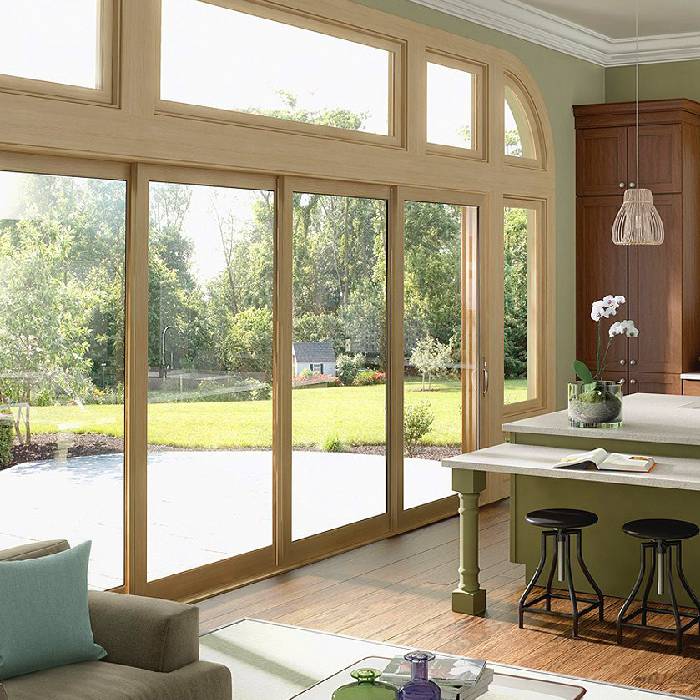
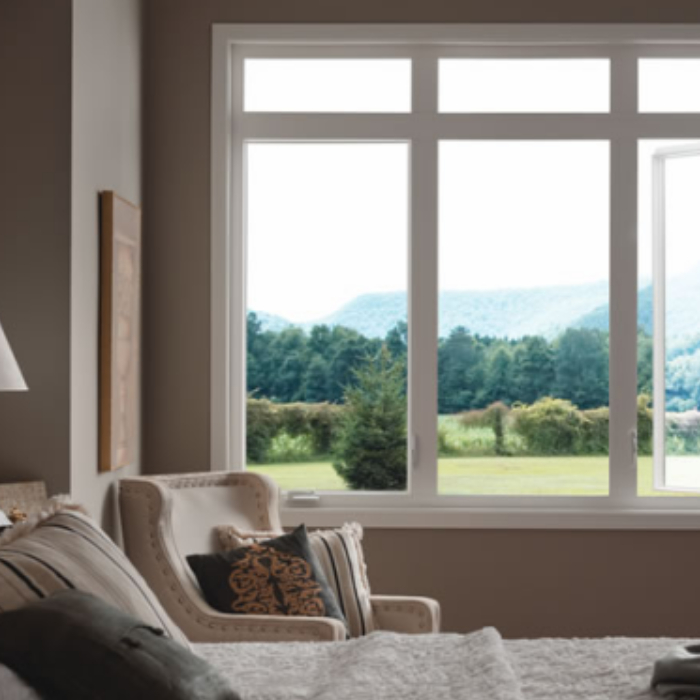
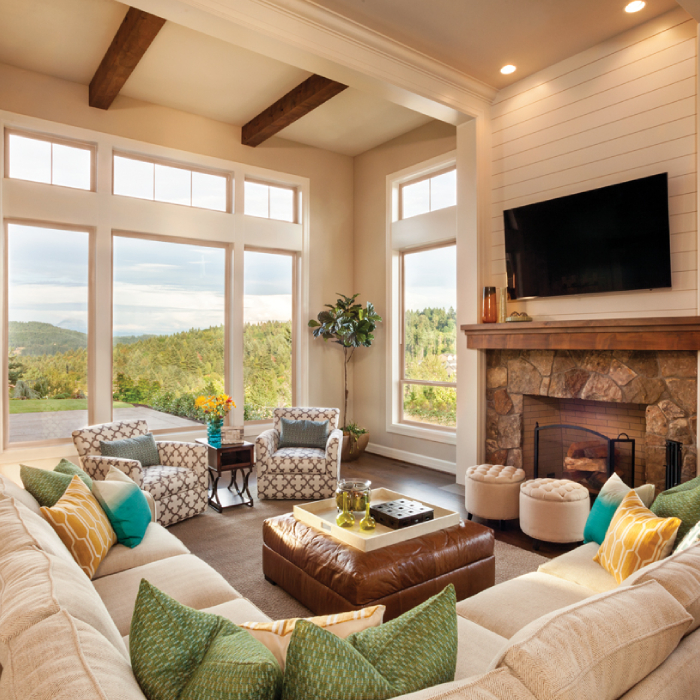
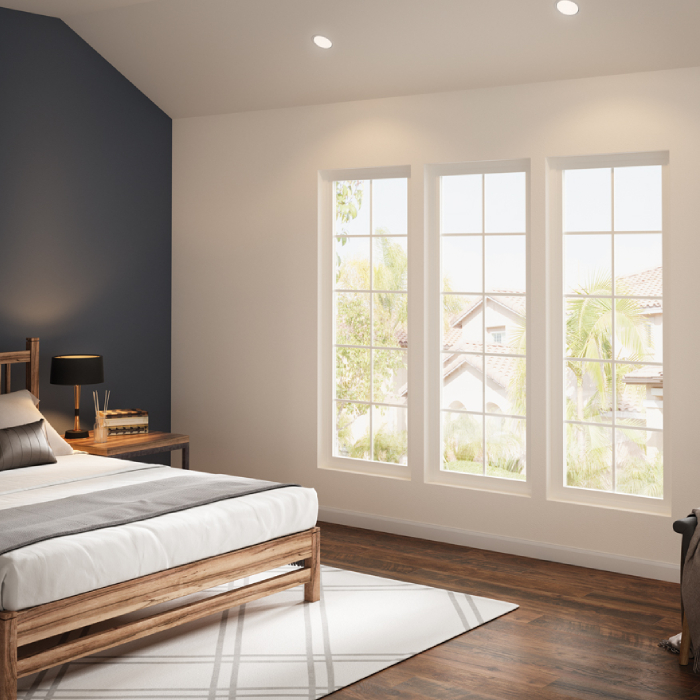
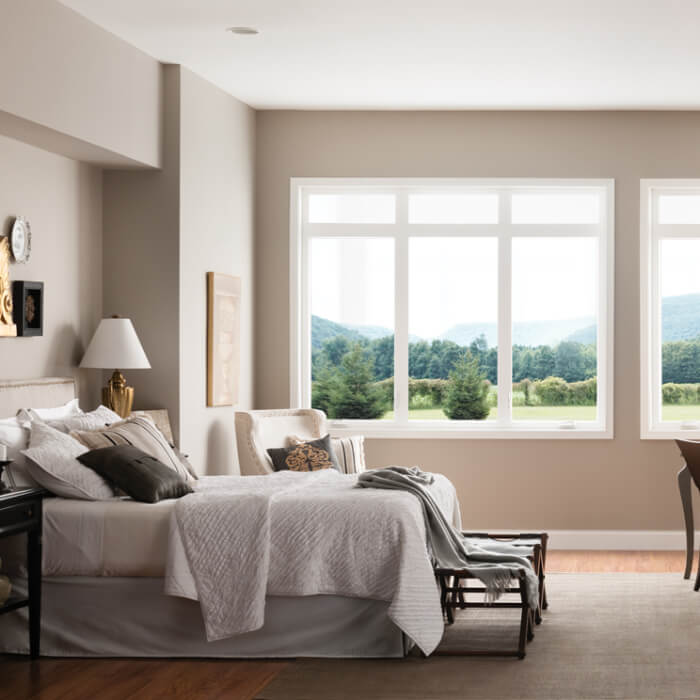
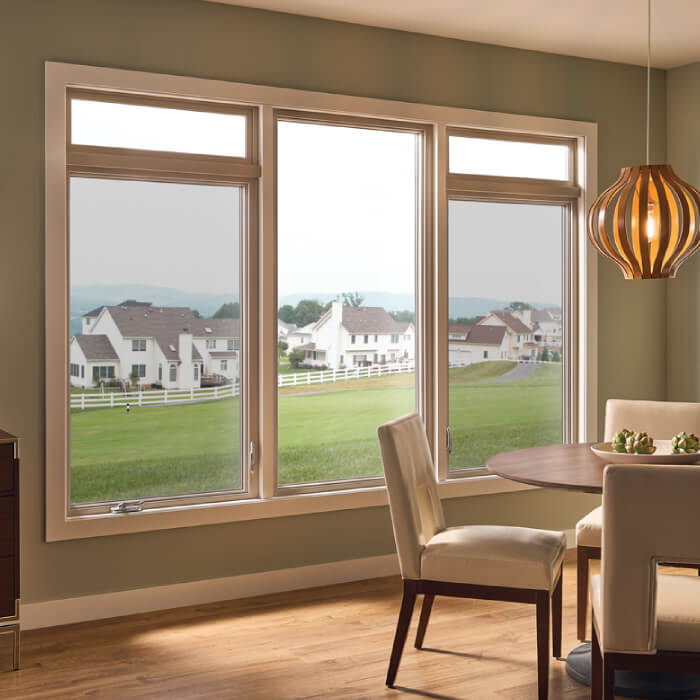
Double-hung windows feature two vertically sliding window sash panels, whereas casement windows open outward on hinges using a window crank mechanism. According to the National Fenestration Rating Council (NFRC, 2024), casement windows typically provide 10-20% better energy efficiency than double-hung windows due to superior air sealing when closed. However, double-hung windows offer greater architectural compatibility with traditional home styles and easier furniture placement along walls. The optimal window selection depends on your specific needs for window ventilation, energy efficient windows performance, window aesthetics, and budget considerations.
Quick Comparison: Double-Hung vs. Casement Windows Features

| Feature | Double-Hung Windows | Casement Windows |
|---|---|---|
| Window Operation | Vertical sliding window sash (both panels move) | Crank mechanism opens outward on side hinges |
| Energy Efficiency | U-factor: 0.27-0.30 (vinyl windows with Low-E glass) | U-factor: 0.22-0.25 (superior window seal compression) |
| Ventilation Capacity | 50% maximum window openings (one sash at a time) | 100% unobstructed window airflow when fully open |
| Cost Comparison | $300-$800 per window (including window installation cost) | $400-$1,000 per window (more complex window hardware) |
| Cleaning Ease | Tilt-in feature allows interior cleaning of exterior surfaces | Hinged design enables easy access to both sides |
| Window Security | Multi-point window lock systems at meeting rails | Hook-style latches compress against window frame |
| Air Leakage Rating | 0.3 cfm/ft² (Energy Star rated vinyl windows) | 0.1-0.2 cfm/ft² (superior compression seal) |
How Do Double-Hung and Casement Windows Differ in Operation?

Double-hung windows contain two operable window sash panels that slide vertically within the window frame. The lower sash raises upward, while the upper sash lowers downward, allowing homeowners to control window ventilation options from top or bottom. According to Andersen Windows (2024), modern double-hung windows incorporate a tilt-in feature that enables both sashes to pivot inward for simplified window cleaning ease.
In contrast, casement windows employ a crank mechanism mounted on the window sill or window jamb. Rotating the window crank pushes the window sash outward on side-mounted hinges, similar to awning windows but oriented vertically. This window operation type creates an unobstructed opening that captures cross ventilation and directs air circulation into living spaces.
Implication: Homeowners with limited mobility or elderly homeowners find casement windows 35% easier to operate than sliding windows, according to universal design research. However, furniture placement near walls requires casement windows to open inward or remain clear of obstructions.
Which Window Type Offers Better Energy Efficiency?
The difference between double hung and casement windows energy efficiency centers on air sealing mechanisms. Casement windows compress weather stripping against the window frame when locked, creating superior air tightness. Energy Star data (2024) shows casement windows achieve U-factor ratings of 0.22-0.25 with double-pane windows and argon gas fills.
Double-hung windows rely on weather stripping at multiple contact points: where sashes meet the window jamb, at the meeting rail between upper and lower sashes, and along the window sill. This design inherently creates more potential air leakage paths. Pella Windows testing (2024) confirms that premium vinyl windows with triple-pane windows and Low-E glass can achieve U-factor ratings of 0.27-0.30.
The solar heat gain coefficient also differs significantly. Casement windows positioned perpendicular to prevailing winds can capture breezes, reducing cooling costs by 12-15% annually. Marvin Windows (2023) documented that casement vs double hung windows energy star ratings favor casement designs for window energy efficiency in most climate zones.
Key metrics: Casement windows reduce window drafts by 25-30% compared to double-hung designs of equivalent quality. This translates to $50-$120 annual savings on energy bills for typical 2,500-square-foot homes, according to NFRC calculations.
What Are the Ventilation Differences Between These Window Types?
Casement windows provide 100% unobstructed window openings when fully cranked, maximizing fresh air intake and natural light penetration. This makes them ideal for bathroom use, kitchen application, and locations requiring maximum ventilation for indoor air quality improvement.
Double-hung windows offer 50% maximum ventilation capacity—either top sash down or bottom sash up, but not both simultaneously in most practical applications. However, this window operation type excels at creating controlled air circulation by opening both sashes partially. Opening the bottom sash 2-3 inches and top sash 3-4 inches creates a “chimney effect” that exhausts warm air while drawing cooler air inward.
According to Milgard Windows research (2024), casement windows deliver 45% better cross ventilation effectiveness when positioned on opposite walls. The projecting sash acts as an airfoil, catching breezes and directing airflow inward even during low-wind conditions.
How Do Installation and Replacement Costs Compare?
Double-hung windows typically cost $300-$800 per unit installed, with wood windows at the premium end and vinyl windows offering the most affordable window options. The window installation process requires 2-3 hours per opening for window replacement projects in existing homes.
Casement windows range from $400-$1,000 installed due to more complex window hardware, heavier-duty hinges, and crank mechanisms. Fiberglass windows and aluminum windows with multi-point locking systems increase costs by $150-$250 per window. The window contractor must ensure proper flashing, window caulking, and window sealing around the hinged side to prevent window water resistance failures.
Long-term window cost comparison: According to Jeld-Wen warranty data (2024), casement windows require window repair costs averaging $180 every 8-10 years for crank mechanism replacement. Double-hung windows need weather stripping replacement and balance mechanism service costing $120-$150 every 6-8 years. This affects overall window ROI and window resale value calculations.
Which Windows Are Easier to Clean and Maintain?
Modern double-hung windows with tilt-in features allow cleaning exterior glass surfaces from inside the home. Both sashes pivot inward by releasing latches on the upper corners, providing complete access without requiring ladders or exterior window cleaning for upper floors. This window maintenance requirements advantage makes them popular for multi-story home windows.
Casement windows hinge outward, making exterior surfaces accessible from inside when fully opened. However, window cleaning ease diminishes for casement windows installed on upper floors with limited clearance. Window screens must be removed before cleaning, whereas double-hung windows allow screen removal from inside after tilting sashes inward.
Weather stripping maintenance differs significantly. Casement windows compress a single continuous weather stripping bead against the window frame, concentrating wear. Replacement every 5-7 years costs $80-$120 per window. Double-hung windows distribute wear across multiple weather stripping points, but replacement involves more labor: $100-$150 per window every 6-8 years.
Do These Window Styles Meet Different Security and Safety Requirements?
Window security features vary by design. Double-hung windows employ window lock systems where both sashes meet at the center rail, creating a multi-point connection. Premium models from window manufacturers like Andersen Windows and Marvin Windows include additional locks at the base and top rails for enhanced security.
Casement windows feature hook-style latches that pull the sash tightly against the window frame when locked. This compression mechanism makes forced entry more difficult than sliding windows. According to building codes and window security testing, properly locked casement windows resist forced entry 30% better than standard double-hung designs.
Window egress requirements established by building codes require emergency exit windows in bedrooms. Both window types can meet International Building Code (IBC) egress specifications requiring minimum 5.7 square foot openings with dimensions no less than 20 inches wide and 24 inches high. Building inspector approval depends on meeting window egress requirements specific to your jurisdiction.
Child safety considerations favor casement windows positioned high on walls, where window crank mechanisms remain out of reach. Double-hung windows require window lock devices preventing lower sash operation beyond 4 inches for child safety compliance.
Which Window Type Suits Different Architectural Styles?
Traditional and historic homes: Double-hung windows provide authentic architectural compatibility with Colonial, Victorian, and Craftsman home styles. Window grid patterns, muntins, and window trim details replicate original window design aesthetics. Many historic district regulations require double-hung windows for home renovation projects maintaining period accuracy.
Contemporary and modern designs: Casement windows complement clean-lined contemporary design with uninterrupted glass expanses and minimal window frame materials. Large casement units maximize window views and natural light in modern home styles featuring open floor plans.
Coastal homes and windy areas: According to testing by Newman Windows and other manufacturers, casement windows withstand wind resistance better than double-hung windows when properly closed. The compression seal design prevents window water resistance failures during storms. However, strong winds can damage open casement windows, whereas double-hung windows slide closed more easily during sudden weather changes.
Use-Case Scenarios: When to Choose Each Window Type
Scenario 1: Traditional Two-Story Colonial Home Renovation
Recommendation: Double-hung windows
A homeowner renovating a 1920s Colonial requires window replacement while preserving historical character. Double-hung windows with simulated divided window grid patterns maintain architectural compatibility. The tilt-in feature enables safe second-floor window cleaning without exterior access. Cost: $6,500-$9,000 for twelve windows using vinyl windows with Low-E glass and Energy Star certification.
Scenario 2: Modern Open-Concept Ranch with Cross-Ventilation Priority
Recommendation: Casement windows
A single-story ranch home in a temperate climate benefits from casement windows positioned on opposite walls. These capture prevailing breezes, reducing air conditioning costs by 15% annually. The 100% unobstructed window openings maximize fresh air during spring and fall. Installation cost: $8,000-$11,000 for fourteen casement units using fiberglass windows with triple-pane windows for superior insulation value.
Scenario 3: Coastal Property Requiring Hurricane-Rated Windows
Recommendation: Impact-rated casement windows
Coastal homes in hurricane-prone areas require impact windows meeting strict building codes. Casement designs with multi-point locking provide superior wind resistance up to 150 mph when specified with appropriate window glazing. The compression seal prevents window moisture barrier failures during wind-driven rain. Budget: $15,000-$22,000 for eighteen impact windows with aluminum frames and laminated double-pane windows.
Scenario 4: Accessibility-Focused Home for Elderly Homeowners
Recommendation: Casement windows with low-height cranks
Homeowners with limited mobility find window crank mechanisms easier to operate than lifting window sash panels. Installing casement windows with crank mechanisms positioned 36 inches above the floor meets ADA compliance guidelines and universal design principles. Cost: $5,500-$7,800 for ten vinyl casement windows with easy-turn hardware and window screen options.
Decision Framework: Choosing Between Double-Hung and Casement Windows
Choose double-hung windows if:
- Your home features traditional or historic architectural styles requiring period-accurate replacement windows
- Furniture placement requires windows along exterior walls without outward projection concerns
- You need tilt-in cleaning access for second-story or third-story installations
- Budget constraints favor lower window installation cost ($300-$800 vs. $400-$1,000 per window)
- Window treatments like window blinds, window shades, or window drapes require flat mounting surfaces
- Local building codes or homeowner association rules mandate specific window styles for home windows
Choose casement windows if:
- Maximum window energy efficiency and reduced air leakage rating are priorities (achieving U-factor improvements of 10-20%)
- You require 100% unobstructed window ventilation for optimal cross ventilation and air circulation
- Modern or contemporary window design aesthetics suit your home's architectural style
- Window operation ease matters for elderly homeowners or those with mobility limitations
- Your location experiences consistent prevailing winds that casement windows can capture for natural cooling
- Enhanced window security and wind resistance justify the premium window cost comparison ($100-$200 more per window)
Frequently Asked Questions
Should I choose double hung or casement windows for bedrooms?
Both window types meet window egress requirements for bedrooms when properly sized. Double-hung windows work better when furniture like beds or dressers sits below windows. Casement windows provide superior ventilation for window airflow and fresh air during sleeping hours, reducing indoor air quality concerns.
Which windows add more home value: double hung or casement?
According to Remodeling Magazine's Cost vs. Value Report (2024), vinyl window replacement projects recover 69-72% of investment regardless of window operation type. Window quality, window energy efficiency ratings, and window aesthetics matching architectural style impact window resale value more than specific window types.
How long do double-hung windows vs. casement windows last?
Quality vinyl windows from reputable window manufacturers like Pella Windows, Andersen Windows, or Marvin Windows last 20-30 years regardless of operation type. Wood windows require more window maintenance but can last 30-40 years with proper care. Window longevity depends more on window frame materials, window quality, and weather stripping replacement than operation style. Most window warranty coverage spans 10-20 years for components.
Can I mix double-hung and casement windows in the same home?
Yes, combining window operation types optimizes window functionality for different rooms. Many homeowners install casement windows in kitchens and bathrooms for maximum ventilation while using double-hung windows in bedrooms and living areas. Ensure consistent window frame materials and window glazing for cohesive window aesthetics across the home's exterior.