





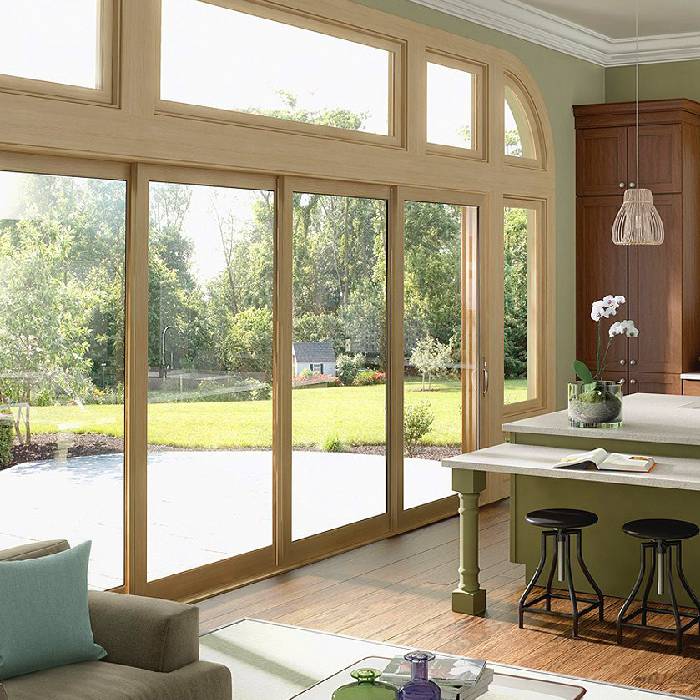
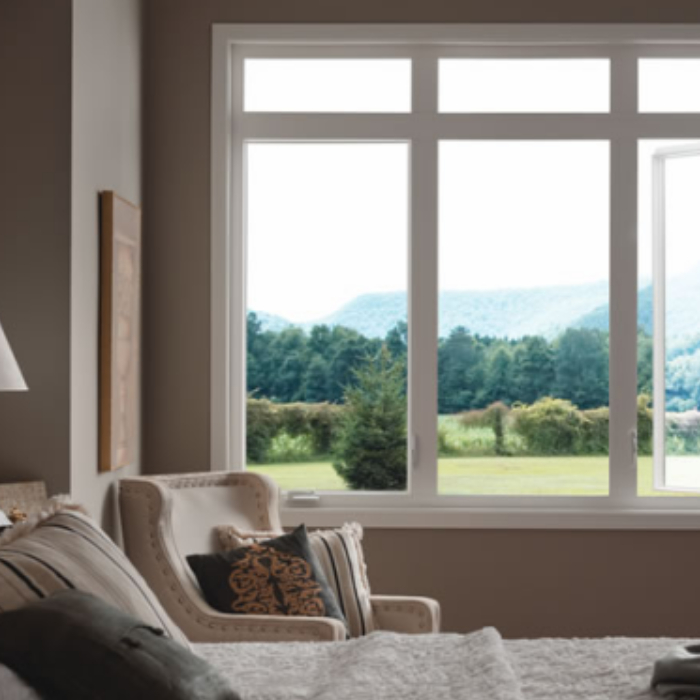

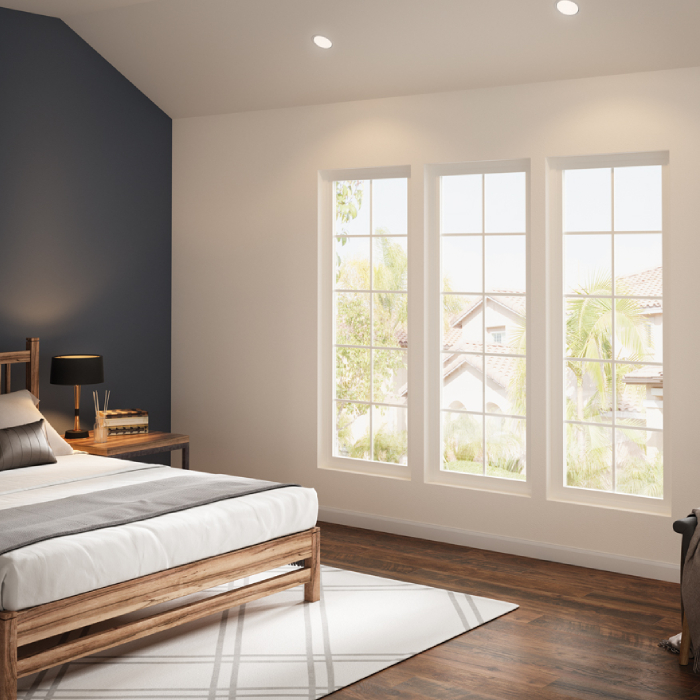

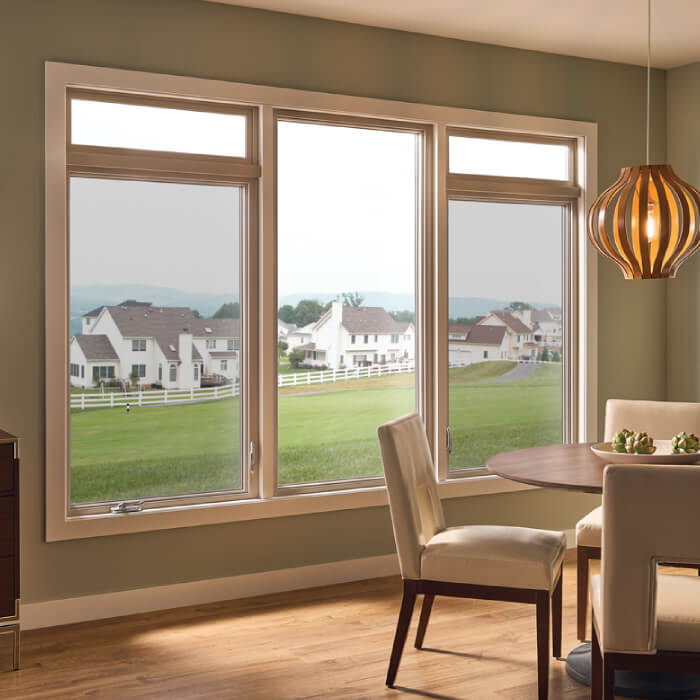
Window-related energy loss occurs when inefficient windows allow excessive heat transfer, air infiltration, or thermal leakage between your home's interior and exterior, directly increasing heating and cooling costs. According to the Department of Energy (2024), windows account for 25-30% of residential heating and cooling energy use, making them a critical component of your home's thermal envelope.
Why Window Energy Efficiency Matters for Your Utility Bills

Understanding how to tell if windows are causing high energy bills is essential for maintaining home comfort and controlling energy consumption patterns. Poor window performance forces your HVAC system to work harder, leading to frequent cycling and increased electricity usage. The National Fenestration Rating Council confirms that replacing single-pane windows with ENERGY STAR certified double-pane windows can reduce energy bills by 12-24% annually (2024).
Windows serve as both barriers and conduits for energy. When window seals fail or glass panes lack proper insulation, your home loses thermal resistance, creating energy waste that manifests as expensive utility bills and uncomfortable rooms.
Key Characteristics of Energy-Inefficient Windows

The signs your windows are wasting energy fall into three categories: visual indicators, physical symptoms, and performance issues.
Visual Warning Signs of Faulty Windows
- Condensation between window panes: Moisture between glass layers indicates seal failure in insulated glass units (IGU), eliminating the insulating properties of argon gas or krypton gas fills
- Foggy windows or cloudy glass: Between-glass condensation creates a permanent haze that signals compromised thermal performance
- Peeling paint or rotting frames: Moisture issues around window frames, sash, jamb, or sill indicate air leakage and water damage
- Cracked glass or broken windows: Even small cracks compromise the window's thermal envelope and increase air infiltration
- Warped frames or stuck windows: Frame deterioration from moisture or age affects the weather stripping seal and caulking effectiveness
Physical Indicators of Poor Window Performance
- Cold drafts near windows: Air gaps around window frames allow cold air infiltration during winter months
- Hot rooms in summer: Excessive solar heat gain through windows without low-E coating increases cooling costs
- Temperature differentials: Cold rooms or hot rooms indicate inadequate thermal resistance from window glazing
- Ice formation on interior glass: Interior condensation that freezes signals extreme heat escape and poor insulation value
- Faded furniture or discolored flooring: UV damage from windows lacking UV ray protection demonstrates sun damage and insufficient visible transmittance control
Performance Symptoms of Window Energy Loss
- Rising energy costs without increased usage: Utility bill increases despite consistent habits suggest window deterioration
- HVAC running constantly: Systems that never reach thermostat settings often compensate for window-related energy problems
- Difficulty maintaining temperature control: Constant thermostat adjustments indicate thermal leakage through aging windows
- Seasonal energy bill spikes: Dramatic increases in heating bills or excessive cooling costs correlate with inefficient windows
- Outside noise transmission: Sound transmission through windows often accompanies air leaks and poor sealing
How Windows Cause Energy Waste: Mechanisms Explained
Understanding heat transfer through windows helps identify window insulation problems. Three primary mechanisms drive window energy loss:
1. Conductive Heat Transfer Through Glass and Frames
Heat moves directly through window materials via conduction. Single-pane windows offer minimal thermal resistance, while double-pane windows and triple-pane windows create insulating barriers. The U-factor measures this heat transfer rate—lower U-factor values indicate better insulation. Window frames also conduct energy; aluminum windows transfer heat rapidly, while vinyl windows, wood windows, and fiberglass windows provide superior thermal performance.
2. Air Infiltration and Drafty Windows
Air leakage occurs when drafty home conditions result from gaps in weather stripping, failed caulking, or poorly sealed windows. Air infiltration allows cold drafts in winter and hot air entry in summer. According to the Department of Energy (2024), air leaks around windows can account for 10-20% of total heating and cooling energy loss. Leaky windows compromise the entire building performance strategy.
3. Radiative Heat Transfer and Solar Gain
Windows transmit infrared light and UV rays, affecting indoor temperatures. The solar heat gain coefficient (SHGC) measures how much solar radiation passes through windows. Windows without low-E coating allow excessive heat retention in summer and heat escape in winter. The R-value indicates a material's thermal resistance to radiative transfer—higher R-values mean better energy efficient windows.
Diagnostic Methods: Testing Windows for Energy Loss
DIY Window Efficiency Testing
Homeowners can perform several tests to identify window problems:
- Visual inspection: Examine window seals, spacer bars, desiccant condition, and window muntins for visible damage
- Hand draft test: Hold your hand near window edges on windy days to detect air gaps and draft detection
- Candle flame test: Move a lit candle around window perimeters; flickering indicates air leaks
- Dollar bill test: Close a dollar bill in the window; if you can pull it out easily, weather stripping has failed
- Condensation monitoring: Track interior condensation, exterior condensation, and between-glass condensation patterns
Professional Window Energy Assessment
A comprehensive energy audit provides definitive answers about troubleshooting high energy costs from windows. Professional inspectors use specialized equipment:
- Thermal imaging camera: Infrared technology reveals temperature differentials and thermal leakage patterns around window assemblies
- Blower door test: Pressurization testing measures air infiltration rates and locates specific leaky windows
- Infrared thermography: Using thermal imaging to check windows identifies insulation gaps invisible to the naked eye
Many utility company programs offer subsidized home energy audits. Newman Windows and similar window specialists can perform professional window energy assessments to calculate heat loss through windows and recommend solutions.
Understanding Window Energy Ratings
NFRC labels provide standardized window efficiency ratings. Key metrics include:
| Rating | Measurement | Ideal Range | Impact on Energy Bills |
|---|---|---|---|
| U-Factor | Heat transfer rate | 0.20-0.30 | Lower values reduce heating bills |
| SHGC | Solar heat gain | 0.25-0.40 (cooling climates) | Lower values decrease cooling costs |
| Visible Transmittance | Light transmission | 0.40-0.70 | Affects daylighting and comfort |
| Air Leakage | Air infiltration rate | ≤0.30 | Lower values improve climate control |
Determining window U-factor importance depends on your climate zone. Understanding SHGC ratings for windows helps select appropriate window glazing for regional conditions.
Common Misconceptions About Window Energy Efficiency
Myth vs. Reality: Window Energy Performance
Myth: All double-pane windows provide equal energy savings.
Reality: Window quality varies significantly. Double pane vs triple pane energy savings differ, and features like low-E coating benefits for energy bills and argon gas filled windows energy performance create substantial efficiency variations.
Myth: Windows only affect energy bills in extreme temperatures.
Reality: How aging windows affect energy bills occurs year-round through continuous air leakage, regardless of season. Poor insulation creates energy waste during mild weather when HVAC systems cycle to maintain comfort.
Myth: New windows always provide positive ROI immediately.
Reality: ROI on energy efficient window installation typically requires 8-15 years, depending on climate, existing window condition, and energy prices. However, symptoms of energy inefficient windows indicate when replacement benefits exceed costs.
Myth: Window replacement is the only solution to high energy costs.
Reality: Sometimes energy loss prevention through weather stripping replacement, caulking renewal, or storm window installation suffices for moderate window issues before full window replacement becomes necessary.
Window Types and Materials Comparison
Most Energy Efficient Window Types
Comparing old vs new window efficiency reveals significant technological improvements. Modern window options include:
- Single-pane windows: Outdated windows with R-value of 0.9; do single pane windows increase energy costs by 50-100% compared to modern alternatives
- Double-pane windows: Standard energy efficient windows with R-value of 2.0-3.0; reduce heating and cooling costs by 20-30%
- Triple-pane windows: Premium option with R-value of 3.0-5.0; best windows for reducing energy costs in extreme climates
Frame Material Energy Performance
- Vinyl windows for energy efficiency: Non-conductive material with excellent thermal performance and low maintenance
- Fiberglass windows for energy savings: Superior strength-to-weight ratio with minimal thermal expansion
- Wood windows: Natural insulating properties but require maintenance to prevent rotting frames
- Aluminum windows: High conductivity makes them poorest thermal performers unless thermally broken
- Composite windows: Combined materials optimize both structural integrity and insulation value
When to Replace Windows vs. Repair: Practical Decision Framework
Indicators That Window Replacement Is Necessary
When should I replace my windows for energy savings? Consider replacement when:
- Can old windows double your energy bills? If current windows cause 40%+ energy cost increases, replacement provides clear ROI
- Multiple windows show seal failure, foggy glass, or moisture between panes
- Window frames exhibit significant rotting, warping, or structural compromise
- Windows exceed 20-year window lifespan in harsh climates
- Single-pane windows remain in heating-dominant or cooling-dominant climate zones
Warning Signs of Window Problems Requiring Immediate Attention
Identifying windows that need replacement urgently includes:
- Difficult to open windows or stuck windows creating safety hazards
- Broken windows or cracked glass compromising security
- Visible water damage causing interior wall deterioration
- Excessive window condensation problems leading to mold growth
- Constant window noise indicating complete seal failure
Practical Applications: Reducing Energy Bills Through Window Improvements
Immediate Energy Loss Prevention Strategies
- Air sealing: Apply fresh caulking around stationary window components and replace weather stripping on operable sections
- Window treatments: Install cellular shades or thermal curtains to add R-value and reduce heat retention or loss
- Storm windows: Add exterior or interior storm windows to create additional air spaces and improve insulating properties
- Window film: Apply low-E film to existing windows for improved UV ray blocking and solar heat gain coefficient reduction
Long-Term Solutions for Maximum Energy Savings
How to reduce energy bills with new windows involves strategic planning. Energy savings from window replacement depend on selecting appropriate ENERGY STAR certified products matching your climate zone. Impact of poor windows on cooling costs in southern regions requires emphasis on low SHGC values, while how much do bad windows increase heating bills in northern climates necessitates prioritizing low U-factor ratings.
Are my windows responsible for high utility bills? A professional inspection with thermal imaging provides definitive answers. Home energy loss through inadequate windows represents controllable expense—addressing window defects through repair or replacement converts wasted energy into measurable savings while improving home comfort and indoor temperature control.