





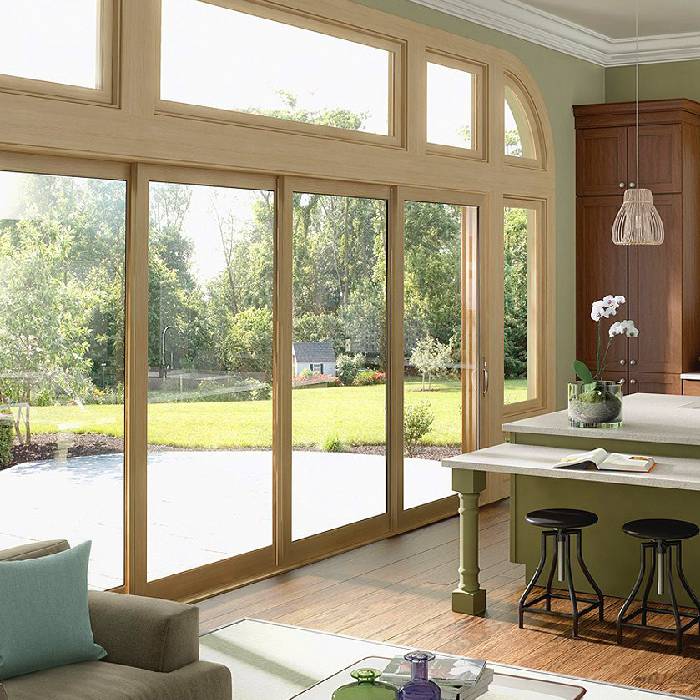
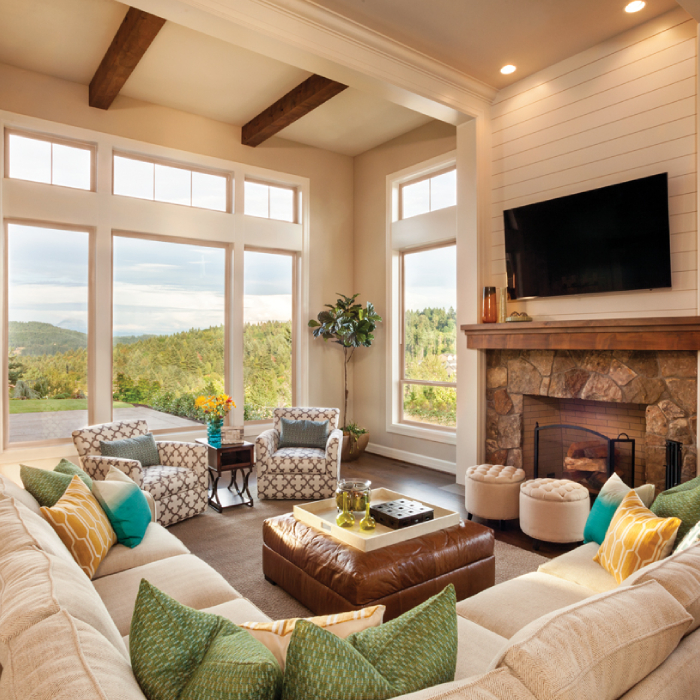
Selecting impact-resistant windows for hurricanes and fire-rated glass for wildfire-prone areas protects homes from extreme weather while meeting strict building codes. This intermediate-level guide enables homeowners to choose windows for high wind coastal zones and wildfire defense windows in 2-4 weeks through systematic evaluation of glass types, frame materials, and performance standards.
Before You Begin: Essential Prerequisites

Required Preparation:
- Obtain local building code requirements from Building Officials and Code Administrators
- Schedule consultation with certified window installer familiar with coastal building codes and wildfire building standards
- Document your property's fire severity zones and hurricane zones designation
- Budget $800-2,500 per window for hurricane protection windows or fire resistant glazing (According to American Architectural Manufacturers Association, 2024)
- Review Miami-Dade County approval requirements if in Florida coastal homes or NOA certification for high-wind regions
Step 1: Assess Your Location-Specific Hazards

Identify whether your property faces saltwater corrosion, wind-borne debris, ember attack, or radiant heat exposure. Properties within one mile of ocean require coastal window protection against salt spray testing conditions. According to the National Fire Protection Association (2024), homes in the Wildland-Urban Interface need windows that withstand flying debris coastal storms and ember intrusion prevention windows.
Action Items:
- Determine if your home sits in hurricane zones Category 3-5 or California wildfire zone window requirements Tier 2-3
- Measure distance from saltwater to assess marine environment windows needs
- Check Design Pressure rating requirements for your wind load zone (typically DP30-DP50 for coastal areas)
- Verify Wildland-Urban Interface classification with local fire marshal
Step 2: Understand Glass Types for Extreme Weather Protection
Different disaster-resistant windows serve specific functions. Laminated glass consists of two layers bonded with a polymer interlayer that prevents glass breakage even under impact. Tempered glass undergoes heat treatment for 4x strength of annealed glass but shatters completely when broken. For comprehensive protection in dual-threat regions, consider tempered window glass California suppliers who specialize in multi-hazard solutions.
Glass Type Selection Matrix
| Glass Type | Primary Hazard | Key Feature |
|---|---|---|
| Impact-resistant glass (laminated) | Hurricane, debris impact protection | Holds together when shattered |
| Fire-rated glass (ceramic) | Wildfire radiant heat | Withstands 1,400°F+ for 20-90 minutes |
| Tempered glass | Thermal stress, wind pressure | Heat-strengthened glass resists temperature fluctuations |
| Dual-pane windows with Low-E coating | UV radiation, energy loss | Reflects 90% UV, improves thermal performance glass |
Step 3: Evaluate Frame Materials for Corrosion and Fire Resistance
Frame selection impacts long-lasting glazing performance as much as the glass itself. Aluminum frames with thermal break frames technology prevent heat transfer while resisting salt-resistant glass degradation. Vinyl frames offer excellent corrosion-proof frames properties but may warp under extreme heat. Fiberglass frames provide superior strength-to-weight ratios for storm-resistant glass applications (According to Safety Glazing Certification Council, 2024).
Coastal Zone Recommendations: Choose aluminum frames with marine-grade powder coating or fiberglass frames with UV-resistant windows coatings. Avoid wood frames unless treated with moisture-resistant seals and corrosion-resistant windows hardware.
Wildfire Zone Recommendations: Select composite frames rated Class A fire rating or metal frames with fire barrier windows integration. Ensure weatherstripping and gasket systems use non-combustible materials.
Step 4: Review Building Code Requirements and Certifications
Code-compliant glazing varies by jurisdiction. Florida Building Code mandates impact testing to ASTM E1996 and ASTM E1886 for approved hurricane windows. California Building Code Chapter 7A specifies flame spread resistance and ember-resistant glass standards for fire zone compliance (International Building Code, 2024).
Essential Certifications to Verify:
- ASTM International impact windows certification for wind-borne projectile resistance
- NFPA 80 or NFPA 257 for fire-tested windows and fire-safe windows applications
- Miami-Dade NOA certification for Florida installations
- Safety glazing materials compliance under ANSI Z97.1 or CPSC 16 CFR 1201
Step 5: Calculate Performance Ratings for Your Climate
Design Pressure ratings measure structural glazing strength against wind loads. Coastal regions typically require DP40-DP50 ratings, meaning windows withstand 40-50 pounds per square foot wind pressure. Fire testing determines how long protective window coatings and multi-layer glass resist flame exposure before failure.
Performance Calculation Steps:
- Find your home's wind zone designation (typically Zone 3-4 for Texas coastal homes)
- Multiply basic wind speed by 1.3 for coastal exposure factor
- Select pressure-rated windows exceeding calculated Design Pressure by 20%
- For wildfire areas, specify Class A fire-rated windows for wildfares with 20-90 minute ratings
Step 6: Consider Energy Efficiency Features for Extreme Climates
Insulated glass units with argon gas fill reduce heat transfer by 30% compared to air-filled dual-pane windows (According to American Architectural Manufacturers Association, 2024). Low-E coating reflects infrared energy while allowing visible light transmission, crucial for coastal wildfire regions experiencing both salt air exposure and intense sun.
Energy-Efficient Glazing Upgrades:
- Triple-pane insulated glazing units for thermal performance windows in extreme weather glazing applications
- Argon-filled windows for fire zones reducing interior heat gain by 25%
- Choosing Low-E glass for coastal areas with condensation-resistant windows technology
- Edge sealing with silicone sealants preventing air infiltration prevention coastal windows failures
Step 7: Plan Installation with Proper Sealing and Anchoring
Professional installation ensures weather-tight seals and structural integrity. Mounting hardware must penetrate wall framing minimum 2.5 inches using anchor bolts rated for 150% of calculated wind loads. Apply silicone sealants continuously around perimeter, overlapping corners by 1 inch.
Installation Best Practices:
- Use structural fasteners spaced maximum 12 inches apart on all sides
- Install weatherstripping with compression seals achieving 0.3 CFM air leakage or less
- Apply protective window films on interior for shatter-resistant glass backup protection
- Conduct water penetration resistance hurricane windows testing before final approval
Troubleshooting Common Window Selection Issues
If experiencing condensation between panes: Replace failed edge sealing with upgraded spacer systems using moisture-resistant seals and verify argon gas fill integrity through heat soak testing.
If windows fail impact testing: Upgrade from single laminated layer to multi-pane glazing with minimum 0.090-inch interlayer thickness for certified impact windows compliance.
If budget constraints limit options: Prioritize ember-proof windows on vulnerable sides (downwind prevailing wildfire direction) and security glass on wind-facing coastal exposures. Consider how to maintain coastal impact windows through regular inspections rather than full replacement.
If unclear on local code: Contact Building Officials and Code Administrators directly or reference resources like regional building requirements for California properties to understand jurisdiction-specific standards.
Next Steps: Implementation and Long-Term Maintenance
After selecting appropriate storm protection systems, obtain minimum three quotes from installers certified by the American Architectural Manufacturers Association. Schedule installation during low-risk weather months (typically April-October for hurricane zones, November-March for wildfire areas). Establish annual maintenance schedule including silicone sealant inspection, weatherstripping replacement every 5 years, and gasket systems lubrication quarterly for long-lasting glazing performance.
Document all certifications, test reports, and warranties for insurance compliance and future reference when maintaining coastal impact windows or wildfire safe glass installations.