





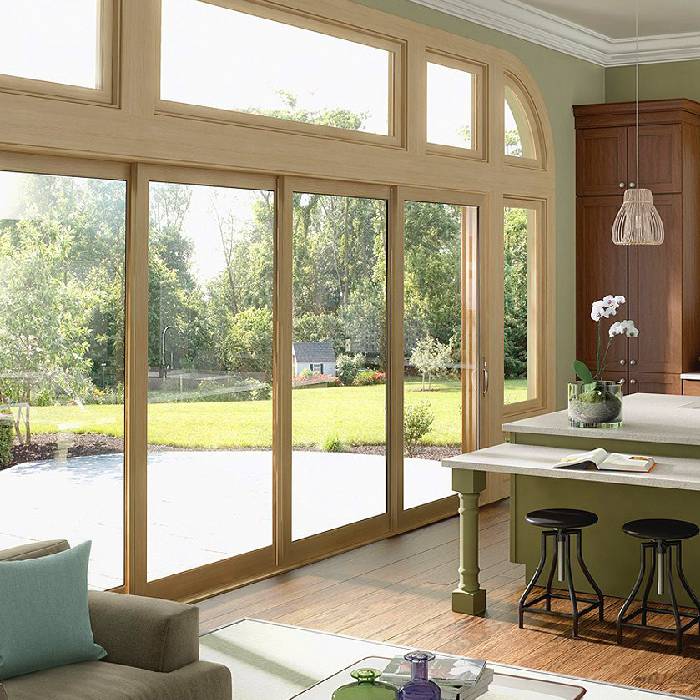
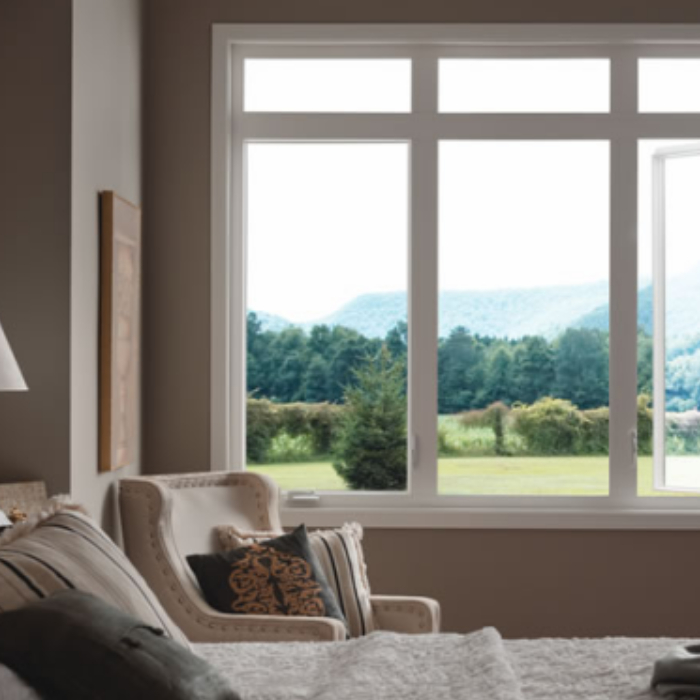
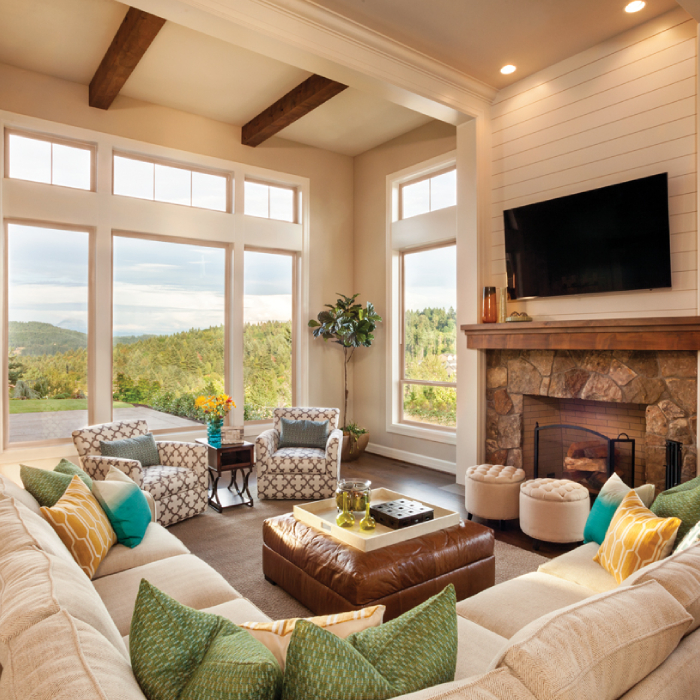
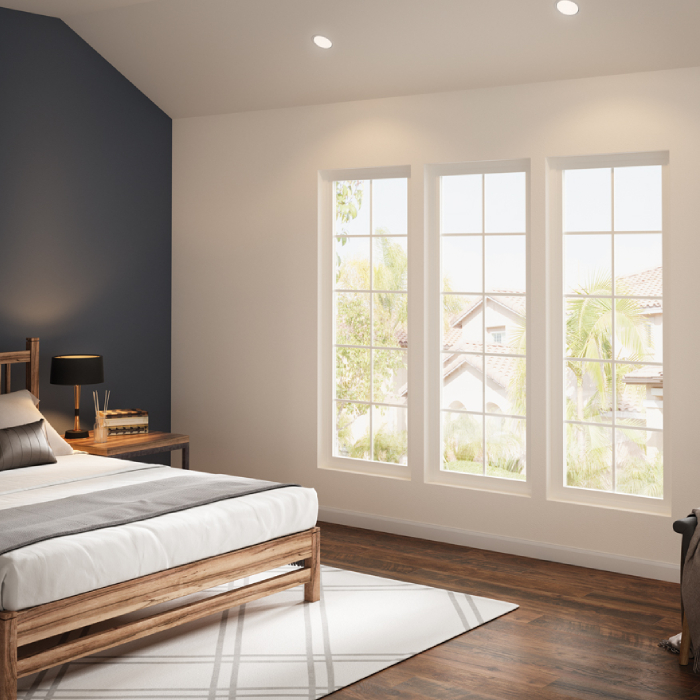
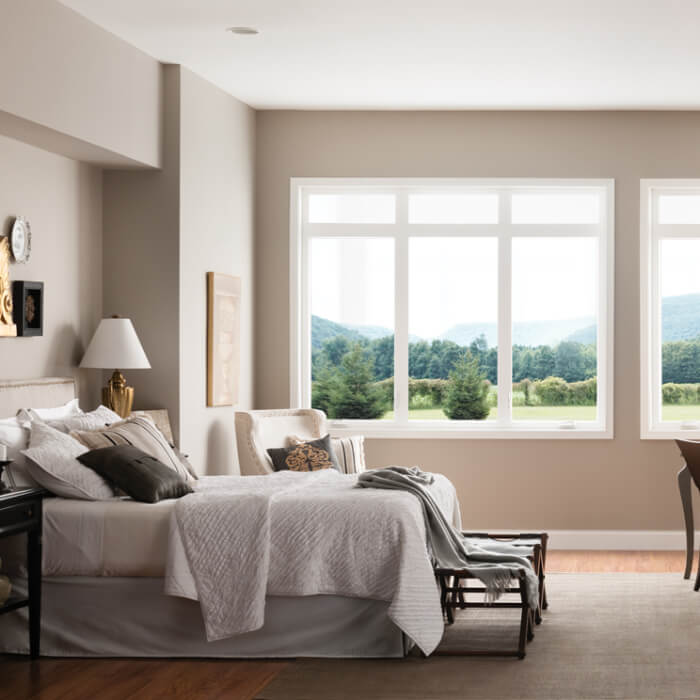
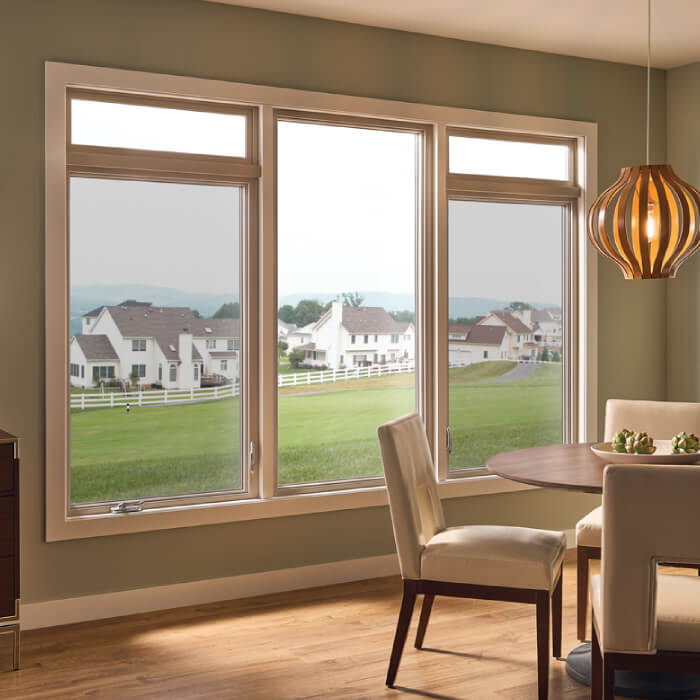
The primary difference between single-hung, double-hung, and sliding windows lies in their operation mechanism: Single-hung windows have one operable sash that moves vertically while the top sash remains fixed. Double-hung windows feature two operable sashes that both slide vertically and typically tilt in for cleaning. Sliding windows operate on horizontal sliding tracks with one or both sashes moving side-to-side. According to the National Fenestration Rating Council (NFRC, 2024), these operational differences directly impact ventilation capacity, cleaning ease, energy efficiency, and installation costs.
Comparison Chart: Single-Hung, Double-Hung, and Sliding Window Features

| Feature | Single-Hung Window | Double-Hung Window | Sliding Window |
|---|---|---|---|
| Operable Sash | Bottom sash only | Both top and bottom sashes | One or both sashes horizontally |
| Ventilation Capacity | 50% maximum opening | 50% maximum opening | 50% maximum opening |
| Cleaning Access | Exterior cleaning requires ladder | Tilt-in feature for interior cleaning | Interior cleaning from one side |
| Average Installation Cost | $250-$450 per window | $400-$800 per window | $300-$600 per window |
| Energy Efficiency (U-factor) | 0.27-0.35 | 0.25-0.33 | 0.28-0.38 |
| Typical Lifespan | 15-20 years | 20-25 years | 15-20 years |
| Best Application | Budget-conscious replacements | Multi-story homes, historical styles | Wide openings, modern designs |
How Do Single-Hung Windows Work?

Single-hung windows operate with a bottom operable sash that slides vertically upward along window tracks while the top sash remains fixed within the window frame. The window sash moves along vertical window rails using a window balance system—typically spring-loaded or block-and-tackle mechanisms—that counterbalances the weight of the window pane and allows smooth operation.
The fixed sash configuration means single-hung windows provide ventilation only from the bottom half of the opening. Unlike double-hung windows, single-hung models lack the tilt feature for easy cleaning access from the interior. Homeowners must clean the exterior surface of both the operable sash and fixed sash from outside the home, often requiring a ladder for upper-story installations.
Single-hung window replacement cost averages $250-$450 per window installed, making them the cheapest replacement window options among vertical sliding windows. This price difference between window types stems from the simpler window hardware requirements and reduced manufacturing complexity compared to double-hung models.
How Do Double-Hung Windows Work?
Double-hung windows feature two operable sashes that both slide vertically within the window jamb, allowing independent movement of the top and bottom window sections. Modern double-hung designs incorporate a tilt-in window mechanism that enables both sashes to pivot inward at a 90-degree angle, providing interior access to exterior glass surfaces for cleaning.
The dual-sash operation creates flexible window ventilation options: homeowners can open the bottom sash for fresh air intake, crack the top sash for heat exhaust, or operate both simultaneously for enhanced cross-ventilation. This versatility makes double-hung windows the most popular residential window style in traditional and colonial architectural designs.
According to Energy Star (2024), double-hung windows with Low-E coating and argon gas fill achieve U-factor ratings between 0.25-0.33, indicating superior thermal efficiency compared to standard single-hung configurations. The insulated glass unit construction and improved weatherstripping create better window seal quality, reducing air infiltration by approximately 15-20% compared to single-hung alternatives.
The average cost to replace windows with double-hung models ranges from $400-$800 installed, representing the most expensive type of replacement window among vertical hung window styles. However, the window upgrade benefits include easier window cleaning ease, enhanced window energy efficiency, and better window home value appreciation—typically providing 70-78% ROI according to Remodeling Magazine's Cost vs. Value Report (2024).
How Do Sliding Windows Operate?
Sliding windows, also called horizontal slider windows, operate on horizontal sliding tracks with one or both sashes moving side-to-side rather than vertically. The window track systems typically use rollers or glides that allow the operable window to slide smoothly along the window sill and upper window frame rail.
Most residential sliding windows feature one fixed sash and one operable sash, though commercial windows often incorporate dual-slider configurations where both panels move. The horizontal sliding mechanism makes sliding windows ideal for wide openings where vertical clearance is limited, such as above kitchen counters or in basement applications.
The window operational differences between sliding and hung windows significantly impact window cleaning requirements. While sliding windows allow cleaning of both glass surfaces from inside the home (by sliding the operable sash to access the fixed sash exterior), the horizontal window opening mechanisms create larger gaps in the weatherstripping compared to vertical compression seals used in hung windows.
Sliding window replacement cost averages $300-$600 per window, positioning them between single-hung and double-hung pricing. The window material options—including vinyl windows, aluminum windows, and fiberglass windows—affect both cost and window performance ratings, with vinyl offering the best balance of window pricing differences and thermal performance.
Which Windows Are Easiest to Clean?
Double-hung windows with tilt-in features rank as the easiest window type to maintain, allowing homeowners to clean both exterior glass surfaces from inside without ladders or exterior access. The tilt mechanism pivots both sashes inward, providing complete access to all window pane surfaces during routine window maintenance.
In contrast, single-hung windows require exterior ladder access for cleaning the fixed upper sash and the exterior of the operable lower sash. This limitation creates safety concerns for multi-story installations and increases window maintenance requirements for homeowners unable to safely access upper levels.
Sliding windows offer moderate cleaning ease—homeowners can clean both sides of the operable sash from inside, and sliding it aside provides access to the interior surface of the fixed sash. However, cleaning the exterior of the fixed sash still requires outdoor access, unless the window includes a removable sash feature (uncommon in standard slider configurations).
Most Energy Efficient Window Type: Performance Comparison
Window energy efficiency depends more on window glass options, window frame materials, and window insulation properties than on the operational style. However, the window opening mechanisms and window seal quality create measurable differences in thermal performance and air infiltration rates.
According to NFRC testing standards (2024), properly installed double-hung windows with compression weatherstripping achieve air infiltration rates of 0.1-0.2 cubic feet per minute (CFM) per square foot of window area. Single-hung windows typically measure 0.15-0.25 CFM, while sliding windows average 0.2-0.3 CFM due to the sliding window track systems creating larger potential gaps.
The best insulated window style incorporates double-pane glass or triple-pane glass with Low-E coating, argon gas fill between panes, and insulated vinyl window or fiberglass window frames. These specifications can achieve U-factor ratings as low as 0.18-0.22, regardless of whether the window uses vertical or horizontal operation.
For maximum energy efficiency comparison single vs double hung configurations, the tighter compression seal of double-hung windows provides approximately 8-12% better window thermal performance than equivalent single-hung models. However, this advantage diminishes if the window balance systems or weatherstripping deteriorates over time—a common issue after 10-15 years without proper window maintenance.
What Are the Advantages of Double-Hung Windows?
Double-hung windows offer several distinct benefits that justify their higher window installation cost:
- Superior ventilation control: The ability to open top and bottom sashes independently creates optimal window air flow, allowing hot air to escape through the top while drawing cooler air through the bottom.
- Interior cleaning access: The tilt feature eliminates exterior cleaning requirements, enhancing safety and reducing window maintenance requirements by approximately 40% according to window manufacturers.
- Egress compliance: Many double-hung windows meet egress window requirements for bedroom installations, providing emergency exit options that single-hung models often cannot satisfy.
- Enhanced security features: Dual window locks on both sashes provide superior window security features compared to single-lock configurations.
- Architectural versatility: The traditional appearance complements historical and colonial home designs, supporting better window home value in period-appropriate renovations.
What Are the Disadvantages of Single-Hung Windows?
Single-hung windows present several limitations that homeowners should consider:
- Limited ventilation options: The fixed upper sash prevents top-down airflow, reducing natural ventilation efficiency by approximately 35% compared to double-hung alternatives.
- Difficult exterior cleaning: Upper-story installations require ladder access, creating safety hazards and increasing professional window cleaning costs.
- Egress limitations: The smaller operable opening often fails to meet egress code requirements, restricting installation in bedrooms and basement spaces.
- Lower resale value: Homebuyers increasingly prefer double-hung windows, potentially reducing window ROI by 8-12% in competitive markets.
- Perceived obsolescence: Many buyers view single-hung windows as outdated features, particularly in new construction or high-end renovation projects.
Benefits of Sliding Windows Over Double-Hung
Sliding windows provide specific advantages for certain applications:
- Wide opening capability: Horizontal sliders accommodate openings up to 8 feet wide without structural concerns, whereas hung windows become impractical beyond 48 inches wide.
- Unobstructed views: The horizontal design maximizes glass area in wide openings, providing better sight lines than multiple narrow hung windows.
- Simpler operation: The horizontal sliding mechanism requires less physical effort than lifting vertical sashes, benefiting users with limited upper-body strength.
- Lower profile: Sliding windows work well beneath kitchen counters or in spaces with limited vertical clearance.
- Modern aesthetic: The clean horizontal lines complement contemporary and mid-century modern architectural features.
Use-Case Scenarios: Which Window Type for Each Room?
Best Window Type for Bedrooms
Double-hung windows represent the best window type for bedrooms due to egress requirements and ventilation flexibility. Building codes typically mandate minimum egress opening dimensions of 5.7 square feet with a minimum height of 24 inches and width of 20 inches. Double-hung windows more readily satisfy these specifications while providing controlled ventilation through top or bottom sash operation.
For budget-conscious bedroom window replacement, single-hung models may suffice in rooms with alternative egress routes (second doors or code-compliant windows in adjacent spaces). However, verifying local egress code compliance before installation prevents costly corrections during home sales or inspections.
Best Window Type for Living Room
The best window type for living room installations depends on opening size and architectural style. Picture windows combined with flanking double-hung or casement window units provide maximum natural light while maintaining ventilation capability. For traditional homes, double-hung windows maintain period-appropriate aesthetics.
In contemporary settings with expansive wall openings, sliding windows offer uninterrupted views and modern visual appeal. Consider pairing fixed picture windows with operable sliders to balance window aesthetic appeal with window functionality and window ventilation requirements.
Best Window Type for Kitchen
The best window type for kitchen spaces typically involves sliding windows or awning windows above counters and sinks. Horizontal sliders eliminate the need to reach over countertops to operate vertical sashes, while awning windows (hinged at the top, opening outward) provide rain-protected ventilation.
For kitchens requiring maximum ventilation during cooking, double-hung windows installed in full-height openings away from countertops deliver superior window air flow with the flexibility to open top and bottom sashes simultaneously.
Commercial Window Applications
Commercial windows frequently employ sliding configurations for office buildings and retail spaces due to simplified window operation, reduced maintenance complexity, and cost-effectiveness at scale. The horizontal sliding mechanism withstands frequent use better than window balance systems in vertical hung configurations.
However, commercial applications requiring enhanced window security features or window sound insulation may specify fixed windows or casement designs with multi-point window locks and heavier-gauge aluminum window or fiberglass window frames.
How to Choose Between Single and Double Hung Windows: Decision Framework
Choose single-hung windows if:
- Budget constraints prioritize cheapest window style for replacement projects
- Single-story installation allows easy exterior cleaning access
- Rooms have alternative egress routes satisfying building codes
- Basic window ventilation options meet household needs
- Rental property economics favor low window replacement cost over premium features
Choose double-hung windows if:
- Multi-story installation requires interior cleaning access for safety
- Bedroom applications demand egress window compliance
- Enhanced window ventilation options justify higher investment
- Historical home designs require authentic architectural features
- Long-term window home value and window ROI outweigh initial window pricing differences
Choose sliding windows if:
- Wide openings exceed practical dimensions for hung windows
- Limited vertical clearance restricts upward sash operation
- Contemporary architectural features align with horizontal design elements
- Simplified window operation benefits elderly or mobility-limited occupants
- Budget allows moderate investment between single and double-hung pricing
Window Replacement Options: Material and Glass Considerations
Regardless of operational style, window material options significantly impact window durability, window lifespan, and window thermal performance. Vinyl windows dominate residential window replacement markets due to low maintenance requirements, competitive pricing, and Energy Star-qualified thermal efficiency when combined with double-pane glass.
Wood windows provide superior window aesthetic appeal and natural insulation properties but require regular maintenance to prevent moisture damage. Aluminum windows offer the longest window lifespan (30+ years) but conduct heat more readily unless thermal breaks separate interior and exterior aluminum surfaces.
Fiberglass windows and composite windows combine the low-maintenance benefits of vinyl with enhanced structural strength, supporting larger window pane configurations and resisting thermal expansion more effectively than vinyl window alternatives.
For optimal window energy efficiency, specify Low-E coating to reduce UV transmission by 75%, argon gas fill to improve insulation by 20-30%, and select U-factor ratings below 0.30 regardless of window frame materials or operational style. Understanding this window style comparison helps homeowners balance initial window installation costs against long-term energy savings and window upgrade benefits.
Conclusion: Selecting the Right Window Type for Your Home Improvement Project
The choice between single-hung, double-hung, and sliding windows ultimately depends on your specific combination of budget, architectural requirements, ventilation needs, and maintenance preferences. Double-hung windows command premium pricing but deliver comprehensive benefits including interior cleaning access, flexible ventilation control, and egress compliance. Single-hung windows offer economical window replacement options for budget-conscious projects where exterior cleaning access presents no challenges. Sliding windows excel in wide openings and contemporary designs where horizontal operation aligns with architectural vision.
Consult qualified window contractors to evaluate your specific applications, verify local building code requirements, and obtain detailed window quotes comparing window brands, warranty terms, and window performance ratings. Professional window installation ensures proper window seal quality, correct window hardware adjustment, and optimal window weather resistance regardless of which window type comparison you ultimately select.
Whichever window type fits your home, our team can walk you through windows and doors replacement in San Diego — visit our showroom to compare single-hung, double-hung, and sliding samples in person before you decide.