






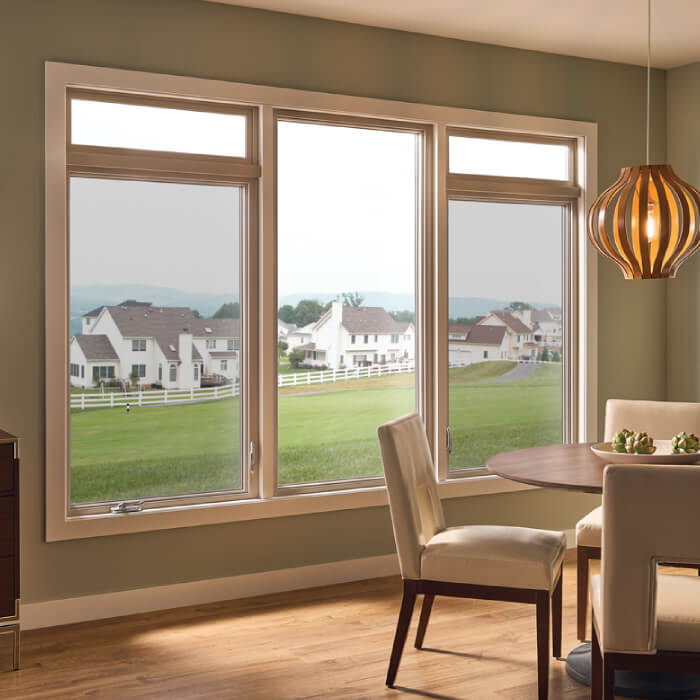

Dual-pane windows contain two layers of glass with a single air gap, while triple-pane windows contain three layers of glass with two air gaps. Both are types of insulated glass units designed to improve thermal insulation and reduce heat transfer compared to single-pane glass. The core distinction is window pane count: more glazing layers generally mean lower U-factor and better window insulation performance, but also higher upfront cost.
Why the Difference Matters for Energy Efficiency

Double-glazed windows, also called dual-pane windows, became the residential standard in North America by the 1990s, replacing single-pane glass. As of 2025, triple-pane windows are gaining market share in cold climates due to rising energy costs and stricter building codes. According to the U.S. Department of Energy (2024), windows account for 25–30% of residential heating and cooling energy use, making window U-value a critical factor in HVAC efficiency and overall home insulation strategy.
Key Characteristics of Dual-Pane vs. Triple-Pane Windows
- Glazing layers: Dual-pane = 2 layers; triple-pane = 3 layers of window glass.
- Window air gaps: Dual-pane has one gap; triple-pane has two, typically filled with argon gas or krypton gas.
- U-factor: Dual-pane windows average 0.30–0.40; triple-pane windows average 0.15–0.25 (Energy Star, 2024).
- R-value: Triple-pane windows offer roughly 40–50% higher R-value than dual-pane equivalents.
- Weight and thickness: Triple-pane units are 30–50% heavier due to added window pane thickness, requiring reinforced window frame materials.
Comparison Table: Dual-Pane vs. Triple-Pane Windows
| Feature | Dual-Pane Windows | Triple-Pane Windows |
|---|---|---|
| Glass Layers | 2 | 3 |
| U-Factor | 0.30–0.40 | 0.15–0.25 |
| Noise Reduction | Moderate | High |
| Average Cost per Window | $300–$700 | $450–$1,000 |
| Best Climate Zone | Mild to moderate | Cold/extreme |
How Dual-Pane and Triple-Pane Windows Work
- Glass layering: Two or three panes of tempered window glass are sealed together with window spacers that maintain a fixed gap.
- Gas fill: The gap is injected with argon gas or krypton gas, both denser than air, to slow conductive heat transfer.
- Low-E coating: A microscopic Low-E coating reflects infrared heat while allowing visible light through, improving the solar heat gain coefficient.
- Sealing: Edges are sealed to prevent gas leakage and control window airtightness, which also reduces window condensation issues.
- Framing: The completed insulated glass unit is set into a frame—commonly vinyl frames, fiberglass frames, wood frames, or aluminum frames—to complete the window assembly.
Common Misconceptions About Window Pane Count
Myth: Dual-Pane Windows Aren't Energy Efficient Enough
Reality: Are dual-pane windows good enough for energy savings? In moderate climate zones, dual-pane windows with Low-E coating and argon fill can meet Energy Star performance ratings and deliver strong energy savings without the added cost of a third pane.
Myth: Triple-Pane Windows Always Pay for Themselves
Reality: Triple-pane windows return on investment depends on climate zone, local energy prices, and installation quality. In mild climates, the payback period can exceed 15–20 years, while cold-climate homeowners often recoup costs faster through reduced heat loss prevention needs.
Myth: More Panes Always Mean Better Soundproofing
Reality: Soundproofing windows depends more on glass thickness variation and gap width than pane count alone. A well-designed dual-pane window with asymmetric glass thickness can rival triple-pane noise reduction windows in some cases.
Dual-Pane vs. Triple-Pane Windows: Direct Comparison
The debate over double pane vs. triple pane windows centers on four factors: climate, noise, cost, and durability.
Dual-Pane vs. Triple-Pane for Cold Climates
Dual-pane vs. triple-pane windows for cold climates favors triple-pane in climate zones 5–8 (per DOE classification), where extreme heat loss prevention is essential. Triple-pane windows reduce interior surface condensation, addressing common triple-pane windows condensation prevention concerns in sub-freezing temperatures.
Best Window Type for Reducing Outside Noise
For the best window type for reducing outside noise, triple-pane windows with varied glass thickness outperform standard dual-pane units, typically reducing outdoor noise by 3–5 additional decibels according to manufacturer testing data.
Which Windows Are Better for a Hot Climate
Which windows are better for a hot climate? Dual-pane windows with a low solar heat gain coefficient and Low-E coating often perform adequately in climate zones 1–3, where cooling load—not heat retention—is the primary concern.
Cost Difference Between Double and Triple Pane Windows
The cost difference between double and triple pane windows typically ranges from $100 to $300 per window, depending on frame material and manufacturer. Homeowners evaluating window replacement cost should also factor in installation by certified window installation contractors, since improper sealing negates efficiency gains. For a deeper breakdown of pricing and performance, this comparison of dual-pane vs triple-pane windows outlines cost-per-benefit scenarios by region.
Practical Applications: Choosing Windows by Climate and Manufacturer
Major window manufacturers—including Andersen Windows, Pella Windows, and Milgard Windows—offer both dual-pane and triple-pane options certified under Energy Star performance ratings. When selecting climate-appropriate windows, consider:
- Cold regions: Triple-pane with krypton gas fill and fiberglass frames for maximum window U-value performance.
- Moderate regions: Dual-pane with argon gas fill and vinyl frames for balanced energy efficient window upgrades.
- Hot regions: Dual-pane with high-performance Low-E coating to limit solar heat gain.
- Noise-sensitive areas: Triple-pane or asymmetric dual-pane glazing near airports or highways.
Building codes in many U.S. states now reference specific U-factor comparison thresholds, making it essential to confirm local code compliance before finalizing a window energy efficiency comparison. Window durability and window lifespan also factor into the decision—triple-pane units often last 20–25 years with proper seal maintenance, comparable to quality dual-pane installations.