





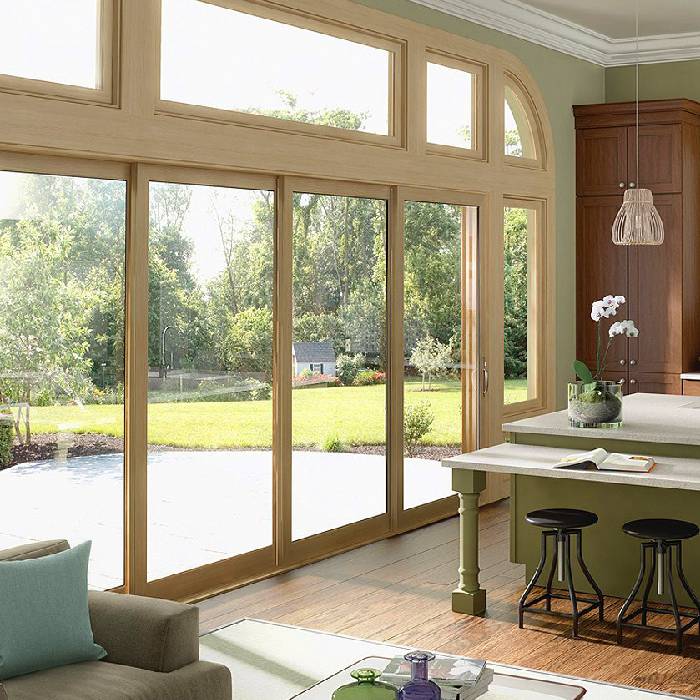
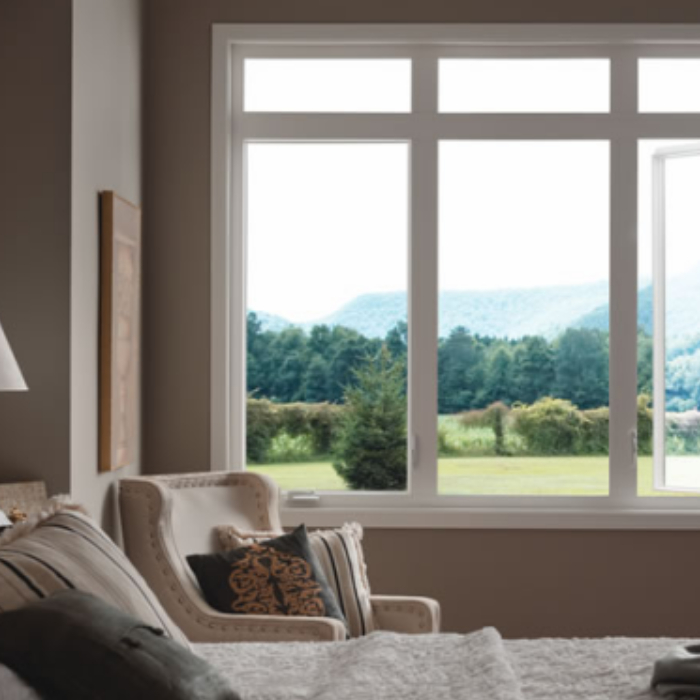

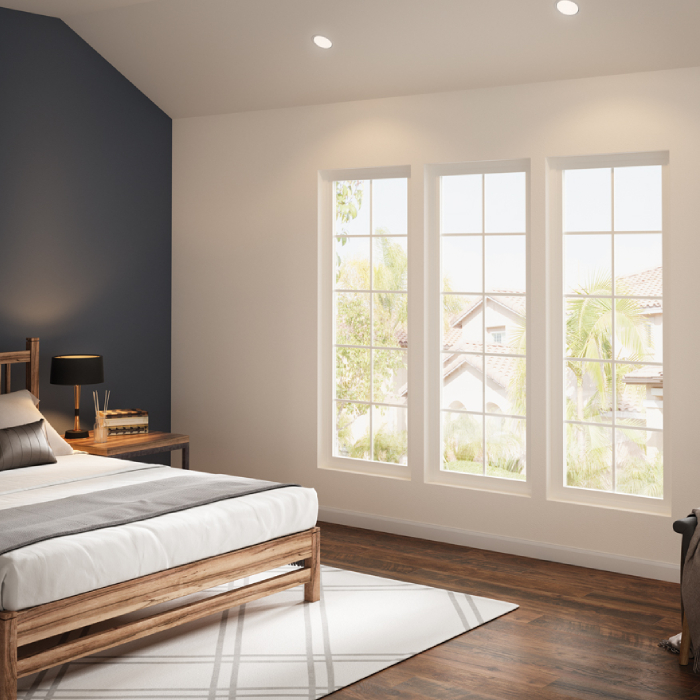

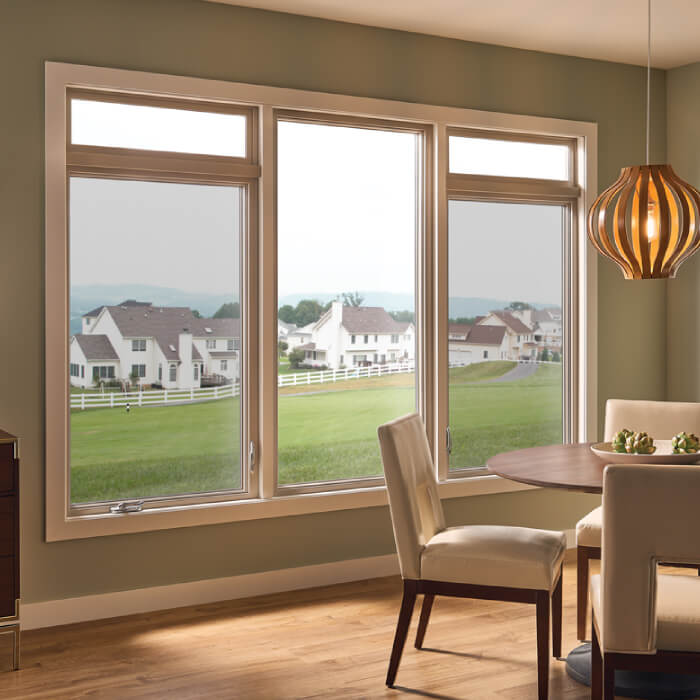
Retrofit window installation is a window replacement method that installs new windows into existing window frames without disturbing exterior trim, siding, or interior finishes. New construction window installation is a window installation technique that removes the entire window unit including the frame and attaches new windows directly to the rough opening using nailing flanges. Understanding these window installation methods is critical for homeowners planning window replacement and builders selecting appropriate window attachment systems for residential construction projects.
Why the Installation Method Matters for Window Performance

The choice between retrofit window installation and new construction window installation affects energy efficiency, installation cost, project timeline, and long-term window performance. According to the National Fenestration Rating Council (NFRC), proper window installation reduces air leakage by up to 30% compared to improper installation techniques (NFRC, 2024). Retrofit installation methods preserve existing building envelope components, while new construction installation provides complete control over the window frame, window jamb, and rough opening dimensions. Professional window contractors evaluate existing window frames, siding condition, and building codes to recommend the optimal window installation process for each project.
Key Characteristics of Retrofit Window Installation
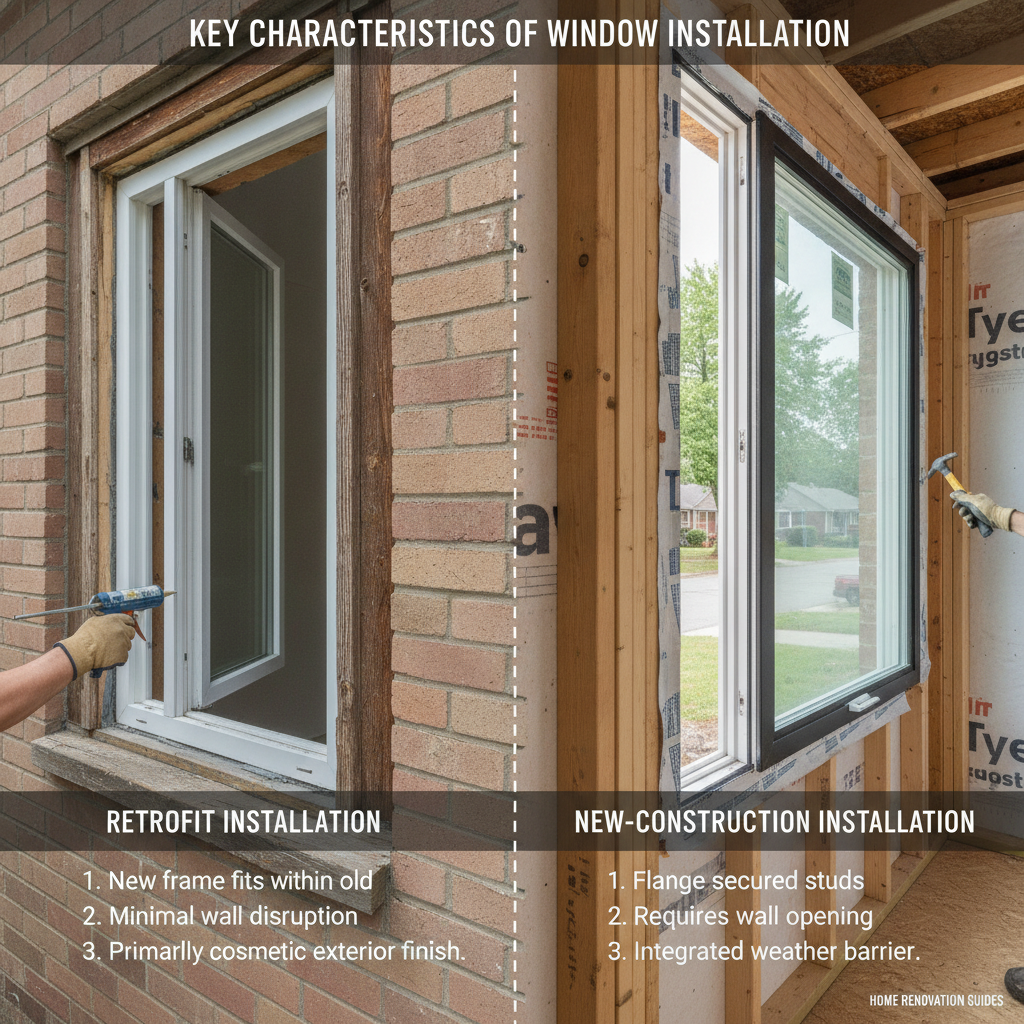
Professional illustration of Key Characteristics of Retrofit Window Installation
Retrofit replacement windows, also called insert replacement windows or pocket replacement windows, feature five defining characteristics:
- Frame-in-frame installation: New window units install inside existing window frames, preserving original window openings and exterior trim
- No nailing flange: Retrofit windows lack nail fins, attaching instead through the window jamb using compression seals and mechanical fasteners
- Minimal exterior disturbance: Installation occurs without removing siding, brick molding, or exterior cladding materials
- Reduced glass area: Insert windows typically reduce viewable glass by 1-2 inches per side compared to original window opening dimensions
- Faster installation timeline: Retrofit window installation takes 1-2 hours per window versus 3-4 hours for new construction window installation (industry standard, 2025)
Key Characteristics of New Construction Window Installation
New construction windows, also called nail fin windows or flange windows, exhibit these essential traits:
- Nailing flange attachment: Windows feature a nailing fin that fastens directly to wall studs in the rough opening
- Complete frame replacement: Full frame window replacement removes the entire window unit including the window sash, window frame, and window jamb
- Exterior material removal required: Installation demands removal and reinstallation of siding, stucco, or brick molding around window openings
- Maximum glass area: New construction windows maximize viewable glass area within the rough opening dimensions
- Enhanced weatherproofing: Direct attachment to building structure allows comprehensive flashing, caulking, and insulation integration
How Retrofit Window Installation Works
The retrofit installation process follows these sequential steps:
- Measurement and ordering: Window contractors measure existing window frame interior dimensions using window measurement techniques to order custom window installation units
- Interior preparation: Remove window sash, weatherstripping, and interior trim while preserving the existing window frame structure
- Frame inspection: Evaluate original window frame for rot, structural damage, or water infiltration requiring repair before window installation
- Insert placement: Position the new window unit inside the window pocket, ensuring square alignment and proper compression seal contact
- Securing and sealing: Attach window through jambs using mechanical fasteners, then apply window sealing methods including caulking and insulation to prevent air leakage
- Interior finishing: Reinstall or replace interior trim, completing the retrofit window installation without removing siding process
How New Construction Window Installation Works
New build window installation requires this comprehensive process:
- Complete removal: Extract entire window unit including frame, removing exterior trim and cutting back siding, brick molding, or J-channel materials
- Rough opening preparation: Inspect and repair rough opening framing, ensuring square dimensions and structural integrity per building codes
- Flashing installation: Apply waterproof flashing around the rough opening following window installation standards to prevent water infiltration
- Window positioning: Place new construction window with nailing flange into opening, verifying level and plumb alignment
- Nailing flange installation: Secure nailing flange to wall studs using appropriate fasteners at 6-8 inch intervals per window manufacturer specifications
- Weatherproofing and insulation: Apply window insulation techniques around the frame perimeter, seal with caulking, and install weatherstripping for optimal thermal performance
- Exterior finishing: Reinstall siding, brick molding, and exterior trim, integrating with building envelope weatherproofing systems
Common Misconceptions About Window Installation Methods
Myth: Retrofit windows always have lower energy efficiency than new construction windows.
Reality: According to window performance ratings standards, both installation methods can achieve identical U-factor and NFRC rating values when properly installed with quality window seal installation and insulation (Department of Energy, 2024).
Myth: You cannot install new construction windows in existing homes.
Reality: New construction window installation works in existing construction when homeowners accept siding removal requirements and associated costs, providing optimal results for severely damaged window frames.
Myth: Retrofit installation is always cheaper than new construction installation.
Reality: While retrofit window installation cost per window typically runs $200-400 versus $400-600 for new construction window installation, severely damaged frames requiring repair can eliminate retrofit cost advantages (Remodeling Magazine, 2025).
Retrofit vs New Construction: Direct Comparison
| Factor | Retrofit Installation | New Construction Installation |
|---|---|---|
| Best Application | Existing homes with intact frames | New builds, severe frame damage |
| Installation Time | 1-2 hours per window | 3-4 hours per window |
| Siding Disturbance | None required | Removal and reinstallation needed |
| Glass Area | Reduced by 1-2 inches per side | Maximum for rough opening |
| Attachment Method | Jamb mounting, compression seals | Nailing flange to studs |
| Average Cost (2025) | $200-400 per window | $400-600 per window |
| Window Types | Insert windows, pocket replacement | Nail fin windows, flange windows |
When to Use Retrofit Window Installation
Choose retrofit window installation for these residential window installation scenarios:
- Vinyl siding homes, brick homes, or stucco homes where exterior disturbance increases costs significantly
- Window upgrade projects prioritizing minimal disruption and faster completion timelines
- Situations where existing window frames remain structurally sound without rot or water damage
- Home remodeling projects with limited budgets requiring cost-effective window replacement methods
- Multi-story installations where exterior access complications increase new construction installation expenses
Homeowners comparing retrofit vs new construction windows should prioritize frame condition assessment over initial cost differences.
When to Use New Construction Window Installation
Select new construction window installation for these applications:
- New home construction and residential construction projects where walls remain unfinished
- Complete window replacement scenarios involving rotted or damaged window frames requiring full frame replacement
- Window renovation projects combining siding replacement with window upgrade for comprehensive building envelope improvements
- Situations demanding maximum viewable glass area and optimal window fitting methods
- Commercial construction applications requiring specific window attachment systems per building codes
Energy Efficiency Considerations
Both window installation types achieve excellent energy efficient windows performance when executed properly. The U-factor measuring window thermal resistance depends primarily on window technology—whether vinyl windows, wood windows, aluminum windows, fiberglass windows, or composite windows—rather than installation method. However, new construction installation enables more comprehensive window weatherproofing integration with building envelope insulation systems. Window manufacturers including Andersen Windows, Pella Windows, Marvin Windows, Milgard, and Simonton Windows produce both retrofit and new construction models with identical thermal performance ratings. For detailed comparisons of window materials affecting energy performance, see What Is the Best Type of Window for Energy Efficiency.
Choosing the Right Installation Method
Professional window installation requires evaluating frame condition, budget constraints, project timeline, and desired outcomes. Retrofit window installation provides cost-effective window replacement options for homes with sound existing frames, while new construction window installation delivers complete window system upgrade capabilities. Double-hung windows, casement windows, sliding windows, bay windows, and picture windows are available in both installation configurations, allowing window contractors to match installation methods to specific home renovation requirements. Understanding these window installation options ensures optimal window performance, energy efficiency, and long-term satisfaction.