





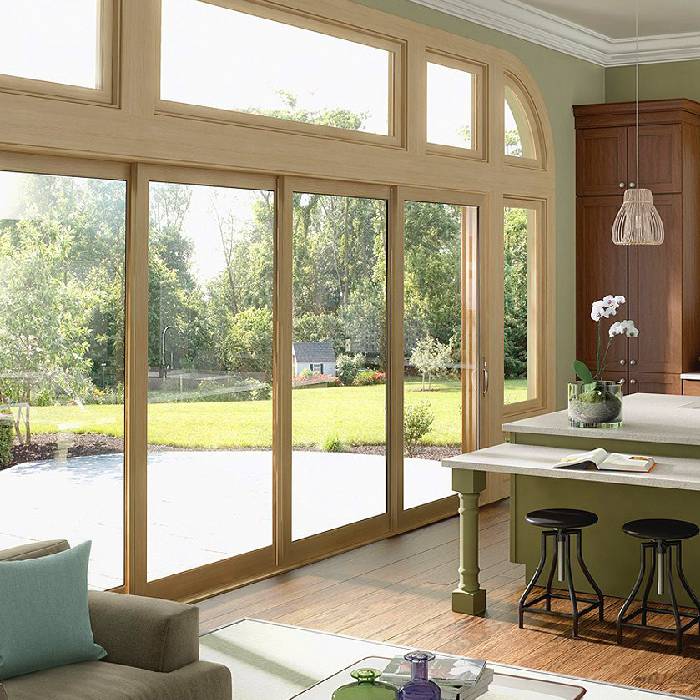
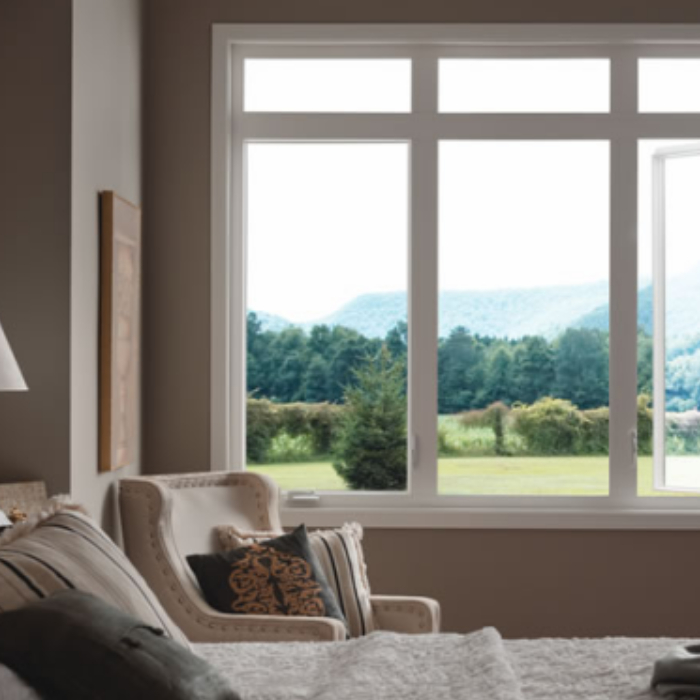
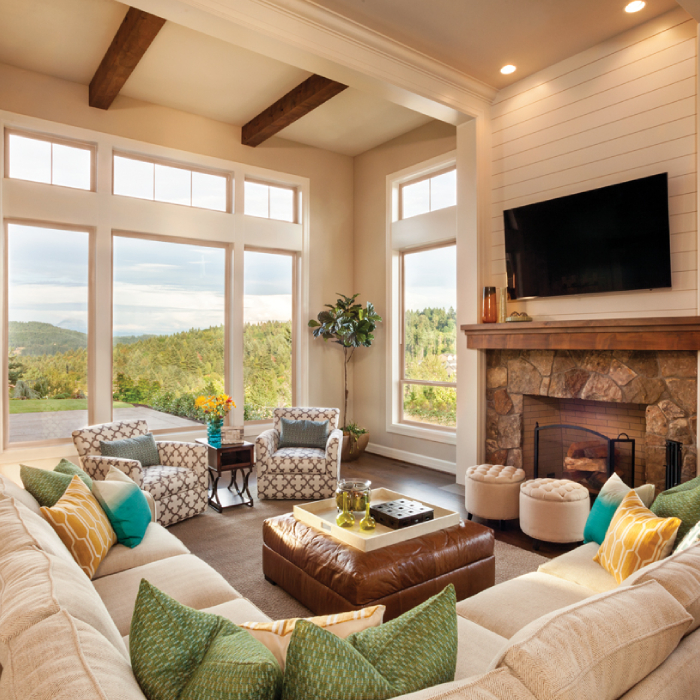
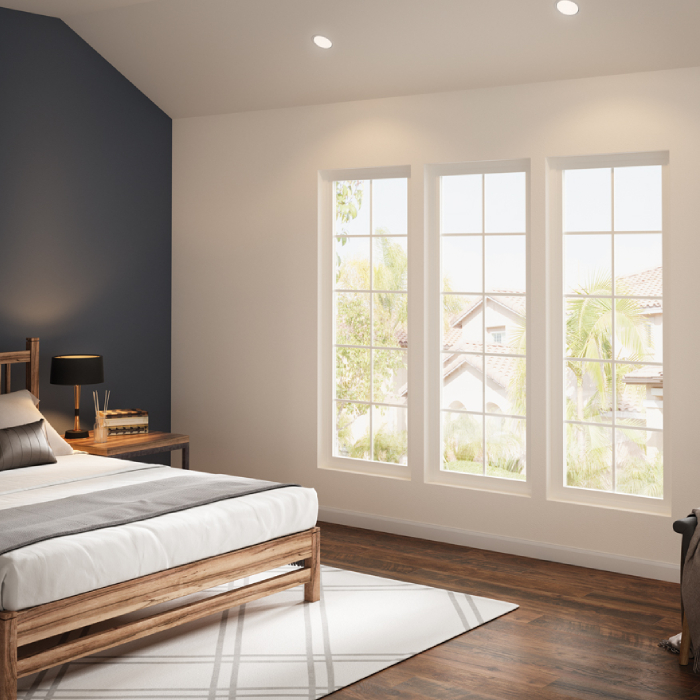
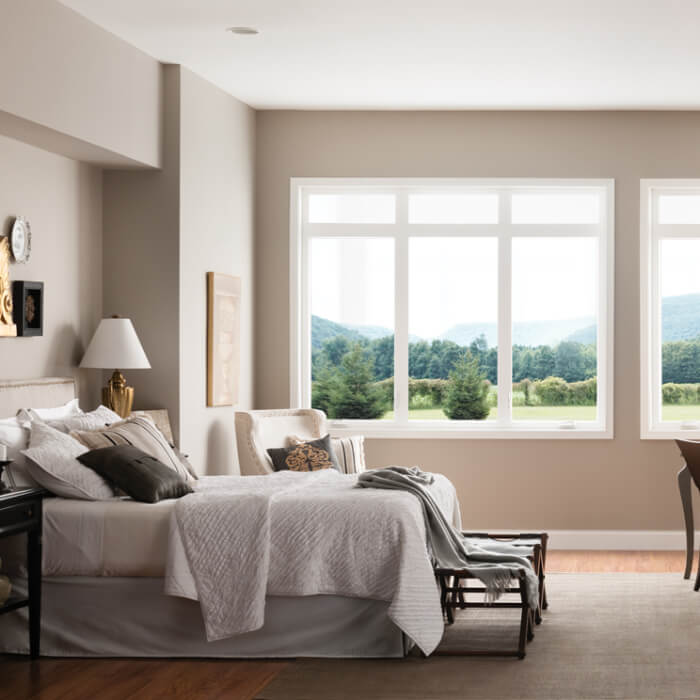
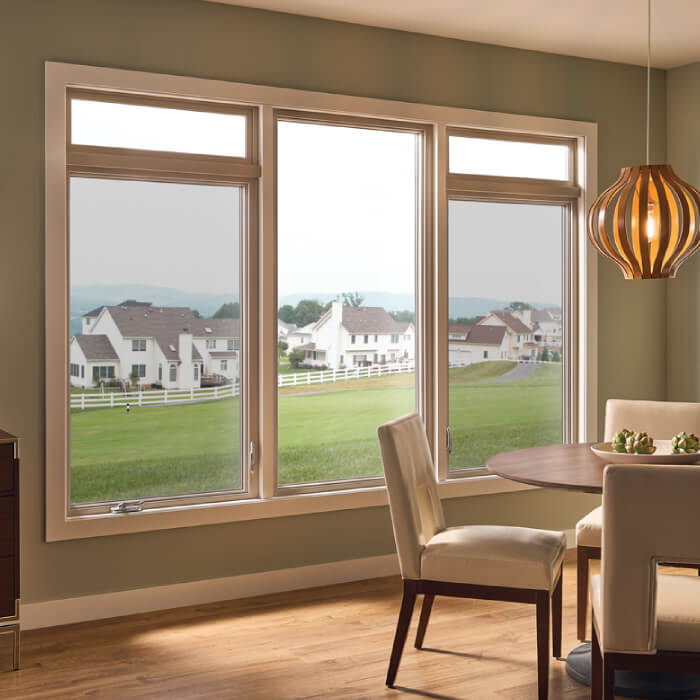
Vinyl windows are constructed from polyvinyl chloride (PVC) extrusions, fiberglass windows use glass reinforced plastic composite materials, and wood windows feature solid wood or engineered wood frames. Each window frame material offers distinct advantages in thermal performance, durability, maintenance requirements, and cost-effectiveness for residential windows.
Understanding Window Frame Materials

The primary difference between these window types lies in their manufacturing processes and material composition. Vinyl windows utilize rigid vinyl (uPVC) extruded into hollow frame profiles, providing affordable, low maintenance windows. Fiberglass windows consist of composite window frames made from glass fibers bonded with resin, creating exceptionally strong, insulated glass units. Wood windows employ hardwood or softwood species like pine windows, oak windows, or mahogany windows, offering traditional aesthetics and natural wood grain.
According to the National Fenestration Rating Council (NFRC), window frame types significantly impact overall window performance ratings, including U-factor, solar heat gain, and visible light transmittance. Energy Star certified window manufacturers like Andersen Windows, Pella, Marvin, Milgard, and Jeld-Wen produce all three materials to meet diverse climate suitability requirements.
Vinyl vs Fiberglass vs Wood Windows: Performance Comparison

| Factor | Vinyl Windows | Fiberglass Windows | Wood Windows |
|---|---|---|---|
| Thermal Performance | R-value 2.0-4.0 | R-value 3.0-5.0 | R-value 2.5-3.5 |
| Durability | 30-40 years | 40-50 years | 30-50 years (with maintenance) |
| Maintenance | Maintenance free | Low maintenance | High maintenance |
| Material Costs | Budget friendly windows | Premium windows | Luxury windows |
| Color Options | Limited, may yellow over time | Factory finished, fade resistant | Unlimited with paint or stain |
Key Characteristics of Each Window Material
Vinyl Window Frames: Affordable Energy Efficiency
Vinyl extrusion creates hollow chamber profiles that provide excellent window insulation without requiring paint finishes. These budget options deliver energy efficient windows through multi-chamber designs filled with insulating materials. Vinyl windows offer termite resistance and moisture resistant frames, eliminating wood rot concerns. However, thermal expansion from temperature fluctuations can affect structural integrity in extreme climates. Most vinyl windows feature double-pane glass or triple-pane glass with low-E coating and argon gas fills for enhanced insulation factor.
The main advantages of vinyl windows include zero painting requirements, weatherproof windows construction, and lowest maintenance window material status. Disadvantages include limited color choices, potential for color retention issues in direct sunlight, and reduced frame durability compared to fiberglass in coastal areas.
Fiberglass Windows: Premium Strength and Stability
Glass reinforced plastic provides the strongest window frame material available in residential applications. Fiberglass composite construction resists thermal expansion 800 times better than vinyl, maintaining air tight windows seals through extreme temperature fluctuations. These contemporary window styles offer superior impact resistance, UV resistance, and moisture resistance compared to other synthetic materials.
Fiberglass windows cost more than vinyl initially but provide better long-term value through extended window longevity (how long do fiberglass windows last: 40-50 years versus how long do vinyl windows last: 30-40 years). The material accepts field painted or stainable finishes, allowing custom made color choices while maintaining fade resistant properties. These premium options suit best windows for cold climates and best windows for hot climates equally well.
Wood Windows: Classic Aesthetics and Customization
Solid wood frames deliver unmatched architectural windows appeal with natural wood grain patterns. Wood species selection affects both aesthetics and performance—cedar windows and mahogany windows naturally resist rot better than pine windows. Many manufacturers offer aluminum-clad wood construction, combining wood's interior beauty with exterior weather resistance.
Wood windows provide the best windows for noise reduction due to material density and superior window sealing capabilities. Custom wood windows offer unlimited window configurations and finish options through paint or stain applications. However, maintenance requirements for wood windows include regular inspections for moisture damage, repainting every 5-7 years, and weatherstripping replacement to maintain draft free windows performance.
Energy Efficiency and Insulation Properties
Window insulation depends on both frame materials and glazing specifications. The NFRC U-factor measures heat transfer—lower numbers indicate better insulation properties. Fiberglass achieves the lowest U-factor window material ratings (0.15-0.30), followed by vinyl (0.20-0.35) and wood (0.25-0.40). All three materials accommodate multi-pane windows with krypton gas or argon gas fills.
Energy savings from window replacement vary by climate. According to Energy Star data from 2024, homeowners replacing single-pane windows achieve 20-30% reductions in heating costs and cooling costs. The best window material for energy efficiency depends on regional climate—fiberglass excels in temperature extremes, vinyl performs well in moderate climates, and properly maintained wood windows suit any environment.
Installation and Cost Considerations
Window pricing reflects material costs, installation difficulty, and customization level. Vinyl windows represent the most affordable window material ($300-$700 per window installed), fiberglass windows occupy mid-range to premium pricing ($500-$1,200 installed), and wood windows command luxury windows prices ($800-$2,000+ installed).
DIY installation works for standard vinyl or fiberglass windows in new construction. Professional installation by experienced contractors ensures proper window sash alignment, weatherstripping application, and window sealing for operable windows and fixed windows alike. Wood windows installation cost includes additional labor for custom fitting and finish work.
When comparing vinyl vs fiberglass windows, consider total lifecycle costs including window replacement options, maintenance expenses, and energy efficiency benefits over 20-30 years.
Common Misconceptions About Window Materials
Myth: Vinyl windows crack in cold weather.
Reality: Modern vinyl formulations resist cracking in temperatures down to -40°F, though older vinyl may become brittle.
Myth: You cannot paint vinyl windows.
Reality: Vinyl accepts specially formulated paints, though factory colors provide better color retention.
Myth: Wood windows always rot.
Reality: Properly maintained wood windows with aluminum cladding and regular paint finishes resist rot for decades.
Myth: Fiberglass windows price justifies choosing vinyl.
Reality: Fiberglass windows worth the extra cost in harsh climates due to superior structural integrity and lower replacement frequency.
Practical Applications by Use Case
For historic homes, wood windows or custom made fiberglass matching original profiles preserve architectural integrity. Modern homes benefit from vinyl or fiberglass contemporary window styles. Best windows for coastal areas include fiberglass or aluminum-clad wood for salt air resistance and pest resistance.
Budget-conscious homeowners seeking best low maintenance replacement windows choose vinyl for standard configurations. Those prioritizing highest quality window material and best resale value select fiberglass or premium wood windows. The most eco-friendly window material depends on manufacturing processes—look for recycled content in vinyl, sustainable forestry certification for wood, and low-emission production for fiberglass.
When upgrading from vinyl to fiberglass windows or replacing wood windows with vinyl, assess your priorities: immediate cost savings favor vinyl, long-term durability supports fiberglass, and aesthetic customization requires wood.