











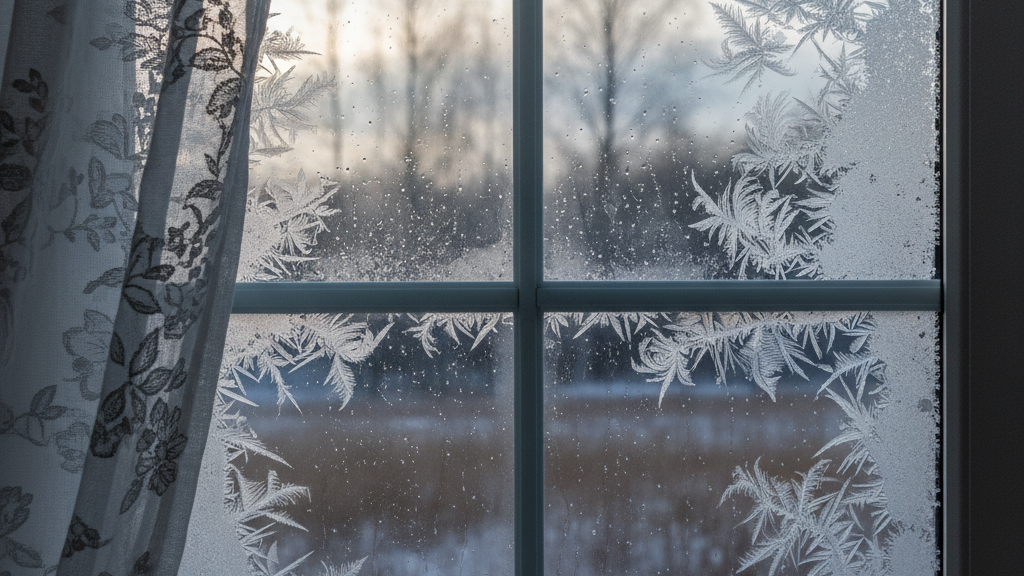
As temperatures begin to drop and winter approaches, now is the perfect window to give your home a little extra protection. At Newman Windows, we often advise homeowners that November offers a sweet spot for window maintenance. It is late enough that much of the summer wear and tear has already taken effect, but early enough to beat the worst of winter cold. In this post, we will explore why November is ideal for inspecting and sealing your windows, share practical steps you can take now, and show how professional support can help ensure your home stays comfortable and efficient all season long.
The Case for November: Timing Matters
Why not earlier, or wait until January? Choosing November offers several advantages:
- Moderate weather for working. The coldest weather has not yet set in, making outdoor caulking, sealant application, or inspections more comfortable and effective.
- Maximize energy savings. Sealing in November ensures your home is ready before the coldest stretches of winter, so your heating system does not have to fight drafts from day one.
- Catch issues before damage escalates. Cracks, gaps, or weakened seals that might go unnoticed earlier in fall become more visible by November. Addressing them now prevents moisture intrusion, air leakage, or further deterioration once freezing and thawing cycles begin.
- Better scheduling availability. Contractors schedules tend to free up before winter fully takes hold. Booking in November gives you more flexibility and avoids the rush later.
How Windows Can Leak Your Comfort and Money
Windows are one of the main sources of heat loss in homes. Poorly sealed or drafty windows can account for as much as 25 to 30 percent of winter heat loss in a typical home.
Here are common ways window leaks form over time:
- Deteriorating caulk or sealant
- Cracked or brittle weatherstripping
- Gaps between the window frame and wall structure
- Loose or warped sashes that no longer lock tightly
- Compromised seals in double or triple pane windows that lead to condensation or fogging
When these problems persist, your heating system works harder, energy bills rise, and comfort suffers. Moisture intrusion can also lead to mold, rot, or structural damage over time.
Step by Step: What to Inspect and Seal in November
Follow these steps to get the most from your November inspection and sealing project:
- Visual survey inside and outside. Walk around your windows and look for cracks, gaps, peeling caulk, or failing weatherstripping. Check both the inside and the exterior where the frame meets the siding or brick.
- Draft test. On a windy day, hold a thin strip of tissue near window edges. If it flutters, you have found an air leak.
- Check caulk and sealants. If existing caulk is cracked or brittle, remove it and apply new exterior grade silicone or polyurethane caulk. Make sure surfaces are clean before applying.
- Inspect and replace weatherstripping. Remove old weatherstripping, clean the area, and apply a fresh strip that fits your window style. Ensure the new weatherstrip does not block window movement.
- Tighten or replace sash locks. A loose or worn sash lock can prevent the window from sealing tightly. Replace or adjust locks to improve the seal.
- Consider secondary measures. For older windows, applying window insulation film, storm windows, or insulated window panels can add extra protection.
- Final check. Once all sealing is complete, repeat the draft test and check for any remaining cold spots.
Why Professional Inspection and Installation Matter
While many of these tasks can be done as do it yourself projects, working with a trusted window expert like the team at Newman Windows provides additional peace of mind.
- Experience and precision. Our InstallationMasters certified team knows where drafts often hide and how to seal them properly.
- Quality materials. We use premium caulking, weatherstrip, and sealing products designed for durability and performance in Southern California climates.
- Warranty protection. Newman Windows offers a lifetime installation guarantee, so you know the job is backed for years to come.
- Comprehensive assessment. A professional can spot deeper issues such as frame warping, glass seal failure, or structural gaps that DIY methods might miss.
- Time and convenience. Let us handle the detailed work while you enjoy a warm, draft free home.
Tips to Maximize Effectiveness in November
To get the most out of your inspection and sealing efforts this month, keep these tips in mind:
- Work on mild days when temperatures are above freezing and surfaces are dry.
- Seal interior cracks later in the day when walls and frames are warmest.
- Label areas you fixed so you can revisit them during midwinter checks.
- Complement sealing with interior upgrades such as thermal curtains or insulated drapes.
- If multiple windows are aging, consider combining sealing with selective window replacements using energy efficient models from Newman Windows.

Benefits You Will See All Winter Long
When you take the time in November to properly inspect and seal your windows, here is what you will gain:
- Lower heating costs. By reducing heat loss, your heating system runs less often.
- Improved indoor comfort. No more cold drafts or uneven temperatures near windows.
- Longer window life. Preventing moisture intrusion helps your windows last longer.
- Reduced risk of damage. Keeping out humidity protects drywall, trim, and interior finishes.
- Better energy efficiency. A well sealed home uses less energy overall.
Ready to Get Started
Do not wait until the first freeze catches you off guard. November is your opportunity to prepare your home for the season ahead. The team at Newman Windows is ready to assist you, whether you need a professional inspection or expert sealing service.
Contact us today to schedule a consultation and ensure your home is ready for winter.