





Fiberglass vs. Wood Entry Doors: What to Know | Ep. 3
Would you spend $5,000 on an entry door that warps, cracks, and demands constant maintenance? Most homeowners don’t realize how much the wrong entry door can cost them — in energy, security, and upkeep — until it’s too late. In Episode 3 of Stay Glassy, Newman Windows and Doors pros Maria and Duncan break down everything you need to know about entry doors: fiberglass vs. wood, prehung vs. slab, energy efficiency, security, and the curb appeal that makes your home’s entrance truly worthy of the castle inside.
Entry Doors: What You Don’t Know Can Cost You — Fiberglass vs. Wood, Security, and Curb Appeal.
Key Takeaways from This Episode:
- Fiberglass doors are three times more energy efficient than wood doors — thanks to denser insulation and modern Energy Star ratings
- Wood entry doors have a warranty condition most homeowners don’t know: if not installed and sealed within 24 hours of delivery, the warranty is void
- Wood doors warp, crack, attract termites, and deteriorate from sun and moisture — fiberglass eliminates all of these risks
- Fiberglass doors can be stained, painted, and textured to look identical to wood — including grain patterns like vertical Douglas fir
- For entry doors, prehung is always the right choice for fiberglass — slab replacement is not possible because fiberglass cannot be planed or adjusted like wood
- Multi-point locking systems on modern entry doors provide dramatically better security than older single-point locks
- A cheap hollow-core entry door with a thin jamb can be kicked open by virtually anyone — security starts with solid core construction and long screws anchored into studs
- Wood doors can be the right choice — but only with a 10–12 foot overhang, no direct sun exposure, no moisture exposure, and no termite risk. Most Southern California homes don’t meet all four conditions.
- Aluminum windows no longer meet California’s Title 24 energy code — they cannot be legally installed as replacements in Southern California
Fiberglass vs. Wood Entry Doors
Fiberglass has been replacing wood as the preferred entry door material for good reason. Wood doors warp, crack, attract termites, and deteriorate from sun and moisture — sometimes dramatically. A door installed on a beach-facing elevation in Encinitas was described as looking like driftwood after only eight years, despite regular maintenance. Wood door warranties often void themselves if the door isn’t installed and finished — painted, stained, or sealed — within 24 hours of delivery. That’s not a fine print quirk; it’s the manufacturer acknowledging they cannot guarantee the door won’t warp, crack, or deteriorate once it leaves their facility.
Fiberglass eliminates all of those risks. It doesn’t warp, crack, or deteriorate. Termites have no interest in it. It’s three times more energy efficient than wood. And modern fiberglass doors can be stained in multiple colors and grain patterns — including vertical Douglas fir — to look identical to a wood door. You can paint it any color, change it later, and control the outcome in a way that wood simply doesn’t allow. The only real con of fiberglass is cost — but when you factor in the ongoing maintenance expense of a wood door, fiberglass often costs less over time.
When Wood Is the Right Choice
Wood doors can be the right answer — but only under a specific set of conditions: a 10–12 foot overhang that protects the door from direct sun, no moisture exposure, and no termite risk. In those circumstances, a beautiful wood door can last and look stunning for decades. Most Southern California homes don’t meet all three conditions simultaneously, which is why fiberglass is the practical recommendation for the vast majority of projects.
Prehung vs. Slab Entry Doors
A prehung door arrives with hinges already set in a complete jamb — two sides, top, and threshold for an entry door. A slab door is just the door panel itself, installed into an existing jamb. For fiberglass entry doors, prehung is always the right choice. Unlike wood, fiberglass cannot be planed, chiseled, or adjusted to fit an existing jamb — the tolerances are fixed. Fiberglass doors also come with a composite jamb rather than a wood jamb, which eliminates the rot, swelling, and deterioration that wood jambs are prone to over time.
Energy Efficiency and Security
Modern entry doors carry Energy Star ratings and must meet California’s Title 24 standards. Fiberglass doors meet these requirements comfortably due to their dense insulation core. A hollow-core door — still common in older homes — provides essentially no insulation and almost no security. Security in modern entry doors comes from multi-point locking systems, solid core construction, reinforced jambs, and long screws anchored through the jamb directly into the wall studs. A door secured with standard 3/4-inch screws can be forced open with minimal effort. The right installation makes the difference between a door that looks secure and one that actually is.
Is fiberglass really better than wood for an entry door? For most Southern California homes, yes. Fiberglass is three times more energy efficient, doesn’t warp or crack, resists termites and moisture, requires virtually no maintenance, and can look identical to wood through staining and grain texturing. Wood doors can be the right choice with a large overhang, no direct sun, no moisture exposure, and no termite risk — but most homes don’t meet all four conditions.
What does prehung mean for an entry door? A prehung door comes with hinges already set in a complete jamb — the two side pieces, top piece, and threshold. For fiberglass entry doors, prehung installation is always recommended because fiberglass cannot be adjusted or trimmed to fit an existing jamb the way wood can. Fiberglass prehung doors also include a composite jamb, which eliminates the rot and swelling common in wood jambs.
What makes an entry door secure? Security in a quality entry door comes from solid core construction, a multi-point locking system, a reinforced jamb, and installation screws long enough to anchor through the jamb and into the wall studs. Standard 3/4-inch screws provide minimal resistance. A hollow-core door with a thin jamb can be forced open with very little effort — as illustrated in this episode’s Safety with Savvy segment.
Can aluminum windows still be installed in Southern California? No. Aluminum windows no longer meet California’s Title 24 energy code and cannot be legally installed as replacements. Vinyl windows with thinner frame profiles are the closest visual match and are available in white, black, and silver finishes. Over time, replacing aging aluminum windows with vinyl is the practical and code-compliant path forward.
📄 Full Episode Transcript — Click to Expand
Would you spend $5,000 on an entry door that will warp, crack, and screams high maintenance? Do you know what to look out for? We’ve got a show for you.
Welcome to Stay Glassy, Episode 3. I’m Maria and I’m Duncan. Before we get into our exciting episode all about entry doors — curb appeal, energy efficiency, security — let’s get into Glazed and Confused.
Glazed and Confused: Homeowner Q&A
Q: A quick note from Episode 2 — what do Corvettes and fiberglass have in common?
Most people don’t know this, but Corvettes have been made of fiberglass since the 1950s — not metal. They paint beautifully and hold an exceptional finish. Fiberglass windows and doors work the same way: they can have a very high sheen, look as good as or better than wood, and don’t have any of wood’s maintenance drawbacks.
Q: I have old single-pane wood windows and two have cracked. Should I replace just the glass or replace the windows?
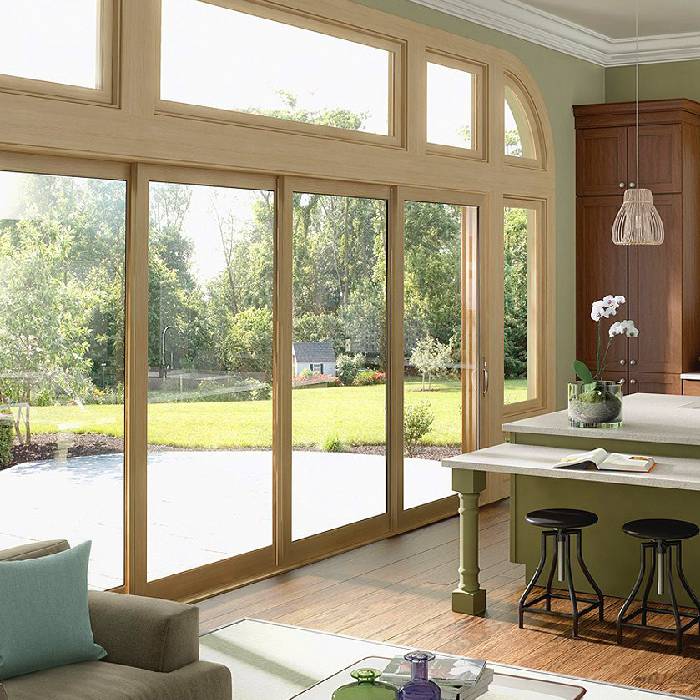
You could replace just the glass — but why would you? Old single-pane wood windows provide no energy efficiency, no UV protection, and may have dry rot or termite damage. A better solution is replacing the old wood windows entirely with dual-pane vinyl or fiberglass products. If you’re concerned about losing the wood look, fiberglass looks just like wood, can be painted any color, and comes in beautiful stock finishes from the manufacturer.
Q: One side of my house gets a lot of sun and makes the room hot. What can help?
Low-E glass is the solution. Replacing windows or doors on south and west-facing exposures with low-E or low-E2 glass dramatically reduces UV transmission and heat gain. It also protects carpets, hardwood floors, artwork, and furniture from fading. Low-E glass is required under California’s Title 24 energy code and is standard in virtually all quality window replacements.
Q: I have aluminum windows from the 1990s that are damaged. No one will replace them. What should I do?
Aluminum windows no longer meet California’s Title 24 energy code and cannot be legally installed as replacements. That’s why manufacturers have largely stopped making them. The closest visual match is vinyl windows with thinner frame profiles — available in white, black, and silver finishes. The frames will be slightly wider than original aluminum, but thin-profile vinyl series get close. Over time, replacing all aging single-pane aluminum windows with vinyl is the practical, code-compliant path forward.
Energy Efficiency and Security in Entry Doors
Fiberglass entry doors are three times more energy efficient than wood doors due to their dense insulation core. Modern entry doors carry Energy Star ratings and must meet California’s Title 24 standards. Hollow-core doors — still common in older homes — provide no meaningful insulation and almost no security. Always look for the Energy Star rating when evaluating entry door options.
Multi-point locking systems provide significantly better security than older single-point locks. The installation matters as much as the hardware: long screws anchored through the jamb and directly into the wall studs are essential. Standard 3/4-inch screws provide minimal resistance to forced entry.
Prehung vs. Slab Entry Doors
A prehung door arrives with hinges set in a complete jamb — two sides, top, and threshold for an entry door. A slab door is just the door panel, installed into an existing jamb. For fiberglass entry doors, prehung is always the right choice. Unlike wood, fiberglass cannot be planed, chiseled, or adjusted to fit an existing jamb. Fiberglass prehung doors also include a composite jamb, eliminating the rot, swelling, and deterioration that wood jambs develop over time.
Fiberglass vs. Wood Entry Doors
Wood door cons:
- Warps and cracks — especially on south and west-facing exposures
- Attracts termites
- Deteriorates from moisture and UV exposure — sometimes severely within just a few years
- Requires regular stripping, resealing, staining, or painting
- Warranty voids if not installed and finished within 24 hours of delivery
Wood door pros:
- Beautiful — classic, warm, European aesthetic
- Can be the right choice with 10–12 foot overhang, no direct sun, no moisture exposure, and no termite risk
Fiberglass door pros:
- Three times more energy efficient than wood
- Does not warp, crack, or deteriorate
- Termite and moisture resistant
- Virtually maintenance-free
- Can be stained and textured to look identical to wood — including grain patterns like vertical Douglas fir
- Can be painted any color and repainted later
- Comes with composite jamb rather than wood jamb
- Meets Title 24 and Energy Star requirements
Fiberglass door cons:
- Cost — though when long-term maintenance expenses are factored in, total cost is often comparable to or less than wood
Safety with Savvy
This episode’s safety segment featured a demonstration of how easily a hollow-core entry door with a thin jamb can be kicked open. The lesson: door security isn’t about the lock alone. It requires solid core construction, a quality multi-point locking system, a reinforced jamb, and installation screws long enough to anchor through the jamb into the wall studs. A door that looks solid but is secured with 3/4-inch screws into a thin jamb provides almost no real protection.
Key Takeaway
When it comes to entry doors, the four things that matter are material, configuration, safety, and energy efficiency. Fiberglass delivers on all four for most Southern California homes. Wood can be the right answer under specific conditions — but go in with eyes open about the maintenance commitment and warranty limitations. And whatever you choose, make sure it’s installed correctly, with the right credentials, the right hardware, and the right screws.
Next episode (Episode 4): The five best questions to ask any window and door sales expert before you sign a contract. Visit newmanwindows.com/stay-glassy to submit your questions.