Follow Us

Window Styles Explained | Stay Glassy Ep. 7

Window Styles Explained | Stay Glassy Ep. 7

Not all windows are created equal — and the style you choose affects everything from how your home looks to whether your bedroom is legally safe. In Episode 7 of Stay Glassy, Newman Windows and Doors pros Maria and Duncan walk through every major window style available to Southern California homeowners: sliders, casements, awnings, single and double hungs, picture windows, and bays and bows. If you've ever felt overwhelmed by the options, this episode breaks it all down in plain language — with real windows, real demos, and the guidance to help you choose confidently.

Window Styles Explained: Which One Is Right for Your Home?

Key Takeaways from This Episode:

  • Sliding windows are the most common window style in Southern California — versatile, secure, and available in modern and traditional looks
  • Casement windows are the most popular choice among architects — maximum ventilation, beautiful aesthetics, and excellent for egress in bedrooms
  • Awning windows are ideal for bathrooms, clerestories, and above entry doors — but do not meet egress requirements
  • Single hung vs. double hung comes down to price and personal preference — double hungs offer full screens and easier cleaning; single hungs offer an unobstructed view through the top
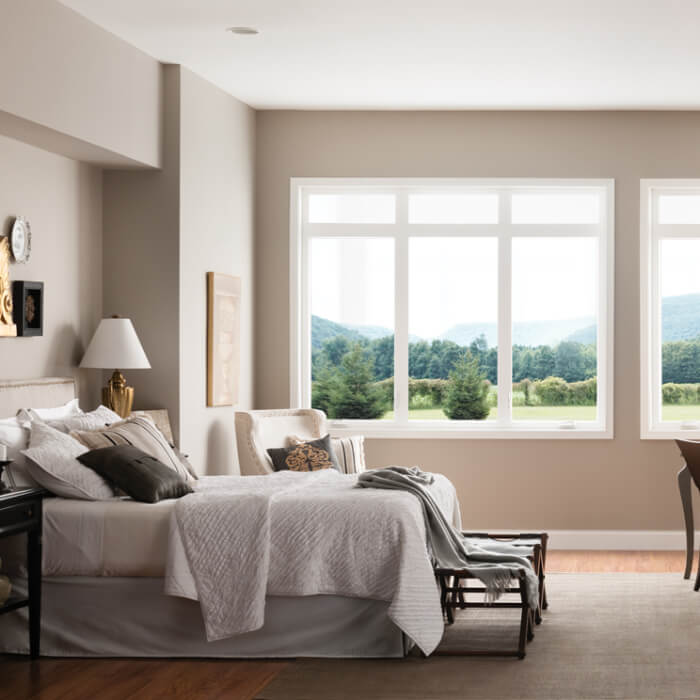
  • Picture windows never meet egress — they don't open, but they maximize views and natural light
  • Bay and bow windows project from the exterior wall and require significant additional construction — base, roof, and structural labor all add to the cost
  • Don't feel obligated to choose just one style — mixing and matching window types throughout a home is common and encouraged
  • All bedroom windows must meet egress code — the operable opening must be large enough for an occupant to escape or a firefighter in full gear to enter

Sliding Windows

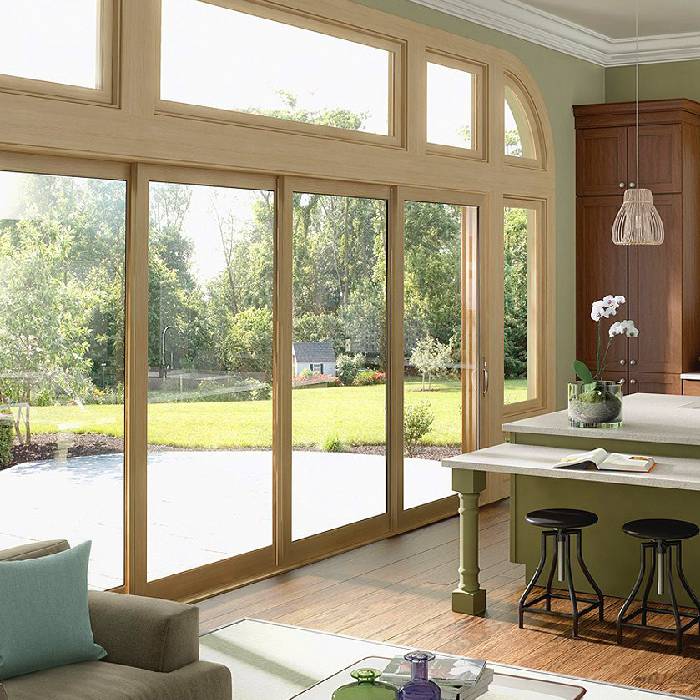
Horizontal sliders are the most common window style in Southern California and for good reason. They work well in horizontal spaces, suit both modern and traditional aesthetics, and come in a variety of colors and grid configurations. Quality sliders include a positive action lock — meaning the window automatically locks when closed — as well as anti-lift clips that prevent the window from being removed from outside when in the closed or vented position. They also meet forced entry code. Vinyl is the most common material, and dual-pane glass means outside noise stays outside.

Casement Windows

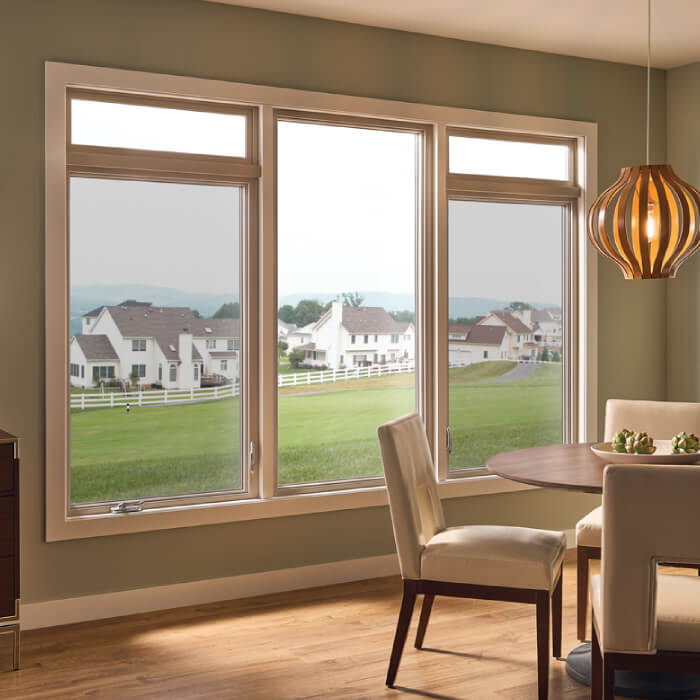
Casement windows are the top choice among architects for good reason — they offer maximum ventilation, classic good looks, and the best egress performance of any operable window style. A casement cranks open up to 90 degrees, providing a full, unobstructed opening. They're ideal for bedrooms, kitchens, and any area where strong airflow is a priority. The one placement consideration: casements project outward when open, so they're not ideal in tight exterior passageways, along pool decks, or anywhere foot traffic could result in someone walking into an open sash.

Awning Windows

Awning windows crank outward from the bottom at 30 to 40 degrees — a much smaller opening than a casement. This makes them a smart choice for specific applications: bathrooms, clerestory positions, or above an entry door where you want ventilation without leaving the door open. They're available in vinyl and fiberglass and come in a range of colors, including options with white interiors and colored exteriors to match different color schemes. Importantly, awning windows do not meet egress requirements and should not be used as the sole window in a sleeping area.

Single Hung and Double Hung Windows

Single hung and double hung windows look nearly identical from the outside, but function differently. A single hung slides up and down from the bottom only — the top sash is fixed. It has a screen on the lower half, leaving the top portion with an unobstructed view. A double hung has two operable sashes — both top and bottom slide — with a full-length screen and easier cleaning access, particularly useful on upper floors where you can tilt both sashes inward. The choice between them usually comes down to price: single hung is less expensive and more than adequate for most situations. Double hung is the right call for traditional or farmhouse aesthetics, or for homeowners who want full cleaning flexibility.

Picture Windows

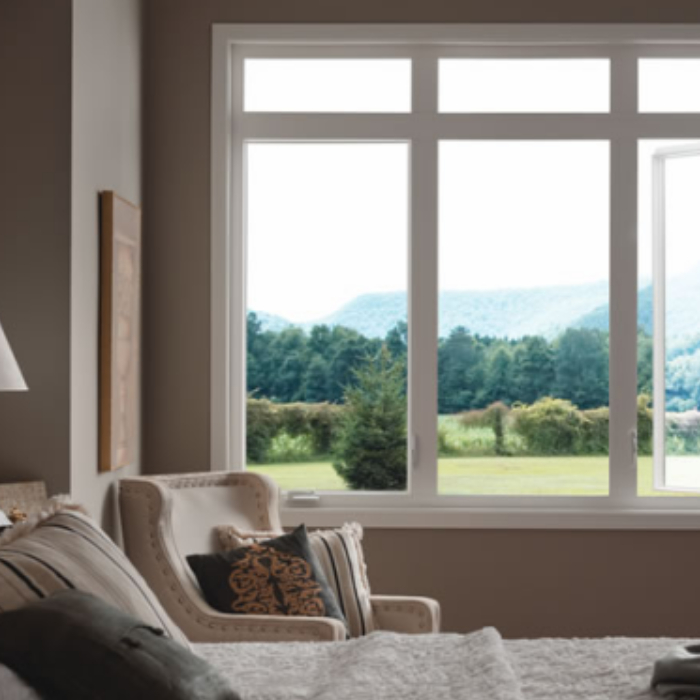
A picture window is simply a fixed window — it doesn't open. Any window in its fixed configuration is technically a picture window. They're used where the priority is view and light over ventilation: overlooking a backyard, a lake, a forest, or any space where you want an unobstructed frame of the outside world. No screen, no hardware, just glass. Picture windows do not meet egress requirements and should never be the only window in a bedroom unless a compliant egress door or window is also present.

Bay and Bow Windows

Bay and bow windows both project outward from the exterior wall, creating architectural interest from outside and usable depth — often a window seat — on the inside. A bay window is three-sided, typically with 45-degree angled side panels and a flat front. A bow window uses more segments (usually five or more) for a gentler curve. Both require significant additional construction: a base, a roof or top treatment, and integration back into the home's exterior. That labor is why they're substantially more expensive than standard windows. Bay and bow windows are most commonly placed in living rooms, dining rooms, and kitchens — anywhere a dramatic focal point is desired. The side panels can be casements, single hungs, or fixed, depending on the look and ventilation goals.

What is the difference between a single hung and a double hung window? A single hung window slides up and down from the bottom only — the top sash is fixed. A double hung has two operable sashes, with both top and bottom able to slide. Double hungs offer a full-length screen and easier cleaning; single hungs leave the top section screen-free for an unobstructed view. Most homeowners choose based on price and aesthetic preference.

Can casement windows be used in bedrooms? Yes — and they're often the best choice. Casement windows open up to 90 degrees, providing a larger clear opening than single or double hung windows of the same size. This makes them excellent for meeting egress requirements, which govern the minimum opening size needed for emergency escape from sleeping areas.

Why are bay windows more expensive than other window styles? Bay windows project outward from the exterior wall rather than sitting flush in it. This means the installation requires building a base, constructing a roof or top treatment, and integrating the structure back into the home's exterior — all of which adds significant labor cost beyond the window product itself.

Which window styles meet egress requirements for bedrooms? Casement windows, single hung windows, and horizontal sliders can all meet egress when properly sized. Awning windows typically cannot due to their limited opening angle. Picture windows never meet egress because they don't open. Always confirm that the clear daylight opening — not the frame size — meets the minimum specs: 20 inches wide, 24 inches tall, 5.7 square feet combined, and starting no higher than 44 inches from the floor.

📄 Full Episode Transcript — Click to Expand

Buying windows is easy until you realize there are more styles than shoes in Maria's closet. Picture windows, casement windows, slider windows — so many options. Which one is right for you? More importantly, which one is right for your home?

Welcome to Stay Glassy, Episode 7. I'm Maria and I'm Duncan. We are your no-pressure pros from Newman Windows and Doors and Newman Garage Doors, here to help you make smart, stylish, and stress-free choices on buying windows and doors for your home.

Glazed and Confused: Homeowner Q&A

Q: What's the difference between a single hung and a double hung window?
A single hung window slides up and down from the bottom only — the top panel is stationary. A double hung window has both top and bottom sashes that slide up and down independently. With a single hung, you only have a screen on the bottom half, which leaves the top section with an unobstructed view. With a double hung, you have a screen over the entire window and much better cleaning options, especially on upper floors where you can tilt both sashes inward.

Q: Can casement windows be used in bedrooms?
Yes — and sometimes they're the best option. Bedrooms fall under egress code, which governs the minimum opening size required for emergency escape. A casement window that pivots on one side and opens up to 90 degrees actually provides more clear opening space than a single hung or double hung of the same overall size. This makes casements an excellent egress-compliant choice for sleeping areas.

Q: Why are bay windows more expensive than other windows?
A bay window projects outward from the exterior wall — it's a three-sided window that doesn't sit flush in the wall like a standard window. Because of that, the installation requires building a base and a roof or top treatment, and tying the structure back into the home's exterior. That additional construction labor is why bay and bow windows are significantly more expensive than standard replacement windows.

Sliding Windows

Horizontal sliders are the most common window style in Southern California. They work well in horizontal spaces and suit both modern and traditional aesthetics — available with or without grids, and in a variety of colors. Features include a positive action lock (the window locks automatically when closed), anti-lift clips that prevent removal from outside in the closed or vented position, and forced entry code compliance. Dual pane glass reduces outside noise. Vinyl is the most common material.

Casement Windows

Casement windows are the most popular choice among architects for their ventilation performance, classic appearance, and egress compliance. They crank open up to 90 degrees, providing a large unobstructed opening. They're ideal for bedrooms, kitchens, and anywhere strong airflow is desired. One placement note: casements project outward when open, so avoid tight exterior passageways, pool decks, or high-traffic areas where an open sash could cause injury.

Awning Windows

Awning windows crank outward from the bottom at 30 to 40 degrees — significantly less than a casement. They're well-suited to bathrooms, clerestory positions, and above entry doors where ventilation is desired without a large opening. Available in vinyl and fiberglass, with color options including white interiors paired with colored exteriors. Awning windows do not meet egress requirements and should not be the sole window in a sleeping area.

Single Hung and Double Hung Windows

Single hung and double hung windows look nearly identical from outside. A single hung slides up and down from the bottom only, with a screen on the lower half and an unobstructed view through the fixed top. A double hung has two operable sashes — both top and bottom move — with a full-length screen and the ability to tilt inward for easier cleaning on upper floors. Most homeowners choose between them based on price: single hung is less expensive and adequate for most situations. Double hung is the right choice for traditional or farmhouse aesthetics or where full cleaning flexibility is a priority.

Picture Windows

A picture window is a fixed window — it does not open. Any fixed portion of a window is technically a picture window. They're used where view and natural light take priority over ventilation: overlooking a backyard, a lake, or any space where an unobstructed frame of the outside is the goal. No screen, no hardware, just glass. Picture windows never meet egress requirements and should not be the only window in a bedroom unless another compliant escape route exists.

Bay and Bow Windows

Bay and bow windows both project outward from the exterior wall. A bay window is three-sided, typically with 45-degree angled panels on the sides and a flat front center. A bow window uses more segments — usually five or more — for a gentler curve. Both require building a base, constructing a roof or top treatment, and integrating the structure back into the home's exterior. This additional labor is why they're significantly more expensive than standard windows. They're most commonly installed in living rooms, dining rooms, and kitchens, and frequently used to create a built-in window seat. Side panels can be casements, single hungs, or fixed depending on ventilation needs.

Safety with Savvy

This episode's safety segment focused on egress — specifically what happens when a window opening is too small to escape through in an emergency. The demonstration made the point clearly: an opening that seems reasonable can still be dangerously inadequate when you actually need to get through it. Every bedroom window must provide a clear opening large enough for an occupant to exit and a first responder in full gear to enter. Meeting egress code isn't optional — it's a life-safety requirement.

Key Takeaway

There isn't one window style that fits every situation — and that's by design. Don't feel obligated to choose just one type throughout your home. Mix and match based on the function, location, and aesthetic goals of each room. Casements where you want airflow and egress compliance, sliders where horizontal space calls for it, picture windows where the view is the point. Just make sure every sleeping area meets egress code, and work with a specialist who can confirm compliance before your project is complete.

Next episode (Episode 8): Why replacing your garage door delivers better ROI than most homeowners expect — plus styles, trends, and everything you need to know. Visit newmanwindows.com/stay-glassy to submit your questions.


  • This field is for validation purposes and should be left unchanged.
  • Get In Touch

"*" indicates required fields

This field is for validation purposes and should be left unchanged.

Apply Here