





When considering home improvement projects, property owners frequently evaluate potential returns on their investment. Window replacement represents one of the most significant renovation decisions homeowners face, particularly when preparing to enter the real estate market. Understanding the relationship between new windows and property value requires examining multiple factors, from energy efficiency improvements to aesthetic appeal and market demand considerations.
The decision to invest in replacement windows extends beyond simple functionality. Modern window technology offers substantial benefits including thermal performance enhancements, reduced utility costs, and improved curb appeal—all factors that real estate agents emphasize when positioning properties. This comprehensive analysis examines how window upgrades influence home valuation, buyer preferences, and overall investment return percentage in today's competitive housing market, including insights on do new windows increase home value.
ROI and Property Value Enhancement Through Window Replacement

According to the Remodeling Magazine Cost vs Value Report, window replacement consistently ranks among the top home improvement projects for recouping investment. National Association of Realtors data indicates that homeowners typically recover approximately 70-80% of window replacement costs upon selling their property. This substantial return demonstrates that replacement windows add measurable value to your home through both quantifiable metrics and intangible benefits that influence buyer appeal.
The actual ROI varies considerably based on geographic location, climate considerations, and current window condition. Properties with deteriorating single-pane windows experience more significant appraisal value increases compared to homes requiring minor upgrades. A home appraisal specifically evaluates window condition as part of property assessment, with newer installations receiving favorable consideration. Real estate market dynamics also influence returns, as competitive markets place greater emphasis on move-in ready conditions that new windows provide.
How Much Value Do New Windows Add to a House?
Market analysis reveals that replacement windows typically add between $8,000 and $15,000 to residential property value, depending on project scope and quality. For a complete window replacement averaging $15,000 in investment, homeowners can expect increased market value of approximately $10,500 to $12,000. This represents a 70-80% recovery rate that positions window upgrades among the most cost-effective home improvements for resale consideration.
Regional differences significantly impact value addition, with climate zones experiencing extreme temperatures seeing higher returns. Properties in areas with substantial heating and cooling costs benefit more dramatically from energy-efficient windows featuring Low-E glass and argon gas fills. Home buyers increasingly prioritize energy efficiency improvements, making modern window installations particularly valuable in markets where utility cost reduction represents a significant consideration for prospective purchasers.
Energy-Efficient Windows Drive Home Value Appreciation

Energy Star certified windows provide documented performance advantages that translate directly to property marketability and enhanced resale value. Double-pane windows with improved U-factor ratings and optimized SHGC specifications reduce heating and cooling costs by 12-25% annually. These quantifiable savings appeal strongly to home buyers conducting due diligence on operating expenses, positioning properties with energy-efficient upgrades as superior investments compared to comparable homes with outdated windows.
Triple-pane windows offer even more substantial thermal performance benefits, particularly in northern climate zones where severe weather conditions demand superior insulation. While material costs and labor costs for triple-pane installations exceed double-pane alternatives, the investment strengthens building envelope integrity and demonstrates commitment to quality that resonates with discerning buyers. Home energy audits consistently identify window upgrades as priority weatherization improvements, validating their importance in comprehensive property enhancement strategies.
What Impact Do Energy Performance Ratings Have on Property Assessment?
Window performance ratings directly influence home valuation during professional appraisals, particularly as energy efficiency becomes standard buyer expectation. Home inspectors specifically evaluate U-factor measurements, SHGC values, and overall thermal efficiency when assessing property condition. Properties demonstrating superior energy performance through quality window installations receive favorable ratings that support higher appraisal values and strengthen negotiating positions during real estate transactions.
Certification programs including Energy Star provide third-party validation that adds credibility to efficiency claims. Buyers increasingly request documentation of window specifications, warranty coverage, and installation quality standards during purchase negotiations. Properties offering verifiable performance data through recognized certification programs command premium positioning in competitive markets, accelerating sales timelines while supporting asking price maintenance throughout negotiation processes.
Window Styles and Material Selection Impact Resale Value
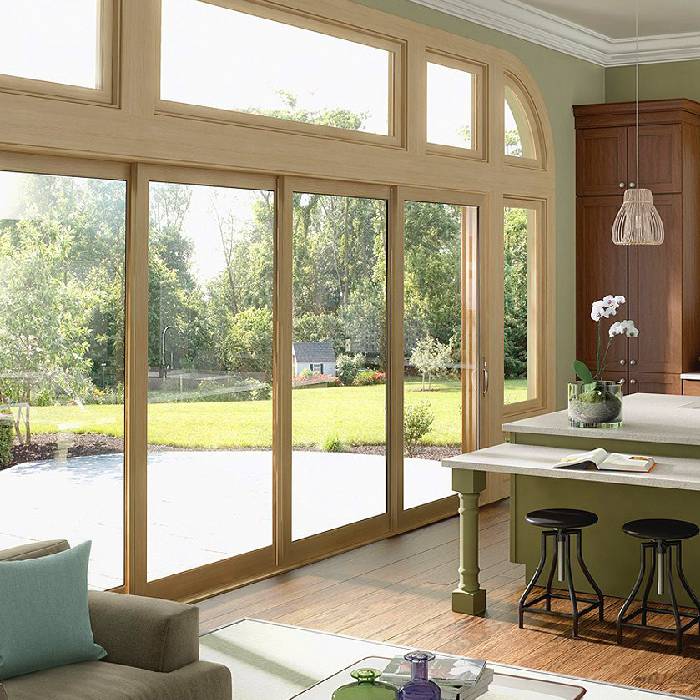
Material choice significantly influences both immediate costs and long-term value retention. Vinyl windows offer excellent cost-effectiveness with minimal maintenance requirements, making them popular for mid-range residential applications. Wood windows provide premium aesthetic appeal and architectural compatibility valued in historic preservation districts and upscale neighborhoods. Fiberglass windows deliver superior durability and thermal performance, appealing to buyers prioritizing longevity and structural integrity over initial investment considerations.
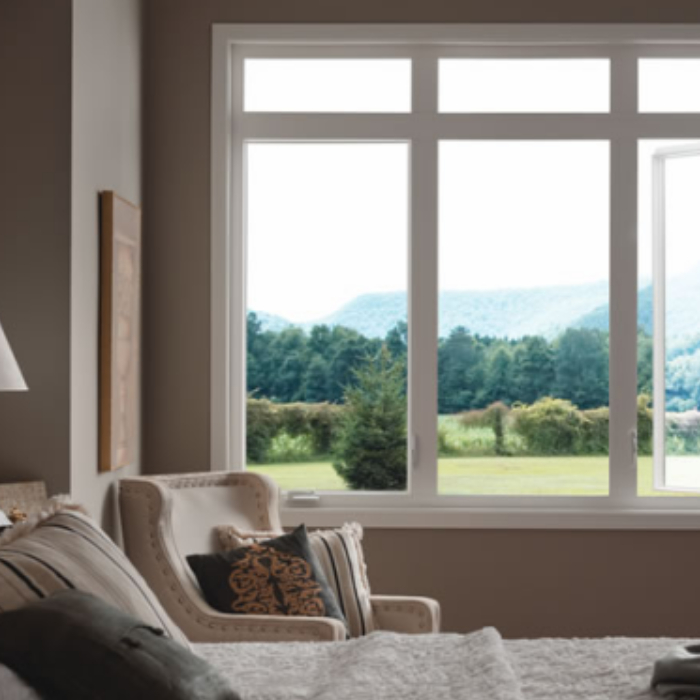
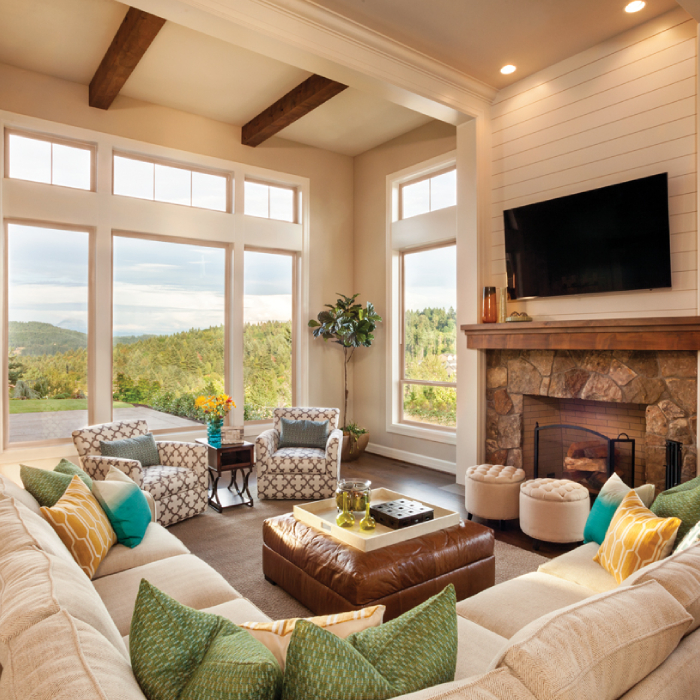
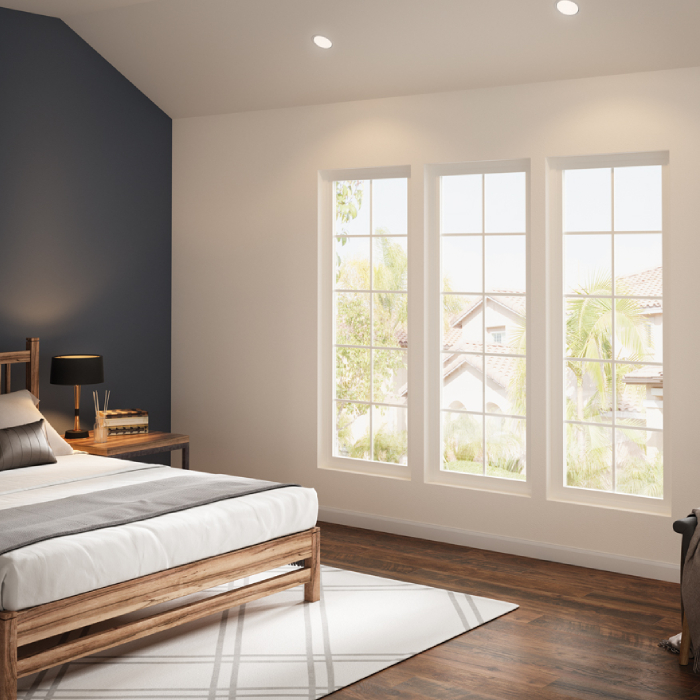
Window styles must complement existing architectural design to maximize property enhancement benefits. Double-hung windows remain standard in traditional residential construction, while casement windows offer contemporary appeal with superior ventilation improvement. Bay windows and bow windows create distinctive focal points that enhance curb appeal and interior spatial perception. Picture windows maximize natural lighting in strategically positioned locations, contributing to aesthetic value that influences buyer emotional response during property viewings.
Which Window Materials Add Most Value to Home Sales?
Comparative property values indicate that material selection should align with neighborhood standards and price point optimization strategies. Premium neighborhoods typically expect wood windows or high-quality fiberglass installations that match surrounding properties. Mid-range markets favor vinyl windows offering optimal balance between performance, durability, and affordability. Deviating significantly from neighborhood norms can negatively impact buyer appeal, regardless of individual product quality or performance specifications.
Color selection and style matching also influence perceived value, with neutral tones and traditional designs offering broadest market appeal. Custom windows featuring unique configurations provide differentiation in luxury markets but may limit buyer pool in standard residential segments. Window contractors should provide guidance on selections that enhance specific property positioning while avoiding over-improvement that exceeds market value increase potential for the particular neighborhood and price range.
| Window Material | Average Cost Range | Typical ROI | Best Application |
|---|---|---|---|
| Vinyl Windows | $450-$800 per window | 73-75% | Mid-range residential properties |
| Wood Windows | $800-$1,200 per window | 68-72% | Historic homes, premium markets |
| Fiberglass Windows | $700-$1,000 per window | 71-74% | Extreme climates, long-term value |
Curb Appeal and Buyer Preferences Drive Market Demand
First impressions determine buyer engagement levels during initial property viewings, making exterior appearance critical to successful sales outcomes. Replacement windows dramatically enhance curb appeal by eliminating visible deterioration, updating architectural styling, and creating cohesive design presentation. Properties with new window installation immediately signal quality maintenance and move-in readiness that reduces buyer concerns regarding deferred maintenance and potential repair expenses.
Real estate agents consistently emphasize the psychological impact of visible improvements during listing preparations. Buyers subconsciously associate new windows with comprehensive property care, inferring that other systems likely received similar attention. This perception advantage strengthens competitive positioning and supports pricing strategies that maintain value throughout marketing periods. Window upgrades specifically address common buyer objections regarding energy costs and maintenance burdens, removing barriers that might otherwise delay purchase decisions.
Do New Windows Help Sell a House Faster?
Market data demonstrates that properties with recent window replacement typically experience reduced days on market compared to comparable homes with original installations. Buyer expectations increasingly include energy-efficient features as standard rather than premium upgrades, making modern windows essential for meeting baseline market demand. Properties lacking contemporary window technology often require price reductions to compensate for perceived deficiencies, while homes featuring quality installations maintain asking prices and generate stronger offer activity.
Timing considerations influence upgrade timing effectiveness, with seasonal considerations affecting both installation convenience and market positioning. Spring represents optimal timing for window replacement before selling, allowing completion before peak real estate season when inventory increases and buyer activity reaches annual highs. Properties entering markets with completed improvements avoid complications during showing periods and eliminate buyer concerns regarding construction disruptions, maintaining momentum throughout sales processes.
Home Appraisal and Property Tax Considerations
Professional appraisers evaluate window condition as component of comprehensive property valuation, considering factors including age, materials, energy efficiency, and overall functionality. Replacement windows contribute to higher appraisal values through multiple assessment criteria, from improved thermal performance to enhanced aesthetic presentation. Home equity increases following window installation, strengthening refinancing positions and providing financial flexibility for property owners pursuing various investment strategies.
Property tax assessment may increase following substantial home renovation projects, though window replacement typically produces modest impacts compared to additions or major structural modifications. Local jurisdictions vary considerably in reassessment triggers and valuation methodologies, making consultation with local property assessment offices advisable for specific situations. Generally, the increased market value and equity position outweigh potential property tax increases, particularly when window replacement forms part of comprehensive home improvement strategy preceding sale.
Should I Replace Windows Before Selling My House?
Strategic renovation priorities depend on current window condition, local market conditions, and available budget allocation. Properties with significantly deteriorated windows, particularly single-pane installations or damaged frames requiring immediate attention, benefit substantially from replacement before listing. Homes with functional but dated windows may prioritize other improvements offering higher visibility returns, particularly when operating within constrained improvement budgets.
Consultation with experienced real estate agents provides valuable market-specific guidance regarding renovation value added in particular neighborhoods and price ranges. Some markets heavily weight energy efficiency and modern features, while others prioritize cosmetic improvements or specific amenities. Window replacement offers documented returns and broad appeal across buyer demographics, making it generally sound investment for sellers seeking to maximize property competitiveness and achieve optimal sale outcomes.
| Replacement Scenario | Recommended Action | Expected Value Impact |
|---|---|---|
| Severely deteriorated single-pane windows | Replace before listing | High positive impact (10-15%) |
| Functional double-pane windows, 10-15 years old | Evaluate market expectations | Moderate impact (3-5%) |
| Recent energy-efficient windows, less than 5 years | Highlight existing features | Maintain competitive positioning |
Window Warranty and Installation Quality Standards
Transferable window warranties add tangible value during property transactions by providing buyer assurance regarding product longevity and manufacturer support. Quality installations performed by licensed window contractors ensure code compliance, proper air infiltration prevention, and moisture control—critical factors affecting long-term performance and home inspection outcomes. Substandard installation negates product quality advantages and potentially creates liability issues that compromise property value rather than enhancing it.
Documentation of installation quality standards, including contractor licensing, building permits, and inspection approvals, strengthens buyer confidence and facilitates smooth transaction processes. Home sellers should maintain comprehensive records of window replacement projects, including product specifications, warranty terms, installation dates, and contractor information. This documentation demonstrates professional workmanship and provides buyers with essential information for future maintenance planning and warranty claim processes.
How Does Installation Quality Affect Window Investment Return?
Professional installation directly determines whether window replacement achieves projected energy savings and performance specifications. Improper installation creates air leakage, moisture infiltration, and structural concerns that negate efficiency benefits and potentially cause damage requiring costly remediation. Buyer awareness of installation importance means that documented professional workmanship enhances perceived value, while unknown installation quality raises concerns that may impact offer amounts or financing approval processes.
Contractor selection should prioritize experience, licensing verification, and insurance coverage rather than solely focusing on lowest bid amounts. Established contractors provide reliable warranty support and quality assurance that protects both immediate installation outcomes and long-term value preservation. Properties featuring windows installed by reputable contractors benefit from third-party credibility that strengthens market positioning and reduces buyer objections during due diligence phases.
Frequently Asked Questions
How much do new windows increase home value percentage-wise?
New windows typically increase home value by approximately 70-80% of the installation cost. For a $15,000 window replacement project, homeowners can expect property value increases of $10,500 to $12,000. The exact percentage varies based on regional market conditions, current window condition, and overall property price point within the local real estate market.
Are energy-efficient windows worth the investment when selling a home?
Energy-efficient windows represent an excellent investment for home sellers, as buyers increasingly prioritize operating costs and sustainability features. Energy Star certified windows reduce heating and cooling costs by 12-25% annually, providing quantifiable benefits that justify premium pricing. Properties with documented energy efficiency improvements typically sell faster and maintain asking prices better than comparable homes without these upgrades.
Do vinyl windows add as much value as wood windows?
Window material value depends on neighborhood standards and property price range. Vinyl windows offer excellent returns in mid-range markets and often provide better ROI due to lower initial costs. Wood windows command premiums in historic districts and luxury markets where architectural authenticity matters. The key is matching material selection to buyer expectations in your specific market segment rather than assuming one material universally outperforms others.
Will new windows increase my property tax assessment?
Window replacement may result in modest property tax increases in some jurisdictions, though impacts are typically minimal compared to additions or major structural renovations. Most homeowners find that increased home equity and market value far outweigh potential tax increases. Assessment practices vary significantly by location, so consulting with your local tax assessor's office provides specific guidance for your situation.
Should I replace all windows or just visible ones before selling?
Complete window replacement provides greatest value consistency and buyer appeal, as partial replacements create concerns about future expenses. If budget constraints require prioritization, focus on street-facing windows for curb appeal and windows in primary living spaces that buyers scrutinize during viewings. Home inspectors will note inconsistencies, so be prepared to address questions about replacement strategy if pursuing partial upgrades.
How long do replacement windows last, and does this affect home value?
Quality replacement windows typically last 15-25 years depending on material and maintenance. Window lifespan directly affects value perception, with newer installations providing greater appeal than windows nearing replacement timeframe. Buyers factor remaining useful life into purchase decisions, making recent installations (less than 5 years old) particularly valuable for positioning properties as maintenance-free and ready for immediate occupancy without anticipated capital improvements.