





Selecting the right window frame material represents one of the most significant home improvement decisions homeowners face. The choice between vinyl windows, fiberglass windows, and wood windows affects not only your home's aesthetic appeal but also its energy efficiency, maintenance requirements, and long-term value. Understanding the fundamental differences between these window materials enables you to make an informed decision that aligns with your budget, climate considerations, and lifestyle preferences.
This comprehensive window comparison guide examines the distinct characteristics, advantages, and limitations of each window frame material. By exploring factors such as thermal performance, durability, cost analysis, and customization options, you'll gain the knowledge necessary to select the optimal window material for your specific needs. Whether you're planning a complete window replacement or building a new home, this analysis provides the professional insights required to maximize your return on investment.
Vinyl Windows Deliver Cost-Effective Performance and Low Maintenance Requirements

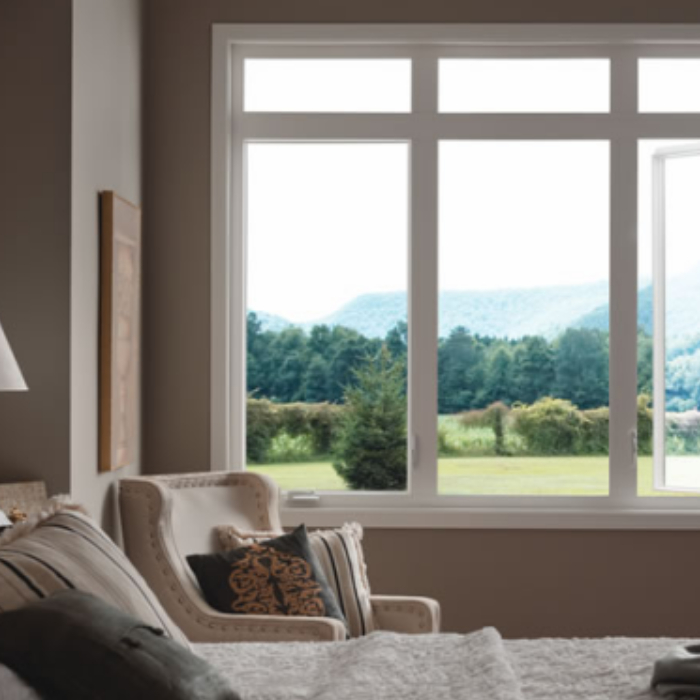
Vinyl windows have dominated the residential windows market for decades, primarily due to their exceptional value proposition and minimal upkeep demands. Constructed from polyvinyl chloride (PVC), these synthetic material frames offer excellent energy efficiency at a fraction of the cost of premium alternatives. The extruded vinyl construction creates hollow chambers that can be foam-filled for enhanced insulation properties, achieving impressive U-factor ratings that meet or exceed Energy Star requirements across various climate zones.
When considering vinyl vs. fiberglass vs. wood windows compared, the maintenance advantage of vinyl becomes immediately apparent. Unlike wood windows that require periodic painting or staining, vinyl frames maintain their appearance without additional finish applications. The material's inherent moisture resistance prevents rot, decay, and corrosion, making vinyl an excellent choice for humid environments and coastal areas. However, homeowners should recognize that vinyl's color choices remain somewhat limited, and darker shades may experience slight fading due to UV exposure over extended periods.
What Are the Primary Advantages of Vinyl Windows for Homeowners?
The affordability of vinyl windows makes them accessible to budget-conscious homeowners without sacrificing essential performance characteristics. Installation costs remain lower than fiberglass or wood alternatives, contributing to faster payback periods through energy savings on heating costs and cooling costs. The material's natural insulation properties, particularly in multi-chambered designs with insulated glass and argon gas fills, create effective barriers against air infiltration and draft reduction.
Modern vinyl windows offer impressive durability, with quality products from manufacturers like Simonton, Milgard, and Jeld-Wen providing warranties extending 20-30 years or more. The material's weather resistance withstands temperature fluctuations without warping, though extreme heat exposure can cause thermal expansion in darker colors. Additionally, vinyl's acoustic performance provides reasonable noise control, though it typically falls short of the soundproofing capabilities offered by wood or fiberglass composite alternatives.
What Limitations Should You Consider with Vinyl Window Frames?
Despite their numerous advantages, vinyl windows present certain constraints that may influence your selection criteria. The material cannot be painted if you desire a color change, limiting design flexibility for homeowners who frequently update their exterior appearance. Structural integrity may require reinforcement in larger window sizes, as vinyl lacks the inherent strength of fiberglass or wood. Some architectural styles, particularly historic homes or high-end properties, may benefit aesthetically from the premium appearance that wood or clad wood windows provide.
Environmental considerations present another factor, as vinyl production involves petroleum-based processes, and recycling options remain limited compared to more sustainable window frame options. The material's expansion and contraction rates, while manageable in quality installations, can potentially affect long-term seal integrity if window seals aren't properly designed. For those prioritizing eco-friendly window material choices and maximum structural strength, alternative materials may warrant consideration despite vinyl's compelling cost advantages.
Fiberglass Windows Offer Superior Strength and Exceptional Thermal Performance
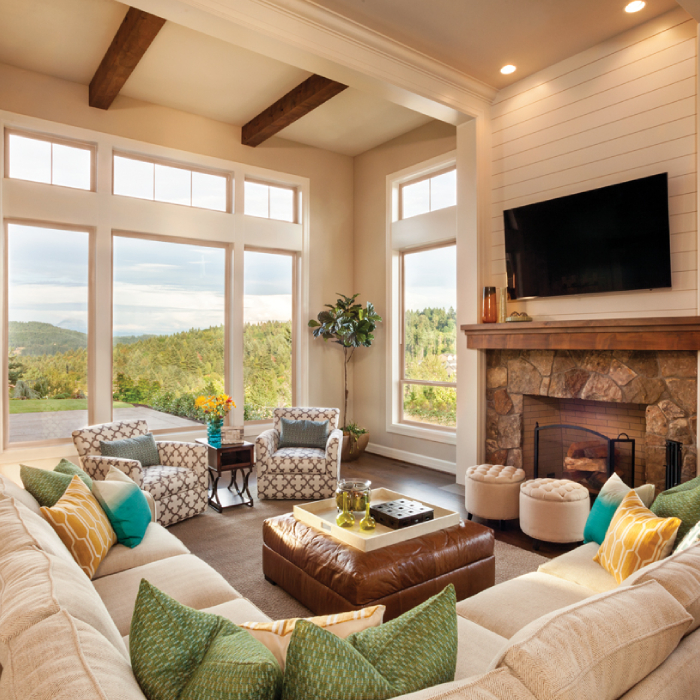
Fiberglass windows represent the premium segment of window replacement options, delivering unmatched structural integrity and outstanding energy efficient windows performance. Composed of glass fiber reinforced polyester resin matrix, pultruded fiberglass frames exhibit dimensional stability that surpasses both vinyl and wood. This advanced material composition resists warping, expansion, and contraction across extreme weather conditions, maintaining consistent operation and seal integrity throughout decades of service life.
The thermal efficiency of fiberglass windows stems from the material's low conductivity properties, which create exceptional resistance to heat transfer. When combined with double pane or triple pane insulated glass, Low-E coating, and argon gas fills, fiberglass frames achieve superior R-value measurements that significantly reduce utility bills. Window manufacturers including Marvin, Andersen Windows, Pella, and Integrity by Marvin produce fiberglass products specifically engineered to meet stringent Energy Star requirements across all climate zones, from extreme cold to intense heat regions.
How Does Fiberglass Compare in Durability and Lifespan Expectations?
When examining window longevity and durability factors, fiberglass windows demonstrate exceptional performance metrics that justify their premium pricing. The material's inherent strength allows for narrower frame profiles than vinyl alternatives, maximizing glass area and natural light transmission without compromising structural integrity. Fiberglass exhibits outstanding weather resistance, maintaining dimensional stability through temperature fluctuations that would stress lesser materials, making these windows ideal for extreme weather environments including coastal areas and regions experiencing significant seasonal variations.
The decay resistance of fiberglass surpasses wood windows while avoiding the UV-related fading concerns associated with colored vinyl. Quality fiberglass windows from reputable manufacturers typically provide warranties ranging from 30 years to lifetime coverage, reflecting confidence in the material's long-term performance. Moisture resistance prevents the rot and deterioration that plagues wood, while the material's composition eliminates the moisture problems and window condensation issues that can affect poorly designed vinyl installations.
What Are the Cost Considerations for Fiberglass Window Materials?
The primary consideration when evaluating fiberglass windows involves the initial investment required for these premium products. Fiberglass typically costs 15-30% more than comparable vinyl windows and approaches or occasionally exceeds the pricing of wood windows depending on customization requirements and finish options. Installation costs may also increase slightly due to the precision required to properly fit these high-performance units, though experienced professionals can typically install them efficiently using standard window installation techniques.
Despite higher upfront costs, the return on investment for fiberglass windows often proves favorable when considering lifetime costs. The exceptional energy savings delivered through superior insulation properties reduce operating costs substantially, particularly in extreme climate zones. Minimal maintenance requirements eliminate ongoing expenses for painting, staining, or refinishing, while the extended lifespan reduces replacement frequency. For homeowners prioritizing long-term value, minimal upkeep, and maximum energy efficiency, fiberglass represents a sound investment that enhances home value and curb appeal.
Wood Windows Provide Unmatched Aesthetic Appeal and Traditional Craftsmanship
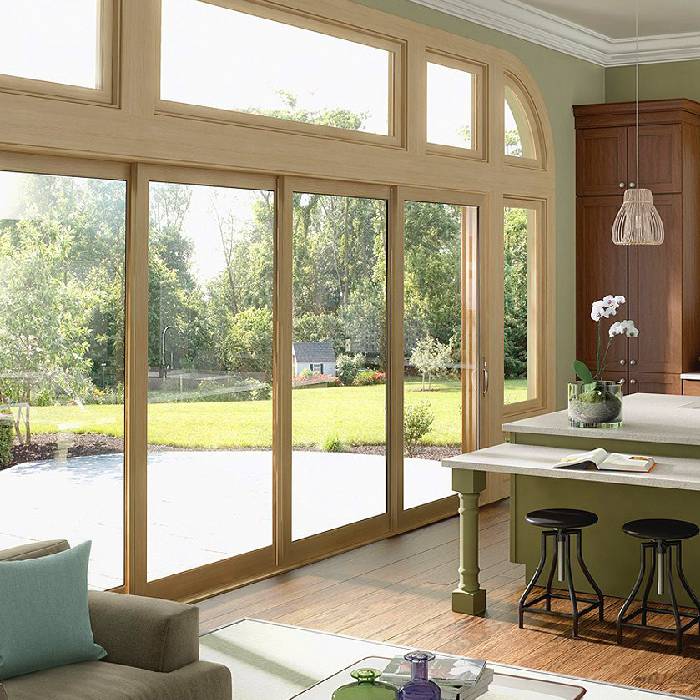
Wood windows remain the gold standard for architectural compatibility, offering timeless beauty and authentic character that synthetic materials struggle to replicate. Natural wood species including pine windows, oak windows, and mahogany windows provide warmth, elegance, and customization possibilities that enhance both exterior appearance and interior design. For historic homes, period restorations, and luxury properties, solid wood windows deliver the authentic aesthetic that preserves architectural integrity while meeting modern performance standards.
The natural insulation properties of wood create effective thermal barriers, with properly maintained wood frames achieving competitive U-factor ratings when paired with modern glazing systems. Leading manufacturers like Andersen Windows, Pella, Marvin, and Renewal by Andersen produce wood window lines that incorporate contemporary energy efficiency features including insulated glass, Low-E coating, and advanced weather stripping. Engineered wood products and wood composite alternatives offer enhanced dimensional stability while maintaining the natural appearance and feel that distinguishes wood from synthetic window materials.
Why Do Wood Windows Require More Intensive Maintenance Requirements?
The primary consideration when selecting wood windows involves the ongoing maintenance commitment necessary to preserve their appearance and structural integrity. Unlike low maintenance windows constructed from vinyl or fiberglass, wood requires periodic painting or staining to protect against moisture penetration, UV damage, and weather exposure. Depending on climate conditions and finish quality, exterior wood surfaces typically require refinishing every 3-7 years to prevent deterioration, representing both time investment and recurring expenses that affect lifetime costs.
Moisture resistance presents another concern, as wood naturally absorbs water that can lead to rot, decay, and structural compromise if protective finishes fail or damage occurs. Regular inspections to identify and address finish degradation, seal deterioration, and potential moisture infiltration become essential to preventing costly repairs. However, aluminum-clad windows or vinyl-clad windows offer hybrid solutions that protect wood exteriors with durable synthetic materials while preserving natural wood beauty on interior surfaces, significantly reducing exterior maintenance while retaining aesthetic benefits.
How Do Wood Windows Impact Resale Value and Home Value?
Wood windows consistently enhance curb appeal and contribute positively to home value, particularly in premium residential markets and architecturally significant properties. Buyers seeking authentic craftsmanship, natural materials, and traditional aesthetics often specifically desire wood windows, viewing them as premium features worth paying more to obtain. The design flexibility inherent in wood allows for extensive customization including complex profiles, custom shapes, multiple finish options, and paint or stain choices that enable perfect architectural coordination.
The sustainability profile of wood appeals to environmentally conscious buyers, as wood represents a renewable, biodegradable resource when sourced from responsible forestry operations. Quality wood windows properly maintained can provide service life spanning 30-50 years or more, delivering excellent longevity when compared to the lifespan of entry-level vinyl products. For luxury homes, historic properties, and residences in upscale neighborhoods, the premium pricing and maintenance requirements of wood windows prove worthwhile investments that distinguish properties and attract discerning buyers.
Window Material Comparison and Cost Analysis Across All Options

Understanding the complete cost comparison between vinyl, fiberglass, and wood windows requires examining both initial investment and lifetime costs including maintenance, energy performance, and replacement frequency. The window pricing spectrum spans considerable range, with budget vinyl windows starting around $300-$600 per window installed, mid-range fiberglass options ranging $500-$1,000 per window installed, and premium wood windows commanding $700-$1,500 or more per window installed depending on size, features, and customization requirements.
The best value replacement windows depend heavily on individual circumstances including home style, budget constraints, climate considerations, maintenance willingness, and performance priorities. Budget-conscious homeowners in moderate climates may find vinyl offers optimal value, while those in extreme weather regions might justify fiberglass investment through superior energy savings. Owners of historic homes or luxury properties often consider wood windows essential for maintaining architectural authenticity and property value regardless of higher maintenance demands and initial costs.
| Window Material | Initial Cost | Energy Efficiency | Maintenance Level | Expected Lifespan | Best Application |
|---|---|---|---|---|---|
| Vinyl Windows | $300-$600 | Good to Excellent | Very Low | 20-30 years | Budget-conscious projects, humid climates |
| Fiberglass Windows | $500-$1,000 | Excellent to Superior | Very Low | 30-50+ years | Extreme climates, maximum energy efficiency |
| Wood Windows | $700-$1,500+ | Good to Excellent | High | 30-50+ years | Historic homes, luxury properties, custom designs |
Which Window Material Delivers the Best Energy Efficiency Performance?
When evaluating energy efficient window comparison data, fiberglass consistently achieves the highest thermal performance ratings due to its superior insulation properties and structural stability. The material's low thermal conductivity combined with advanced glazing systems enables fiberglass windows to attain the most impressive U-factor measurements, often reaching 0.15-0.20 in premium triple pane configurations. These exceptional ratings translate directly to reduced heating costs, lower cooling costs, and enhanced comfort through minimized draft issues and temperature differentials near windows.
Quality vinyl windows achieve competitive energy efficiency, particularly in foam-filled frame designs with advanced Low-E coating and argon gas fills, typically reaching U-factors of 0.20-0.30. Wood windows with modern glazing systems perform similarly to vinyl, with natural wood's inherent insulation properties providing effective thermal barriers when properly sealed and maintained. For maximum energy savings across all climate zones, prioritizing Energy Star certified products with low U-factor ratings, high R-value measurements, and quality weather stripping ensures optimal performance regardless of selected frame material.
How Do Climate Considerations Influence Window Material Selection?
Geographic location and climate zones significantly impact the optimal window material choice, as extreme weather conditions stress different materials in distinct ways. Cold climate regions benefit from materials offering superior thermal performance and minimal air infiltration, making fiberglass an excellent choice where heating costs represent major expenses. The dimensional stability of fiberglass prevents seal degradation during severe temperature fluctuations, maintaining insulation effectiveness throughout harsh winters.
Hot climates and coastal areas present different challenges, with intense UV exposure, high humidity, and salt air affecting material longevity and performance. Vinyl windows excel in humid environments due to inherent moisture resistance and rot prevention characteristics. However, darker vinyl colors may experience fading and increased thermal expansion in extreme heat, making lighter shades preferable. Fiberglass performs exceptionally across all climate extremes, while wood requires rigorous maintenance in humid regions to prevent moisture damage, though clad-wood options mitigate these concerns effectively.
Window Installation and Replacement Considerations for Each Material
Professional window installation remains critical regardless of selected frame material, as improper installation compromises even premium windows' performance. Full-frame replacement provides opportunities to address structural issues, improve insulation around rough openings, and ensure proper flashing and weather protection. Retrofit windows or insert windows offer less invasive alternatives for situations where existing frames remain sound, though careful assessment ensures compatibility with chosen window materials and adequate structural support.
Installation complexity and requirements vary somewhat between materials, with vinyl windows generally offering straightforward installation processes suitable for both professional contractors and experienced DIY homeowners. Fiberglass windows require precise fitting due to tight manufacturing tolerances but install similarly to vinyl once proper measurements ensure accurate sizing. Wood windows often demand additional expertise regarding proper flashing, finish protection during installation, and seal application to prevent moisture infiltration. Regardless of material selection, engaging qualified professionals familiar with specific product requirements ensures optimal performance and longevity.
What Window Manufacturers Offer the Best Quality Products?
The window manufacturers landscape includes numerous reputable companies producing quality products across all material categories. For vinyl windows, Simonton, Milgard, and Jeld-Wen consistently receive high ratings for performance, value, and warranty coverage. These manufacturers offer extensive product lines spanning budget-friendly options to premium designs with advanced features, ensuring selections appropriate for diverse project requirements and budget parameters.
Fiberglass window offerings come from premium manufacturers including Marvin (through their Integrity line), Pella (Impervia series), and Milgard (Ultra series), all delivering exceptional quality with comprehensive warranty protection. Wood window specialists including Andersen Windows, Marvin, Pella, and Renewal by Andersen produce both solid wood and clad-wood options that balance traditional aesthetics with modern performance. Researching specific product lines, comparing warranty terms, and reviewing independent testing data from organizations like Energy Star helps identify best windows for homes matching your specific performance priorities and aesthetic preferences.
Frequently Asked Questions
Are fiberglass windows worth the extra cost compared to vinyl?
Fiberglass windows justify their premium pricing through superior durability, enhanced energy efficiency, and extended lifespan that often exceeds vinyl by 10-20 years. For extreme climates, maximum energy savings priorities, or long-term ownership situations, the additional investment delivers measurable returns through reduced utility bills and minimal maintenance requirements. However, quality vinyl windows provide excellent value for moderate climates and budget-conscious projects where the performance differential may not justify the cost difference.
How long do vinyl, fiberglass, and wood windows typically last?
Quality vinyl windows typically provide 20-30 years of service life, while fiberglass windows often last 30-50+ years due to superior structural stability and weather resistance. Properly maintained wood windows can also achieve 30-50+ year lifespans, though inadequate maintenance may significantly reduce longevity. Actual lifespan depends heavily on installation quality, maintenance consistency, climate conditions, and product quality from reputable manufacturers.
Can vinyl or fiberglass windows be painted to change their color?
Vinyl windows cannot be successfully painted, as paint adhesion proves problematic and thermal expansion causes premature paint failure. Fiberglass windows can be painted using appropriate primers and exterior-grade paints, offering design flexibility unavailable with vinyl. However, factory-applied finishes on both materials provide superior durability compared to field-applied paint, making color selection during initial purchase important for long-term satisfaction.
Which window material provides the best energy efficiency in extreme cold climates?
Fiberglass windows deliver optimal thermal performance in extreme cold climates due to superior insulation properties, minimal thermal conductivity, and dimensional stability that maintains seal integrity during severe temperature fluctuations. When combined with triple pane insulated glass, Low-E coating, and argon or krypton gas fills, fiberglass achieves the lowest U-factor ratings available, maximizing energy savings and comfort. Quality vinyl and wood windows with comparable glazing systems also perform well, though fiberglass offers the best overall combination of insulation and structural stability.
What maintenance do wood windows require compared to vinyl or fiberglass?
Wood windows require periodic painting or staining every 3-7 years to maintain weather protection and appearance, along with regular inspections for moisture damage, finish deterioration, and seal integrity. In contrast, vinyl and fiberglass windows need only occasional cleaning and periodic hardware lubrication, requiring virtually no maintenance beyond basic upkeep. Aluminum-clad or vinyl-clad wood windows reduce exterior maintenance significantly while preserving natural wood beauty on interior surfaces, offering a practical compromise for those desiring wood aesthetics without intensive upkeep demands.
Which window material offers the best return on investment for home resale value?
The optimal window material for resale value depends on property type, market segment, and buyer expectations. Wood windows typically command premium valuations in luxury markets and historic properties where authentic materials significantly impact perceived value. Quality vinyl windows provide excellent ROI in mid-market homes where buyers prioritize low maintenance and energy efficiency over premium aesthetics. Fiberglass offers strong resale appeal across market segments due to superior durability and performance, particularly attracting buyers prioritizing long-term value and minimal maintenance requirements.