




Window & Door Replacement Costs Explained | Stay Glassy Ep. 11
Replacing windows and doors is one of the biggest home improvement investments you can make — but most homeowners go in without knowing what to expect. In Episode 11 of Stay Glassy, Newman Windows and Doors pros Maria and Duncan walk you through everything that affects your bottom line: window and door types, materials, labor variables, structural costs, and finishing touches. Whether you’re budgeting for a single sliding patio door or a full home replacement, this episode gives you the knowledge to make smart, confident decisions — and avoid the costly mistakes that catch too many homeowners off guard.
What Does It Really Cost to Replace Your Windows and Doors? A Complete Breakdown.
Key Takeaways from This Episode:
- Horizontal slider windows are the most common in Southern California, averaging $700–$1,200 installed
- Entry doors range from $4,000–$8,000+ — and are the entrance to your castle, not just your house
- Sliding patio doors average $2,500–$4,500 and are used approximately 40 times a day in Southern California homes
- Bifold and multi-slide doors run $7,000–$15,000+ — beauty isn’t cheap, but it can be worth it
- Aluminum is the most cost-effective window material; vinyl is second; fiberglass third
- Labor costs vary significantly based on window/door location, size, wall depth, and trim complexity
- Going bigger structurally (headers, engineering, permits) can substantially increase total project cost
- Finishing touches — trim, staining, stucco repair, hardware — are where the wow factor lives, and where costs can quietly add up
- A door installed incorrectly (like back-to-front) means doing the entire job over — choose your installer carefully
Window Types and What They Cost
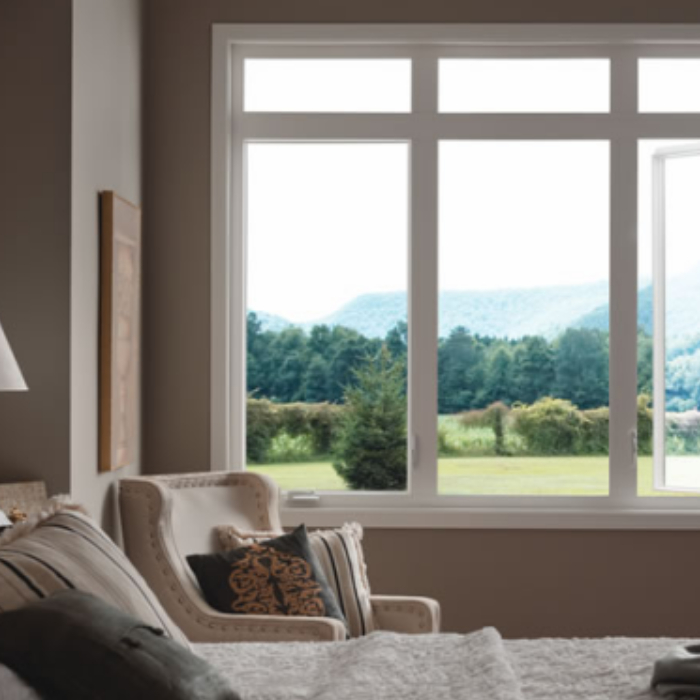
Not all windows are created equal — and the type you choose is one of the biggest drivers of project cost. Horizontal sliders, the most common window in Southern California, run $700–$1,200 installed. Single-hung windows come in at $750–$1,000, while casement windows range from $700–$1,400 depending on configuration. Picture windows, which don’t open, are among the most affordable at $500–$1,000. At the higher end, garden windows (most often found in kitchens) average $4,000–$5,000, and bay or bow windows — which require significant construction — run $5,000–$7,000 installed.
Door Types and What They Cost
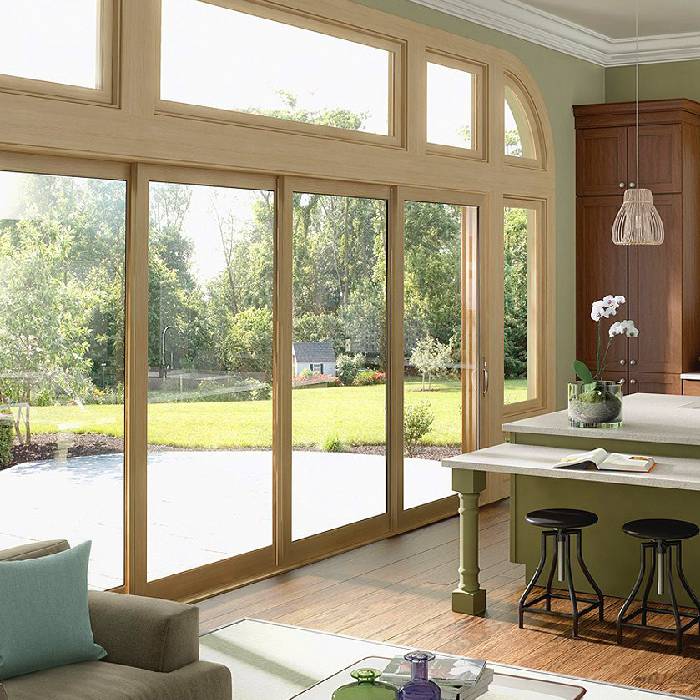
Entry doors are the statement piece of any home, averaging $4,000–$8,000 with no real upper ceiling depending on materials and design. Sliding patio doors — the workhorse of the Southern California home — average $2,500–$4,500 and see the most daily use of any door in the house. French doors (what Duncan calls “snobby patio doors”) run $5,000–$7,000 installed. Bifold and multi-slide doors, which create the coveted indoor-outdoor flow, average $7,000–$15,000 and up. Interior doors offer the widest range: $350–$1,500 depending on material, finish, hardware, and whether you go hollow-core or solid-core.
Materials: What You’re Paying For
Window and door material affects both upfront cost and long-term value. Aluminum is the most cost-effective starting point, followed by vinyl — the most common and durable option for most Southern California homes. Fiberglass comes next, offering the look of wood with zero maintenance. Composite and Fibrex are premium options, though not always worth the premium depending on your climate and situation. Wood is the wild card: it can be budget-friendly or among the most expensive products on the market, and requires ongoing maintenance. The most expensive material isn’t always the best fit — talk to your specialist about what makes sense for your specific home.
Labor: The Variables That Move the Number
All the installed prices discussed in this episode already include labor — but understanding what drives labor costs helps you budget accurately. Location matters: second- and third-story windows require significantly more time and skill. Size matters: a 16-foot multi-slide door involves far more labor than a 6-foot patio door. Wall depth matters: larger openings require deeper pocket framing. And trim matters: standard casing is quick; custom stain-grade carpentry takes real time and real skill. There are no shortcuts worth taking on labor.
Structural Costs: Where Big Dreams Get Expensive
Going wider — especially for bifold or multi-slide doors — often means structural changes. Removing or extending a header requires architectural drawings, structural engineering, building department approval, and seismic tie-downs per California building code. Bay and bow windows require building a roof or framing above and below the opening. These changes can cascade into drywall, stucco repair, flooring impact, and painting. The bottom line: beauty isn’t cheap, but for the right project, it’s absolutely worth it.
Finishing Touches: The Difference Between Done and Spectacular
The finishing work is where a good installation becomes a great one. Trim and casing — especially stain-grade — require skilled carpentry and add meaningful cost. Paint-grade products allow for minor corrections; stain-grade leaves no room for error. Stucco repair, drywall patching, and painting are often necessary after structural changes. Hardware for entry doors alone can range from $100 to $8,000 depending on what you choose. A professional company that walks you through finishing details is one that’s actually committed to the final result.
How much does it cost to replace windows in Southern California? Installed costs vary by window type. Horizontal sliders — the most common — average $700–$1,200. Casements run $700–$1,400, picture windows $500–$1,000, garden windows $4,000–$5,000, and bay or bow windows $5,000–$7,000. All prices include installation.
What is the most cost-effective door material? For patio doors, vinyl is the most cost-effective and longest-lasting option for most Southern California homes. For entry doors, the answer depends on your goals — steel and fiberglass both outperform wood on durability and long-term cost, even if wood can have a lower upfront price point.
Does a better warranty make windows and doors more expensive? Not necessarily — but warranty coverage matters more than price. Some expensive windows carry poor warranties. The critical detail is whether the warranty covers both parts AND labor. A parts-only warranty can cost you significantly more down the road when labor to install replacement parts isn’t covered.
What makes a window or door project more expensive than expected? The biggest cost drivers beyond the product itself are: upper-floor installation, going wider (which triggers structural engineering and permits), custom stain-grade trim work, and finishing costs like stucco repair, drywall, and premium hardware. A thorough specialist will walk you through all of these before the project starts.
📄 Full Episode Transcript — Click to Expand
Worried you don’t have the budget for your window and door replacement and don’t know where to start? Today we’re breaking down the cost, style, types, and workflows for replacing your windows and doors.
Welcome to Stay Glassy, Episode 11. I’m Maria and I’m Duncan. We’re your go-to pros from Newman Windows and Doors and Newman Garage Doors, helping you make smart, stylish, and safe choices for your home. Today we’re talking all the details of replacing your windows and doors — costs, timeframes, finishing touches, all of it.
Glazed and Confused: Homeowner Q&A
Q: Does it cost extra to haul away my old windows and doors?
It depends. With a professional window company like Newman, removal and haul-away is included in the project price. If you’re working with a general contractor or doing part of the work yourself, ask specifically — don’t assume it’s included. For larger jobs, dumpster rental or dump runs add meaningful cost, and old single-pane windows with fragile glass require careful handling.
Q: What door materials are the most cost effective?
For entry doors, the three main materials are steel, fiberglass, and wood. Steel is beautiful and durable. Fiberglass is mid-range in price, looks like wood, comes in thousands of options, and requires zero maintenance. Wood varies enormously — from budget-friendly to extremely expensive — and requires ongoing upkeep. “Cost effective” depends on whether you’re measuring initial cost or long-term value. For patio doors, vinyl is the most common and most cost-effective material that will last a lifetime. Fiberglass is preferred for hinged French doors due to its rigidity and durability.
Q: Does a good warranty make a window or door more expensive?
Not necessarily — some of the most expensive windows have the worst warranties. What matters most is whether the warranty covers both parts AND labor. A parts-only warranty leaves you paying out-of-pocket for the labor to install replacement components, which is typically the most expensive part of any service call. Always ask specifically what your warranty covers before you buy.
Section 1: Window and Door Types — Installed Costs
Windows (installed prices):
- Horizontal Slider — $700–$1,200 (most common in Southern California)
- Single Hung — $750–$1,000
- Casement — $700–$1,400
- Bay and Bow — $5,000–$7,000
- Garden Window — $4,000–$5,000
- Picture Window — $500–$1,000
Doors (installed prices):
- Entry Door — $4,000–$8,000+ (no real upper limit)
- Sliding Patio Door — $2,500–$4,500 (most commonly used door; Southern California homes use sliding doors approximately 40 times per day)
- French Doors — $5,000–$7,000
- Bifold / Multi-Slide Doors — $7,000–$15,000+
- Interior Doors — $350–$1,500
Section 2: Materials — Least to Most Expensive
Window and door materials ranked from most to least cost-effective:
- Aluminum — Most affordable baseline; some premium aluminum manufacturers are exceptions
- Vinyl — Most common, durable, energy efficient, available in color options
- Fiberglass — Looks like wood, operates like wood, zero maintenance
- Composite / Fibrex — Premium price point; not always the best value for Southern California climates
- Wood — Wild card; available at every price level from entry-level to the most expensive windows on the market
The most expensive material isn’t always the best choice. Work with your specialist to match material to your climate, budget, and goals.
Section 3: Labor Cost Variables
The installed prices above include standard labor, but the following variables can increase labor costs:
- Location — Second, third, or higher-story installations require more time and greater skill
- Size — Larger doors and windows take more time; multi-panel systems significantly more so
- Wall depth — Large bifold and multi-slide doors require deep pocket framing (14–24 inches) vs. standard 2×4 walls
- Trim complexity — Standard casing averages about one hour per window; custom stain-grade carpentry adds significant time
Section 4: Structural Costs
Going wider — particularly for bifold or multi-slide doors — often requires structural changes that go well beyond the door itself. A larger opening requires a new, appropriately sized header. This triggers architectural drawings, structural engineering, building department approval, and seismic tie-downs per current California building code. Bay and bow windows require building a roof or framing above and below the opening. Secondary costs include drywall, stucco repair, texture, painting, and potential flooring impact. Structural projects can grow significantly in scope — know this going in.
Section 5: Finishing Costs
Finishing work is what separates a completed installation from a spectacular one:
- Trim and casing — Skilled finish carpentry; stain-grade work requires perfection and commands a premium
- Paint vs. stain — Paint-grade allows minor corrections with caulk; stain-grade does not
- Stucco and drywall repair — Often required after structural changes or larger installations
- Hardware — Entry door hardware ranges from $100 to $8,000 depending on style and quality
A professional company that discusses finishing details upfront is one that’s committed to the final result — not just getting the windows and doors in the opening.
Safety with Savvy
This episode’s safety segment featured a video of a door installed back-to-front — a complete installation error that requires the entire job to be redone. Beyond the double labor cost, a door installed in reverse presents a serious security risk: the hinge pins are exposed on the exterior, meaning the door can be removed from outside the home with minimal effort. This is a reminder that installation quality matters as much as product quality. Always work with certified, experienced installers.
Key Takeaway
Be aware of the things that make your project more expensive — not so you can avoid them, but so you can choose where your money goes intentionally. The right upgrades, done by the right people with the right finishes, will make you happier every time you pull up to your home. Work with a specialist who walks you through all of it, start to finish.
Next episode (Episode 12): Do new windows and doors actually increase the value of your home? Find out at newmanwindows.com/stay-glassy.